
Viking Blog
Norse Funeral – 7 Powerful Rituals That Honor Viking Warriors
Nov
The Vikings lived with fierce determination, and they died with equal intensity. A Norse funeral was not a farewell—it was a sacred passage from the mortal world to the realm of the gods. These ceremonies combined fire, sacrifice, song, and symbols. They helped warriors reach Valhalla or other afterlife realms with honor and strength.
Here are seven key rituals that shaped Norse funerals. They show how Vikings honored death as a new journey.
1. The Funeral Ship – A Voyage to Valhalla
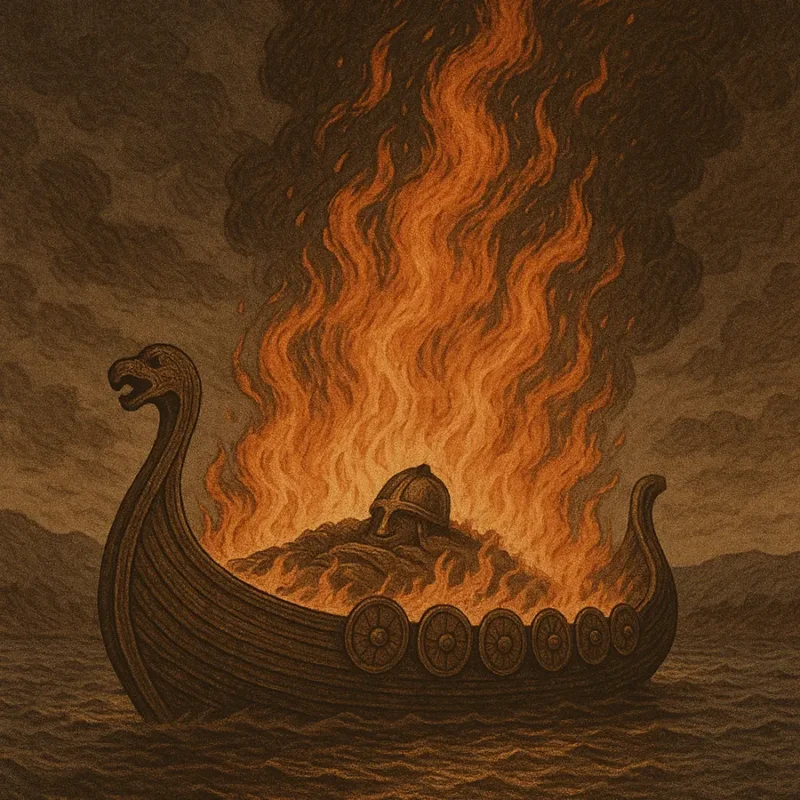
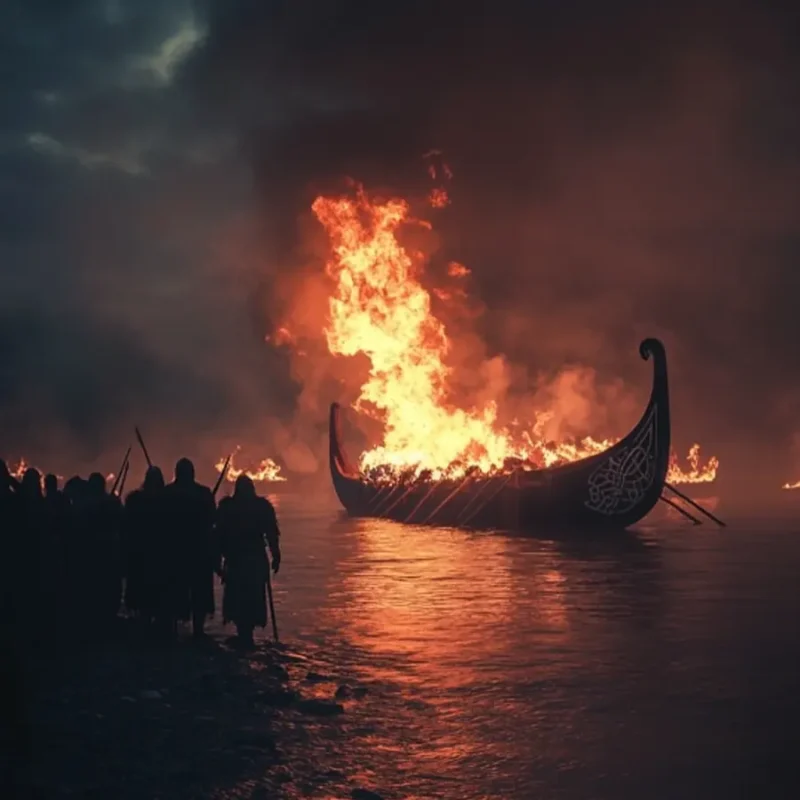
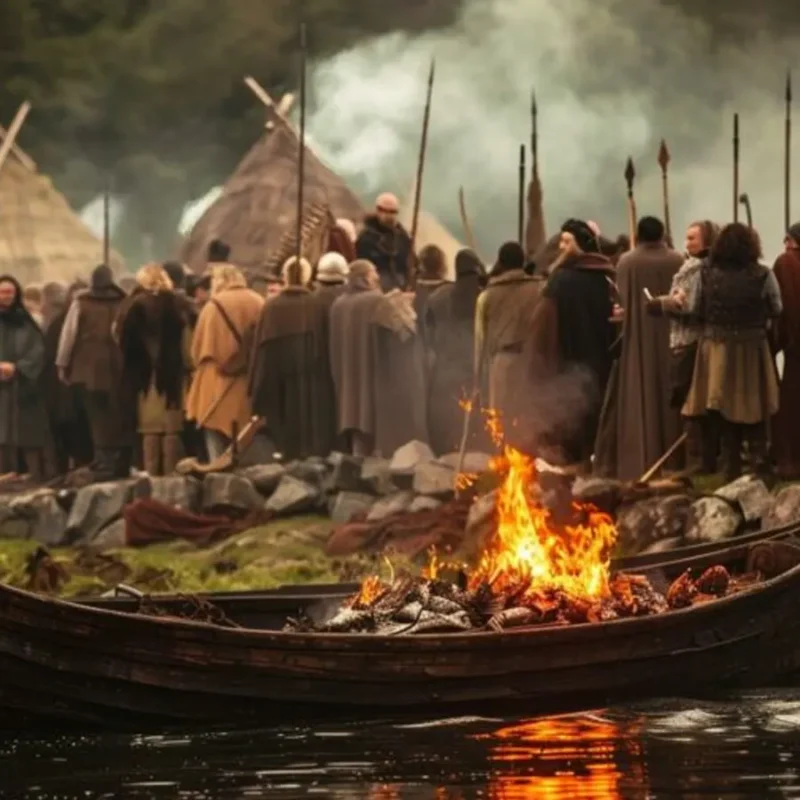
The most famous Norse funeral tradition was the ship burial. A boat or ship laid a warrior’s body, surrounding it with weapons, tools, and treasures to aid him in the afterlife.
Sometimes the ship was set ablaze and pushed into the sea, symbolizing the soul’s journey toward the gods. Other times, they buried it beneath the earth or stones, creating a mound that resembled a ship’s shape. This ritual reflected the Viking belief that death was not an end, but a voyage home.
2. The Burning Pyre – Flames of Transformation
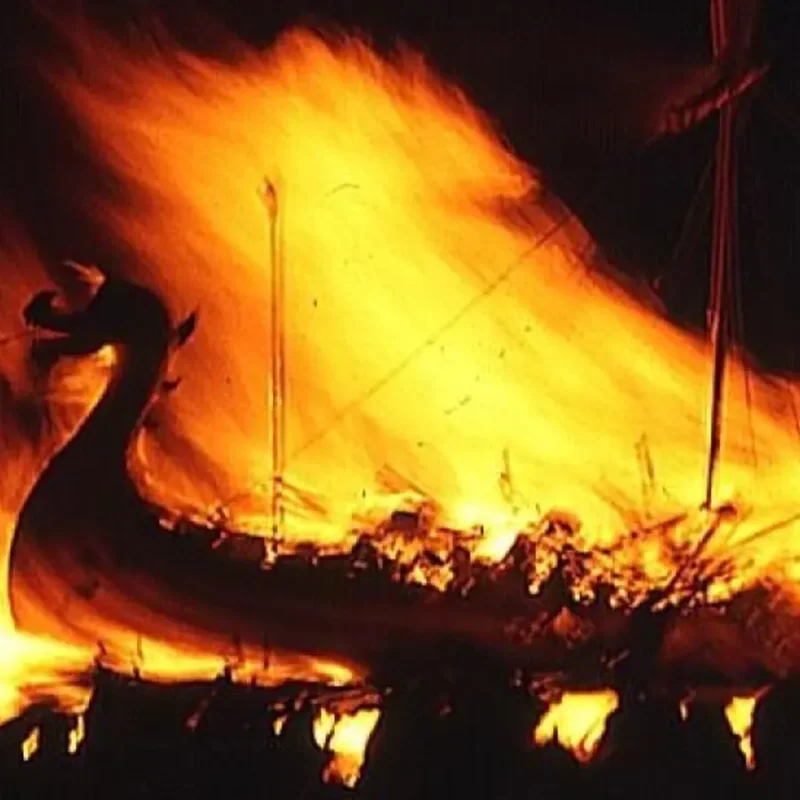
In many Norse funerals, cremation was a central act. The burning pyre represented purification and transformation. Fire released the spirit from its earthly form and guided it toward the next world with a gentle touch.
Ashes were often gathered and buried in urns or under standing stones. The funeral fire’s light guided the warrior along the dark path between worlds.
3. Weapons, Armor, and Possessions for the Afterlife
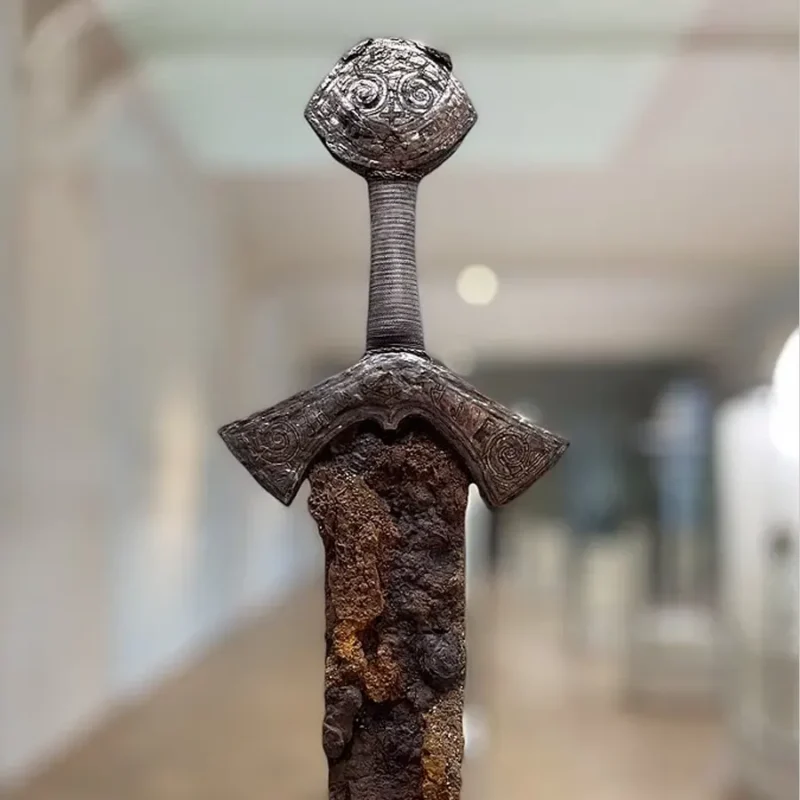
A true Norse funeral featured the warrior’s items. These included swords, shields, helmets, jewelry, and even food. These items had both symbolic and practical roles. They showed honor and equipped the deceased for battles or feasts in Valhalla.
The more valuable the grave goods, the higher the social rank of the departed. Viking burials like Oseberg and Gokstad show how well they prepared for death.
4. The Role of Animals and Sacrifice
Some historical accounts suggest that people sacrificed animals at Norse funerals. Sometimes, they even sacrificed slaves or servants. They did this to help their masters reach the afterlife. Horses, dogs, and falcons were common offerings, symbolizing loyalty and companionship.
Though grim today, this practice showed the Viking belief in continuity. They thought life and service went on after death.
5. The Ritual of Mourning and Feasting
A Norse funeral was both solemn and celebratory. Family and friends came together to remember the fallen. They sang songs, shared stories, and enjoyed ale. These feasts honored the dead and strengthened ties among the living.
Skalds (Viking poets) composed verses praising the warriors’ courage and deeds. Through words and music, they kept the names of the departed alive for generations.
6. Burial Mounds and Stone Markers
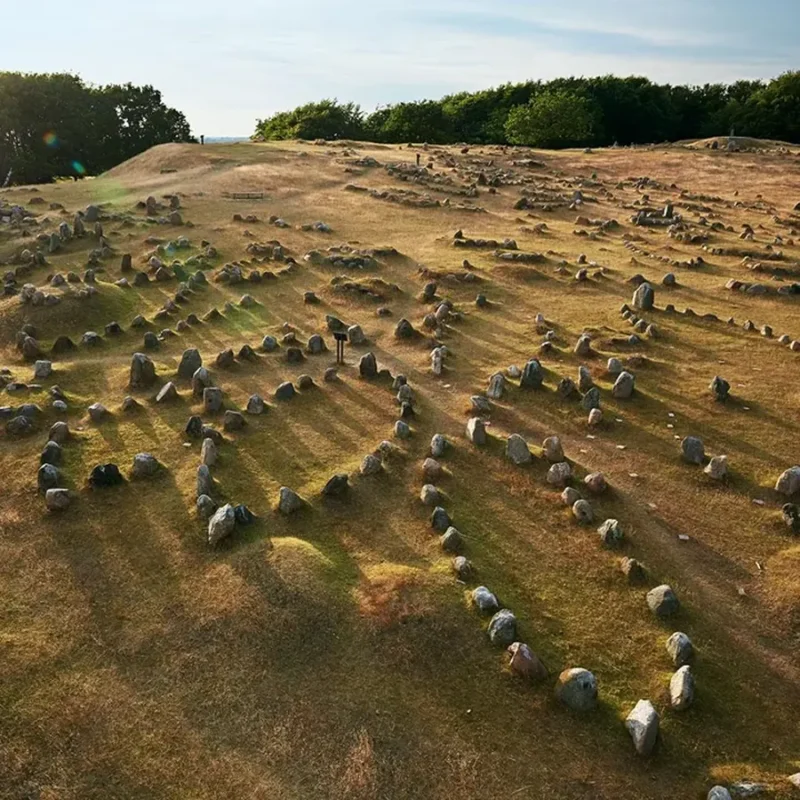
Not all Norse funerals involved ships. Many mounds or stone circles buried the Vikings. They often chose high spots that overlooked fjords or fields. The mounds acted as spiritual markers. People thought they linked the world of men to the spirit realm.
These sites became sacred. They are places for remembrance, prayer, and seasonal offerings to honor ancestors. The size of a burial mound often reflects a person’s wealth and legacy.
7. The Journey to Valhalla or Hel
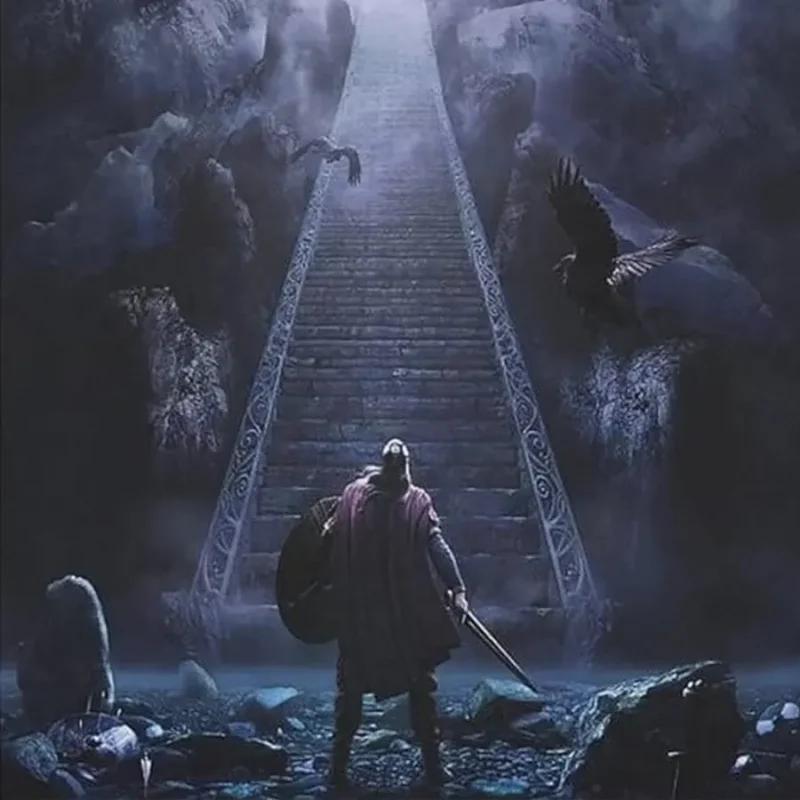
Belief in the afterlife shaped every Norse funeral. The Valkyries took warriors who died in battle with great courage to Valhalla. There, in Odin’s hall, they feasted and trained until Ragnarök.
Those who died of natural causes might journey to Hel, ruled by the goddess of the same name. Both realms were key to Norse cosmology. They showed that death was not a punishment but a transformation. It was a way to continue existing in another form.
The Meaning Behind Norse Funerals
A Norse funeral was about more than grief. It showed respect, honor, and a belief in destiny. Vikings viewed death as a sacred transition rather than an ending. Each ritual, like the burning ship and the final feast, showed their courage and bond with the divine.
These customs gave the living strength. They remembered that each warrior’s life and death added to their people’s ongoing story.
Why Norse Funerals Still Inspire Today
Today, Norse funerals attract people. They offer strong emotions and rich symbols. Embracing death with courage is powerful. Celebrating life through ritual is important in reunions beyond the grave. This idea still holds true.
Reenactments, art, and literature often show Viking funerals. They highlight their beauty and significance. They connect history and myth. They link what we know to what we imagine about the Viking soul.
Conclusion – The Legacy of the Norse Funeral
Norse funerals are strong symbols of faith and honor. They range from blazing ships to sacred mounds. They unite communities, family, and gods in a single act of remembrance.
It was more than a death ritual; it was a celebration of life. It promised that courage, loyalty, and legacy would live on after the body. The Viking spirit lives on, carried by fire and song. It reminds us that there is glory, even in death.