
Viking Blog
Norse Mythology Beasts – 9 Terrifying Creatures That Shaped Viking Legends
Feb
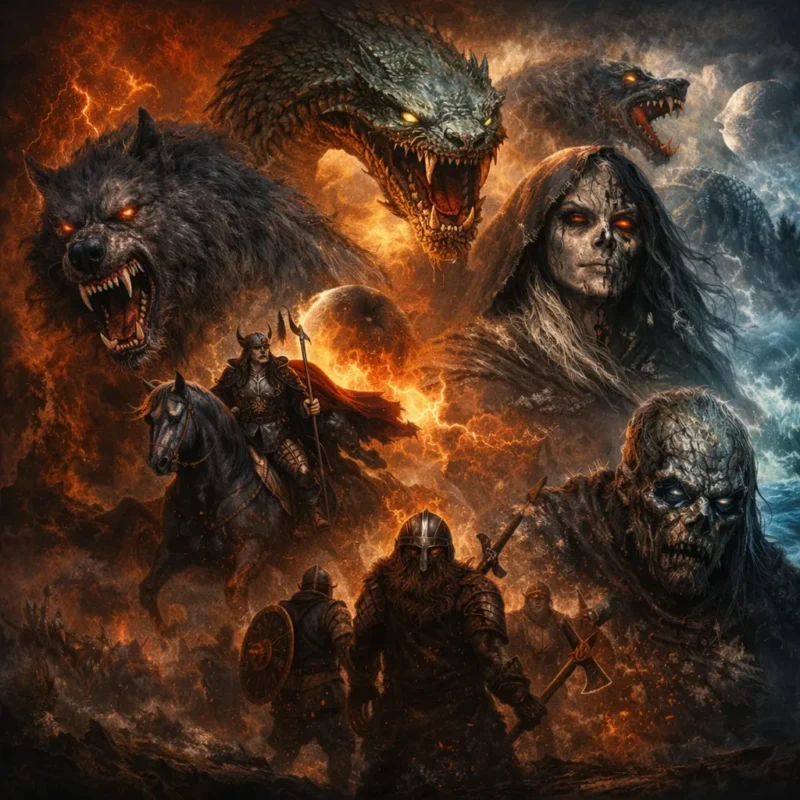
Norse mythology is remembered for its gods, warriors, and the cataclysmic prophecy of Ragnarok. Yet beneath the grandeur of Odin and the thunder of Thor lies something darker—the legendary Norse mythology beasts that embodied chaos, destruction, and cosmic imbalance.
These creatures were not random monsters placed into stories for shock value. They were fundamental to the Norse worldview. In a land defined by brutal winters and violent seas, the Vikings saw nature itself as powerful, unpredictable, and often merciless. The tales of Norse mythology beasts reflected that reality.
To understand them properly, we must group them by origin and role—because in Norse myth, structure matters.
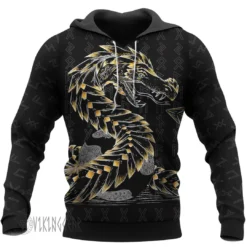
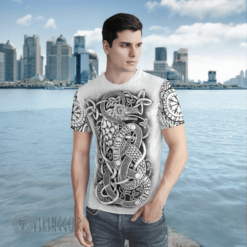
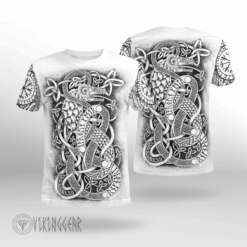
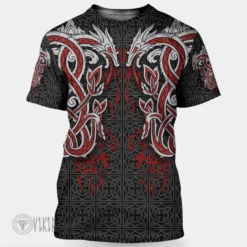

Norse Mythology Beasts Born from Loki
Some of the most powerful and terrifying Norse mythology beasts share a common origin: Loki and the giantess Angrboda. These three offspring were destined to challenge the gods themselves.
1. Fenrir – The Wolf of Ragnarok
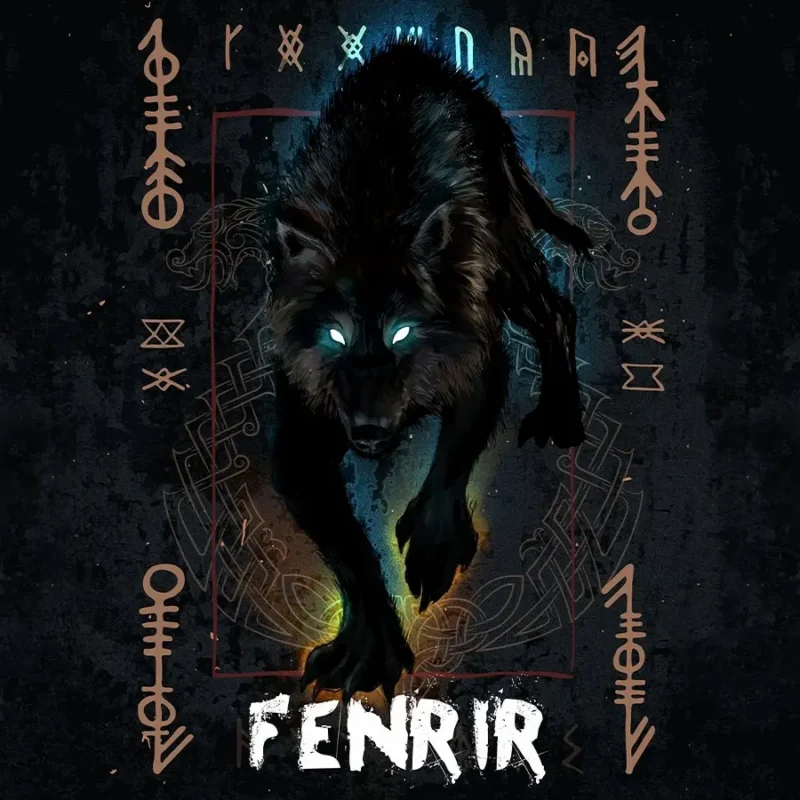
Fenrir is perhaps the most feared among all Norse mythology beasts.
From the moment of his birth, prophecy surrounded him. The gods learned that Fenrir would one day kill Odin during Ragnarok. Attempting to prevent this fate, they bound him with magical chains. After breaking several restraints, Fenrir was finally imprisoned using Gleipnir—a ribbon forged from impossible elements.
But fate in Norse myth cannot be denied. At Ragnarok, Fenrir breaks free and devours Odin before being slain in return. He represents unstoppable destiny—the kind even gods cannot escape.
2. Jörmungandr – The World Serpent

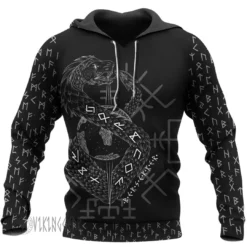
Jörmungandr, also a child of Loki, was cast into the ocean by Odin. There he grew so immense that he encircled Midgard, biting his own tail.
Among Norse mythology beasts, Jörmungandr symbolizes cosmic tension. His rivalry with Thor defines several myths. During Ragnarok, Thor slays the serpent but walks only nine steps before succumbing to its venom.
This mutual destruction captures a core Norse theme: victory is never without cost.
3. Hel – Ruler of the Underworld
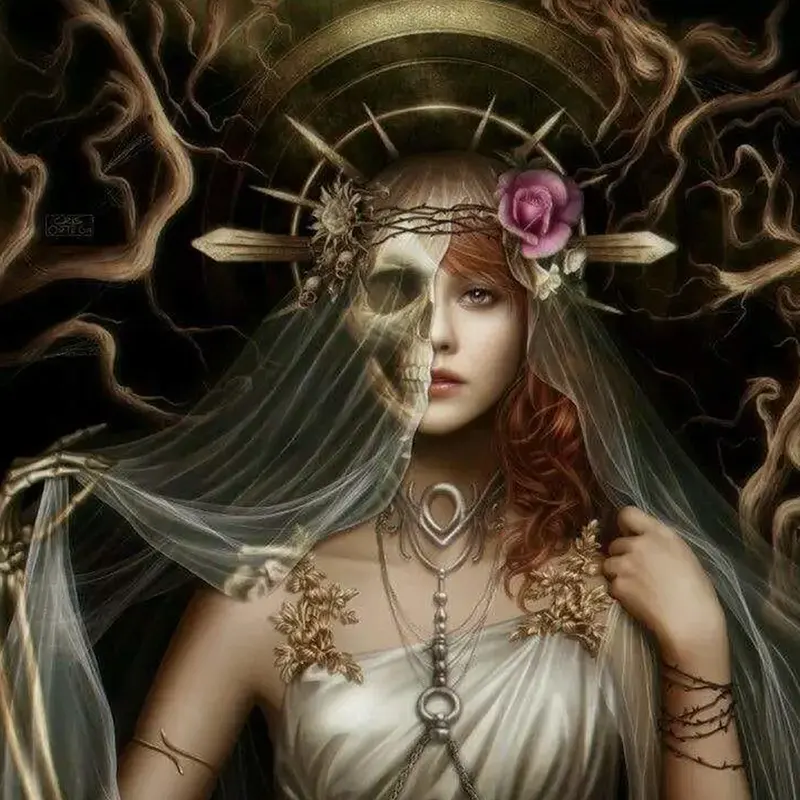
The third of Loki’s monstrous children is Hel, sovereign of Helheim. Half alive and half corpse, she governs those who die outside of battle.
While not a beast in physical form, she is often included among Norse mythology beasts because of her grim nature and mythological function. Hel represents the unavoidable reality of death—the fate that awaits most mortals.
Together, these three figures form the most infamous bloodline in Norse myth.
Norse Mythology Beasts of the Underworld and the Roots
Not all Norse mythology beasts are born from Loki. Some dwell in the hidden foundations of the cosmos itself.
4. Garmr – The Hound of Hel
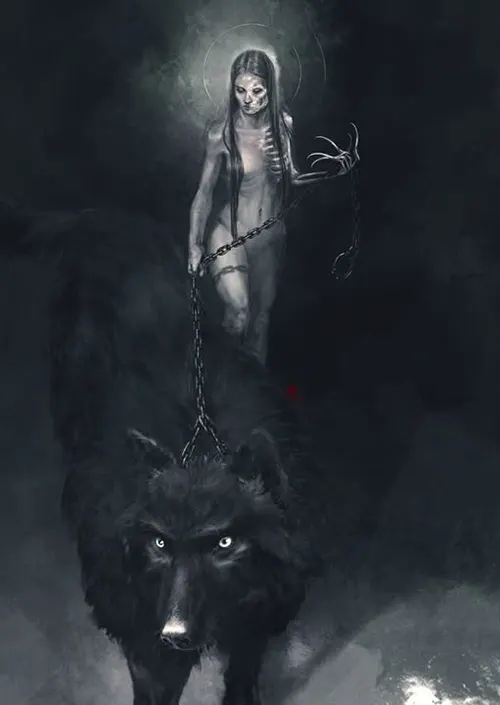
Garmr guards the entrance to Helheim. Bound in chains until Ragnarok, he eventually breaks free and battles the god Tyr. Both are destined to die.
Garmr echoes Fenrir in symbolism—restrained chaos waiting for its appointed time.
5. Níðhöggr – The Dragon Beneath Yggdrasil
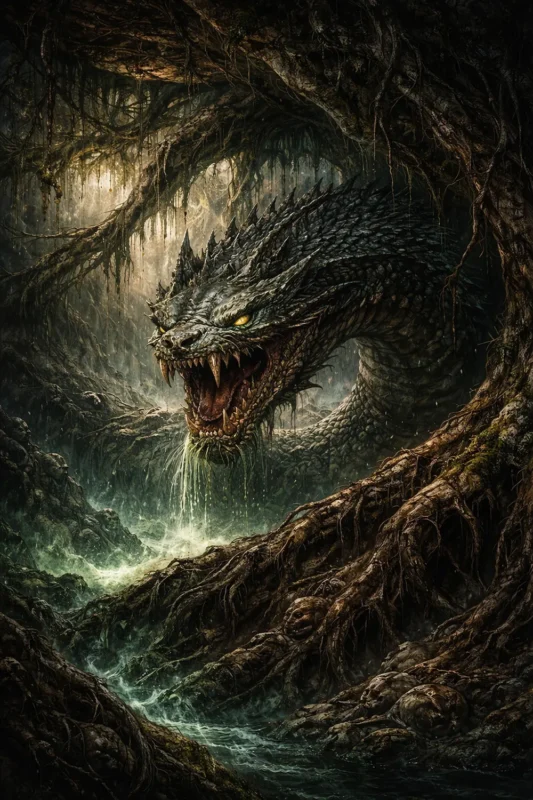
Beneath Yggdrasil, the World Tree, Níðhöggr gnaws endlessly at its roots. Feeding on corpses and spreading decay, this dragon represents entropy.
Among Norse mythology beasts, Níðhöggr symbolizes slow, inevitable corruption. While Ragnarok is explosive, Níðhöggr reminds us that destruction can also be gradual and constant.
Norse Mythology Beasts of the Sky and Sea
The cosmos in Norse belief was alive with motion. Even the heavens and oceans were shaped by terrifying forces.
6. Sköll and Hati – Wolves of the Sky
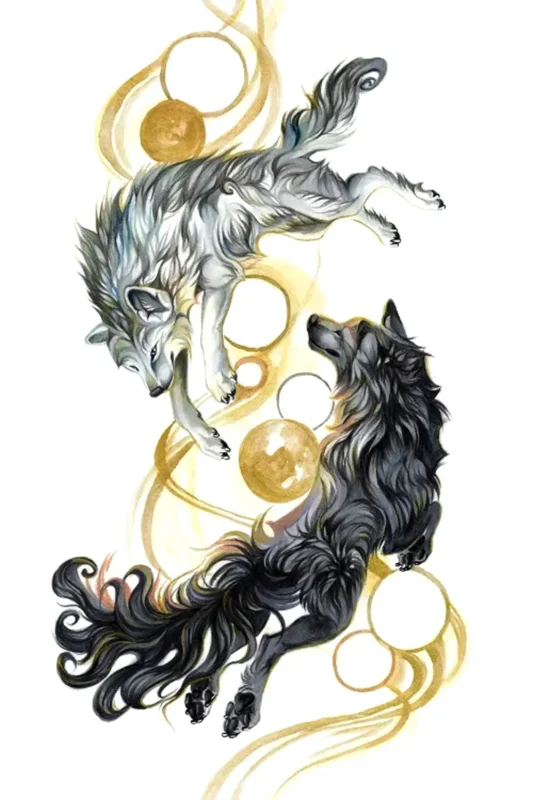
These twin wolves chase the sun and moon across the heavens. At Ragnarok, they finally catch their prey, plunging the world into darkness.
Through them, Norse mythology beasts become explanations for celestial phenomena such as eclipses.
7. The Kraken – Terror of the Northern Seas

Though more prominent in later Scandinavian lore, the Kraken fits seamlessly into the tradition of Norse mythology beasts.
This colossal sea creature was believed to drag ships beneath the waves. For Viking sailors, the sea was both opportunity and danger. The Kraken transformed real maritime fear into legendary horror.
Norse Mythology Beasts Among the Restless Dead
Some of the most unsettling Norse mythology beasts walk among humans.
8. Draugr – The Undead Guardian

The Draugr is a reanimated corpse guarding treasure or haunting burial mounds. Unlike mindless undead, Draugr possess intelligence and immense strength.
They reflect cultural fears of dishonor and unresolved conflict after death—an intimate and personal form of horror.
The Supernatural Steed of the Gods
Not all Norse mythology beasts embody destruction.
9. Sleipnir – Odin’s Eight-Legged Horse
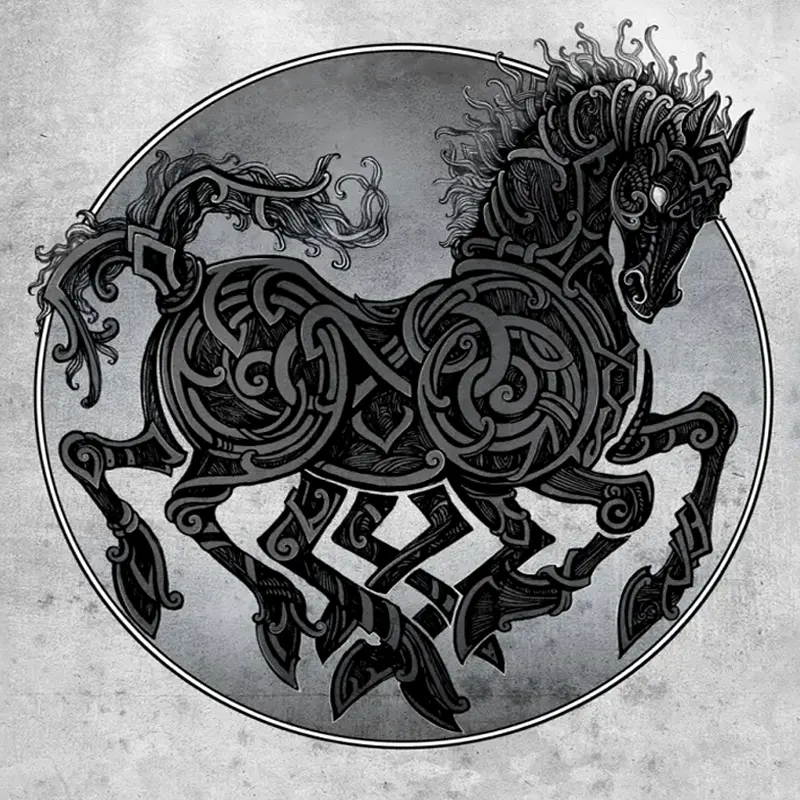
Sleipnir, born from Loki’s shapeshifting, is Odin’s eight-legged horse capable of traveling between realms.
Though not terrifying, Sleipnir represents the mystical and otherworldly dimension of Norse belief. His existence reminds us that Norse mythology beasts were not solely forces of chaos—they were also symbols of supernatural power.
Why Norse Mythology Beasts Still Matter
The enduring fascination with Norse mythology beasts lies in their philosophical depth. They are not merely monsters. They represent fate, entropy, natural power, mortality, and cosmic balance.
In Norse myth, even gods must face destruction. That idea continues to resonate in modern storytelling, from films to literature to art.
Ultimately, Norse mythology beasts teach a distinctly Viking lesson: doom is certain, but honor lies in facing it without fear.
From Fenrir’s jaws to the coils of Jörmungandr, these creatures shaped the legends of the North—and their shadows still linger in our imagination today.