
Viking Blog
Viking Armor – 7 Powerful Types That Protect Norse Warriors

Dec
People remember Vikings as brave warriors. They were raiders, explorers, and conquerors who changed medieval Europe. Yet behind their courage stood practical craftsmanship. The designers created the Viking armor not for show, but for survival. It offered protection, mobility, and simplicity. This made it ideal for the tough life in the North.
Viking armor was different from the heavy suits of later knights. It was lightweight, designed for warriors who fought with speed on land and sea. Here are seven robust armor types that defended Norse warriors in their epic era of conquest.
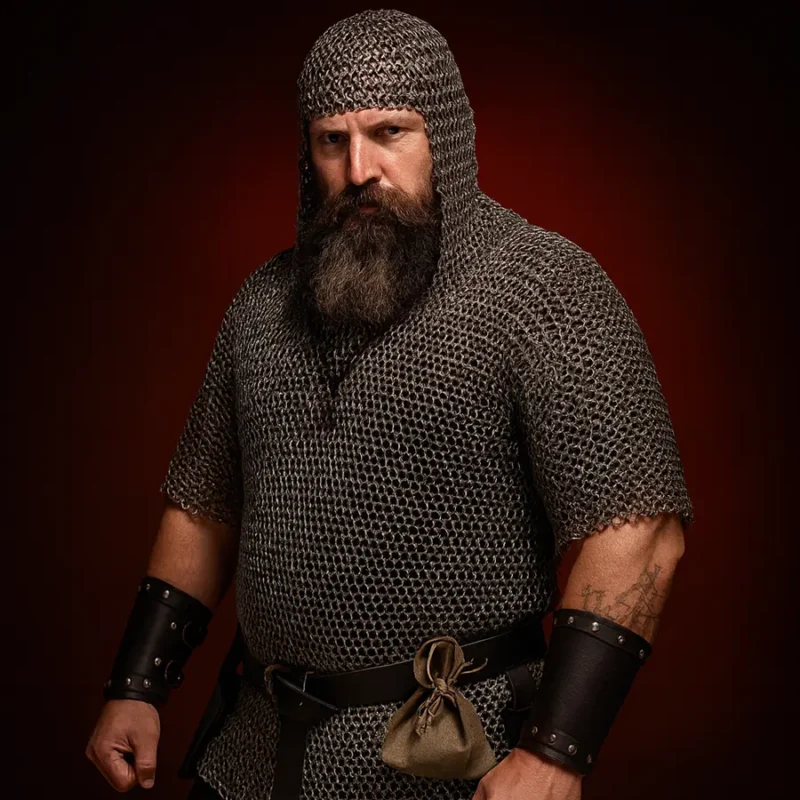
1. Chainmail – The Elite Warrior’s Protection
The most prestigious form of Viking armor was chainmail, known as byrnie. Made from thousands of interlinked iron rings, it was strong yet flexible. Chainmail soaked up sword strikes and bounced off arrows. It offered the wearer vital protection while allowing free movement.
Only nobles or seasoned warriors could afford it because it was costly and took a lot of time to make. The Gjermundbu find in Norway is the only complete Viking armor found. It includes a chainmail shirt, showing it belonged to the elite.
2. Leather Armor – The Common Fighter’s Shield
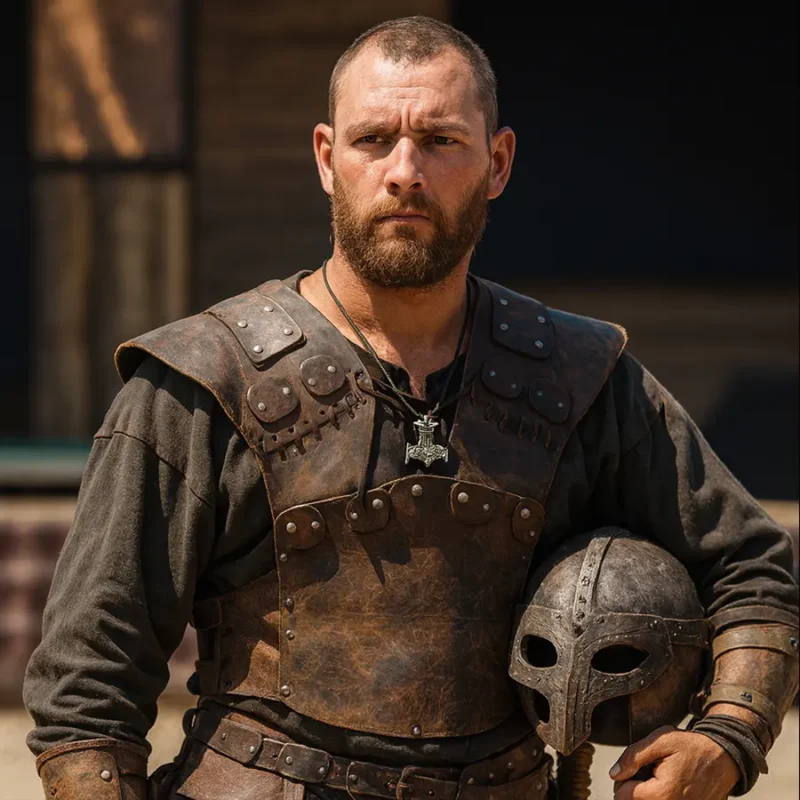
Most Viking warriors couldn’t afford metal armor. Instead, they wore thick, hardened leather reinforced with layers of linen or felt. This Viking armor provided good protection against light weapons. It also allowed quick, agile movement, making it perfect for raids.
Leather was easy to maintain and suited the Viking climate. Warriors decorated their armor with carved patterns and fur trims. This showed their pride and served a purpose.
3. Lamellar Armor – The Influence from the East
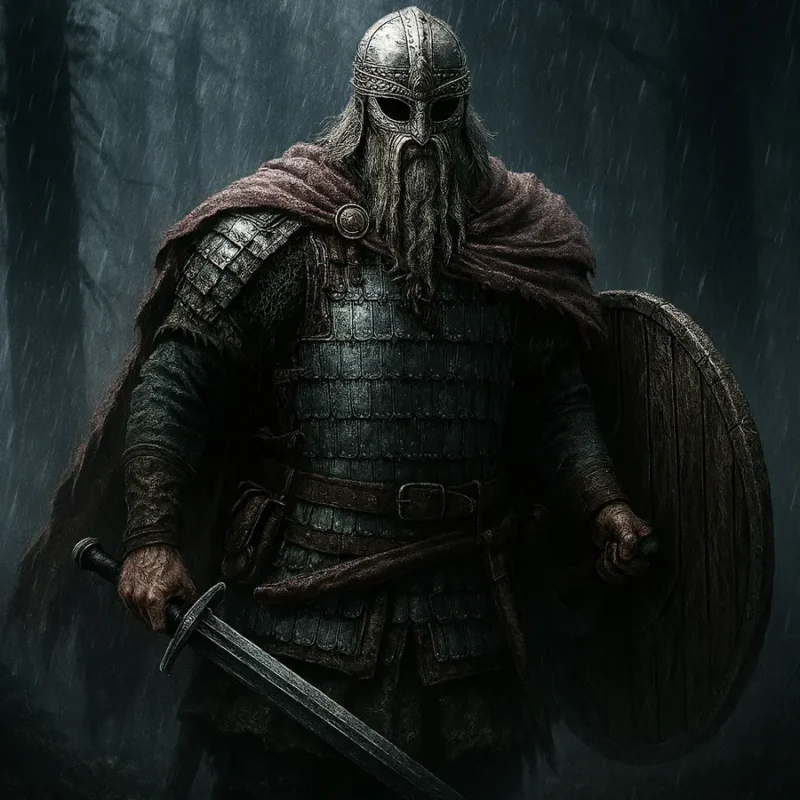
Viking traders and mercenaries traveled through Eastern Europe and the Byzantine Empire. There, they found lamellar armor. This armor consists of rows of small metal plates laced together. This design had a profound impact on Norse craftsmanship.
Lamellar Viking armor provided strong defense while remaining lighter than full chain mail. It was especially popular among the Varangian Guard. They were Viking warriors and elite bodyguards in Byzantium.
4. The Shield – The Core of Viking Defense
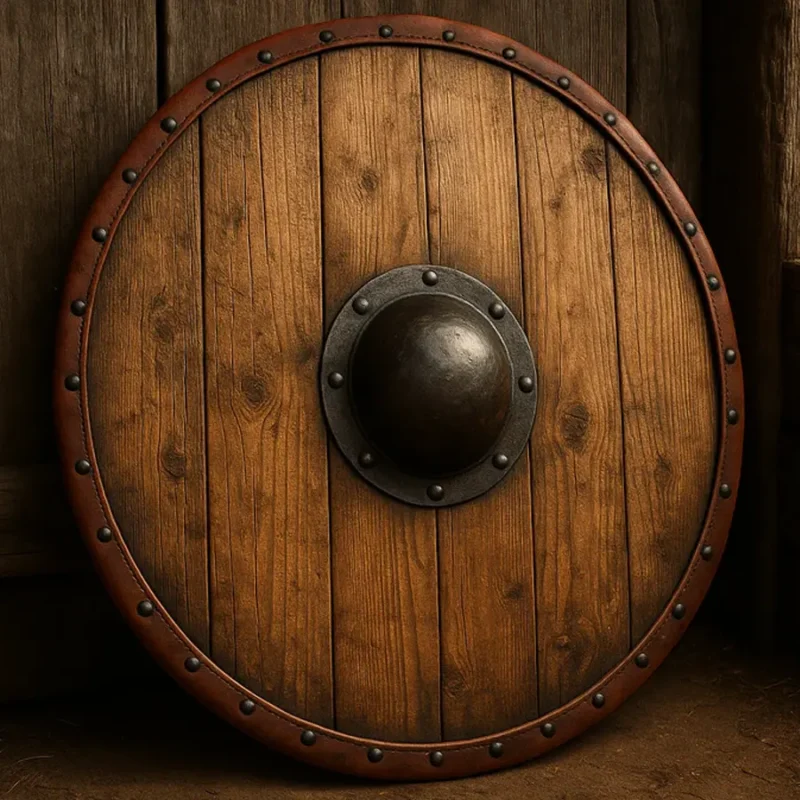
No piece of Viking armor was more iconic or essential than the shield. Round, wooden, and painted with clan symbols, it was both a weapon and a wall. Shields blocked arrows, axes, and swords. When used in a shield wall, they formed a barrier that approached impenetrability.
Many shields had an iron boss in the center. This helped them block blows and strike back. A Viking’s shield was not a tool of war but a symbol of loyalty and brotherhood.
5. Helmets – The Warrior’s Crown
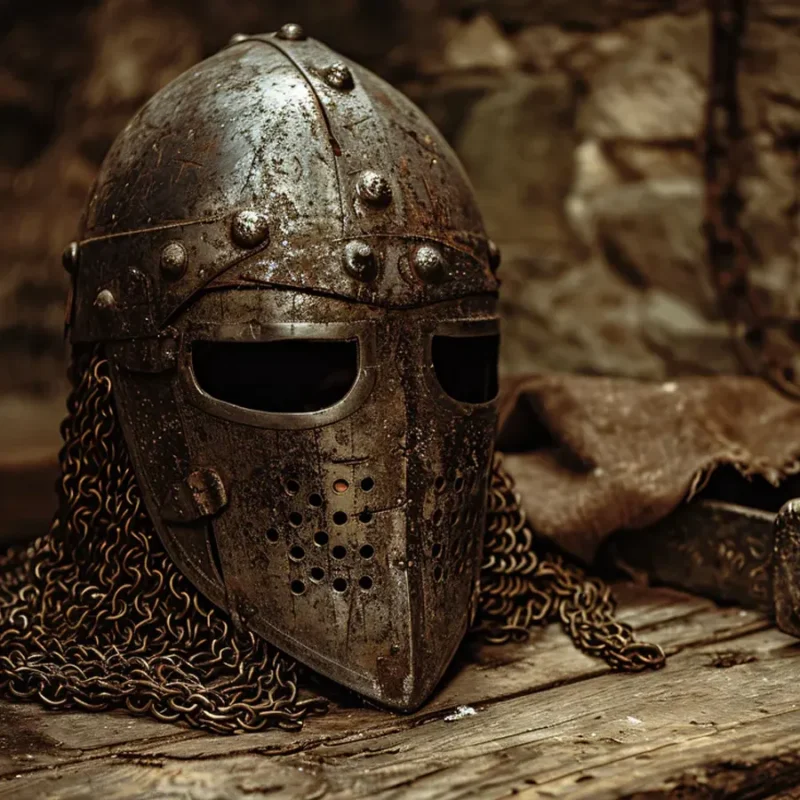
The Viking armor set wouldn’t be complete without a helmet. Despite popular myth, real Viking helmets did not have horns. They were simple, round, and made of iron with a nose guard for facial protection.
The Gjermundbu helmet is a 10th-century find. It’s the best example of real Viking headgear. It provides effective defense while remaining light enough for long raids. Helmets were often passed down through generations, symbolizing strength and heritage.
6. Gambeson – The Hidden Layer of Defense
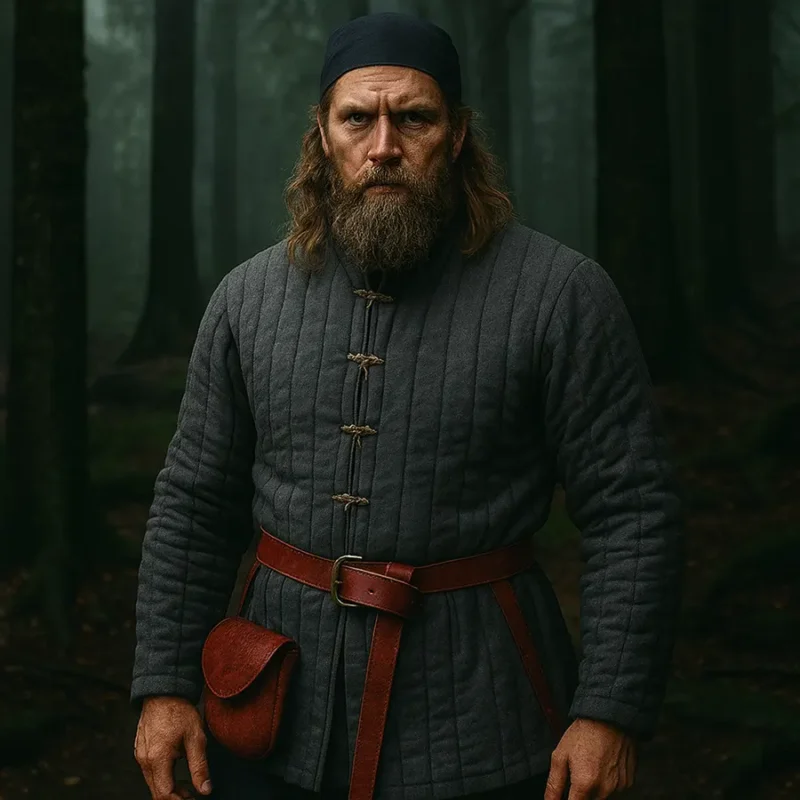
Under every form of Viking armor, warriors wore a padded tunic called a gambeson. Made of quilted linen or wool, it soaked up impact. This design helped to prevent bruising from weapon strikes.
Even alone, a gambeson offered protection, warmth, and comfort — crucial for long campaigns. It was the hidden champion of Viking battle gear. It offered warmth and protection under iron or leather armor.
7. Cloaks and Furs – Armor Against the Elements
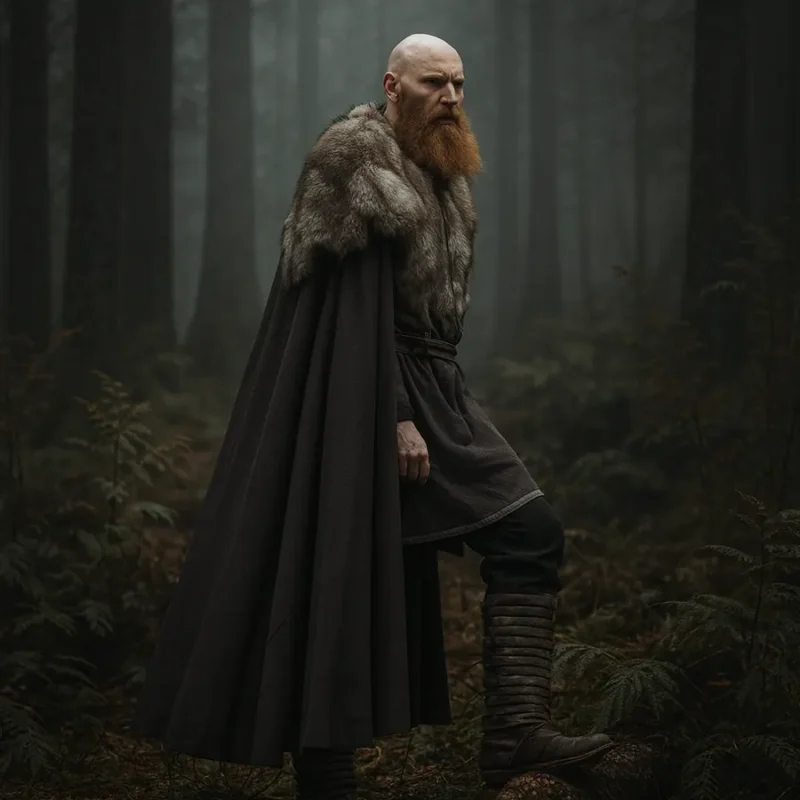
Viking battles weren’t only fought against enemies but also against nature. Thick wool cloaks and fur garments served as a unique type of Viking armor. They protected warriors from wind, snow, and rain.
Artisans often added decorative brooches to these outer layers. They dyed them in earthy tones. They weren’t made for combat, but they were key for endurance. This was especially true during winter raids or sea voyages.
The Craftsmanship Behind Viking Armor
Forging armor in the Viking Age required immense skill. Blacksmiths shaped iron plates, rings, and rivets by hand. Tanners worked on making durable hides. Every piece of Viking armor balanced function and artistry.
Warriors often customized their armor. They added engravings, runes, or small amulets for protection. The Norse believed that courage linked with fate. Their armor also had spiritual meaning.
Why Viking Armor Still Inspires Us
Viking armor is appealing because it balances strength and practicality well. Craftsmen designed it for warriors who prized freedom, speed, and determination above luxury.
Today, reenactors, historians, and artists study and recreate Viking gear. They find its efficiency and symbolic strength appealing. Viking armor appears in movies and museum exhibits. It symbolizes resilience, skill, and the strong Norse spirit.
Conclusion – The Legacy of Viking Armor
Viking armor ranged from the elite’s iron chainmail to a raider’s simple leather tunic. It shielded some of history’s bravest warriors. It wasn’t about fear — it was about survival, strength, and pride.
This armor shows the heart of Viking life: bold, useful, and lasting. Viking armor is still a legendary symbol of the bravery and creativity of the Norse people.