
Viking Blog
Viking Axe Meaning: The Symbol of Strength, Choice, and Personal Power
Jun
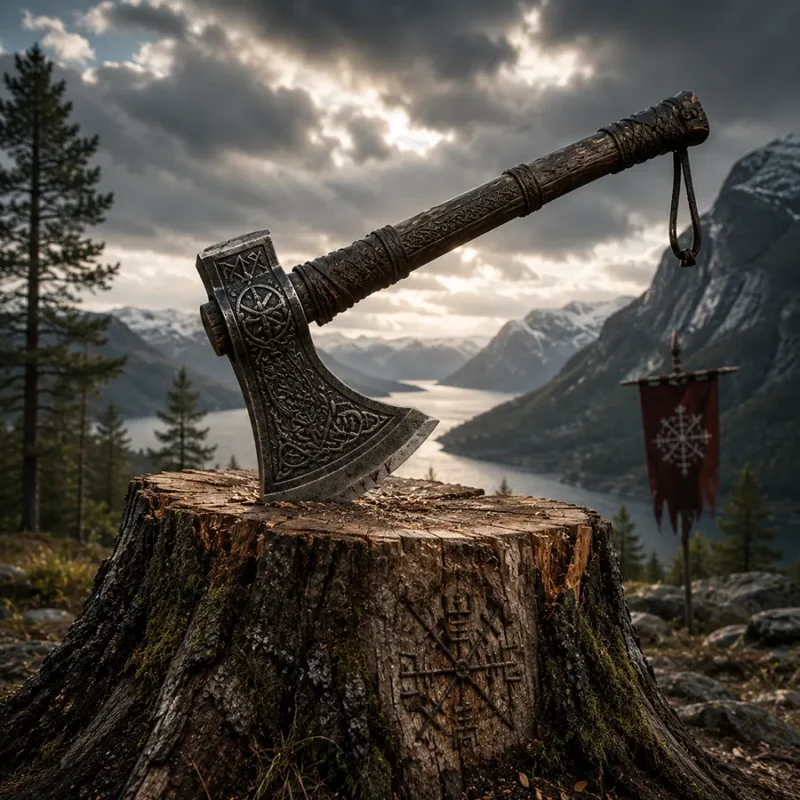
The Viking Age created many strong symbols that still captivate us today. The Viking axe is a well-known symbol of Norse culture. It was not only a weapon for fierce warriors; it also represented a rich heritage. The axe symbolized strength, responsibility, and freedom. It represented the power to shape one’s own destiny.
The Vikings faced a life filled with challenges. Harsh climates, dangerous voyages, and constant uncertainty required resilience and determination. The tools they carried reflected these values, and none was more important than the axe. Today, the Viking axe stands as a powerful symbol. It represents courage, confidence, and empowerment for many.
The Historical Significance of the Viking Axe
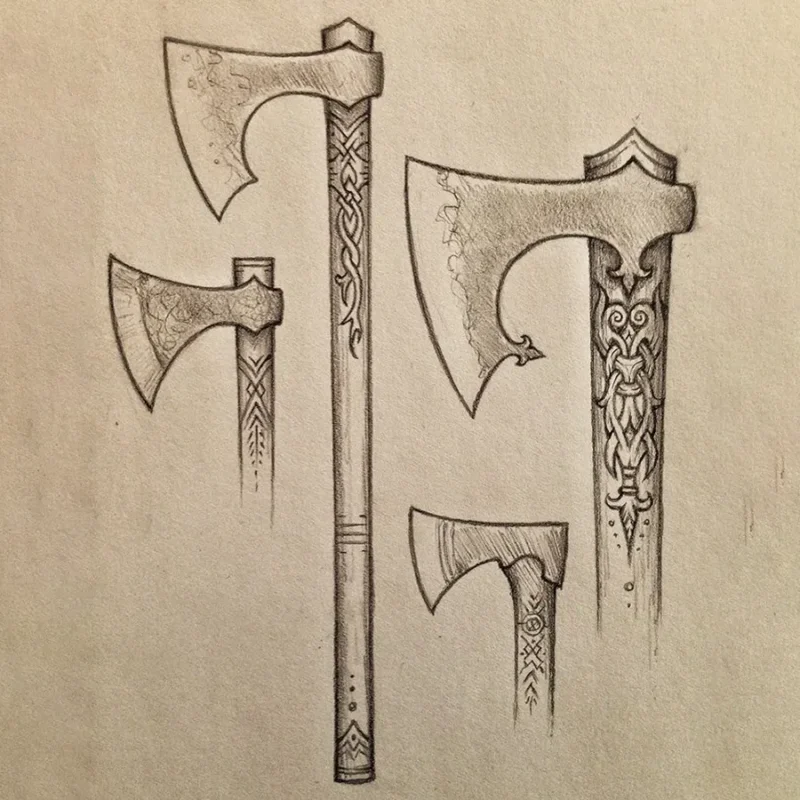
The Viking axe played a central role in everyday Norse life. Axes were practical tools that almost everyone could use. In contrast, swords were costly and designed for wealthy warriors. Farmers, craftsmen, explorers, and warriors all relied on axes for different purposes.
A Viking might use an axe to cut timber, build ships, construct homes, or prepare firewood. During times of conflict, the same tool could become an effective weapon. The axe was key to Viking society. It symbolized self-reliance and versatility.
The Viking axe had practical and military uses. It symbolized a person’s ability to provide, protect, and survive. Owning an axe was about more than having a tool. It showed independence and a willingness to tackle life’s challenges.
The importance of the axe is evident in archaeological discoveries throughout Scandinavia. It also appears prominently in regions influenced by Viking expansion. Skilled artisans crafted and adorned many axes. This suggests these tools held personal and cultural meaning alongside their practical use.
Strength and Courage in Norse Culture

Strength was one of the most admired qualities in Viking society. More than physical power defined strength. Courage, endurance, discipline, and determination held the same level of importance.
The Viking axe symbolized these values. Mastering it needed both skill and confidence. A warrior could not rely on brute force alone. Success depended on timing, precision, and mental focus. As a result, the axe symbolized controlled strength rather than reckless aggression.
This symbolism continues to resonate today. The Viking axe symbolizes true strength. It shows that people grow by overcoming challenges and staying strong in tough times. Life throws challenges our way, testing our strength. The axe symbolizes the need to keep going.
The Norse believed that courage was not the absence of fear but the willingness to act despite it. The axe symbolized the will to push ahead despite uncertainty or danger.
The Power of Choice and Personal Responsibility
One of the deeper meanings associated with the axe is the concept of choice. Every action has consequences, and every decision shapes the future. For the Vikings, personal responsibility was a fundamental part of honor and reputation.
The axe symbolizes this principle because each strike requires intention. Once made, a decision cannot be taken back. Whether cutting wood, crafting a ship, or entering battle, every action carries significance.
The Viking axe thus became a metaphor for personal accountability. It reminded people they could choose their path. It also urged them to accept responsibility for the results.
This lesson remains significant in modern life. Every day, people make choices that influence their careers, relationships, and personal growth. The symbolism of the axe encourages thoughtful decision-making and ownership of one’s actions.
The axe teaches that people should not blame others or circumstances. Instead, true empowerment comes from knowing they can shape their own future.
Why the Viking Axe Represents Personal Power
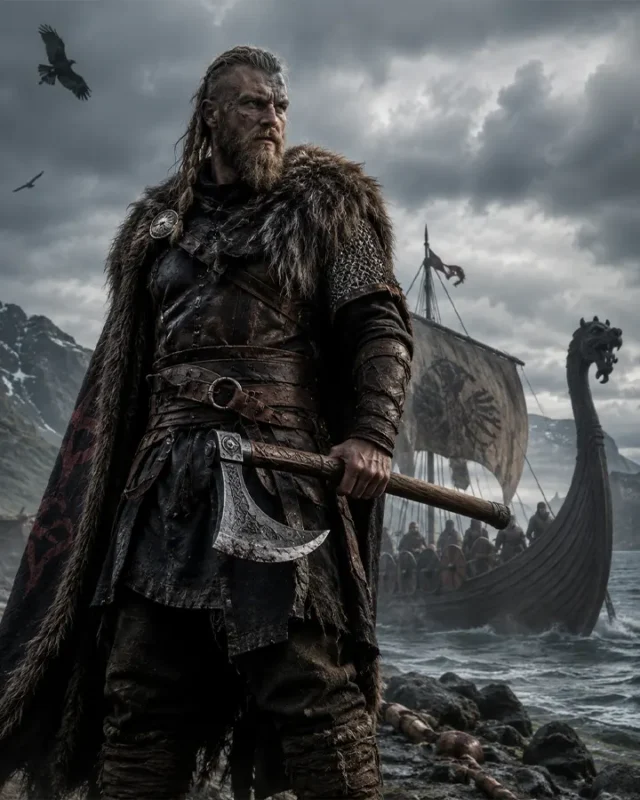
Personal power is one of the strongest symbols of the Viking axe. In Norse culture, power was not about dominating others. It was about mastering yourself. It meant showing confidence in your actions and staying true to your values.
A Viking who carried an axe demonstrated readiness, capability, and self-belief. The tool represented the power to protect those they love. It helped create a better future and face challenges with bravery.
Today, many people embrace the Viking axe as a symbol of personal transformation. It shows the inner strength to face fear, chase goals, and stay strong in tough times.
This interpretation has contributed to the popularity of Viking-inspired tattoos, jewelry, and artwork. Individuals often choose axe imagery because it reflects independence, determination, and self-mastery.
In a world full of distractions, the Viking axe shows us that true power lies within. By helping people trust their instincts, the symbol encourages them to make confident choices and take charge of their lives.
The Role of Axes in Norse Mythology
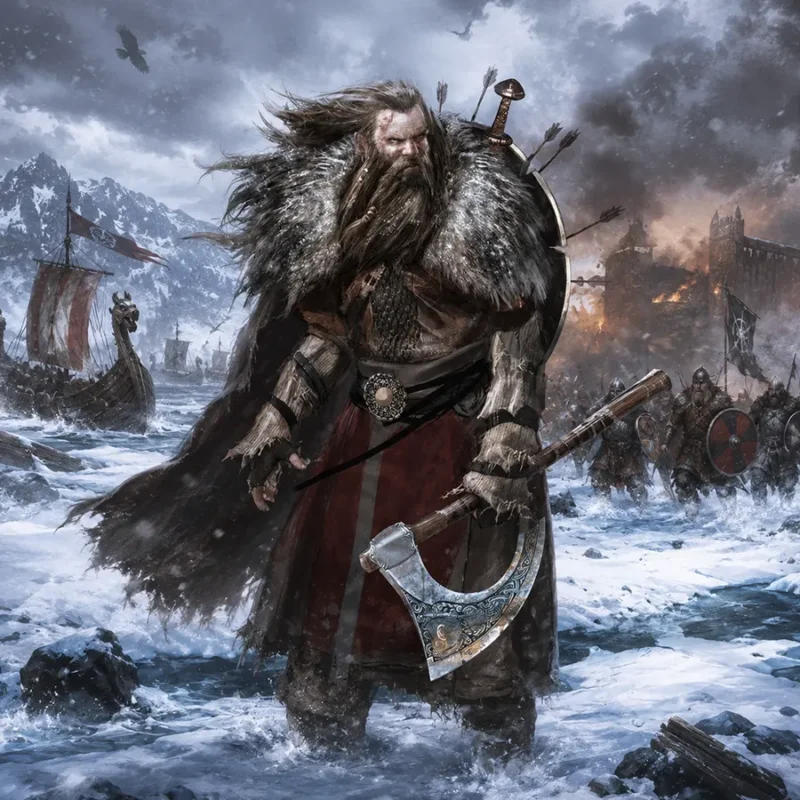
Norse mythology is filled with powerful symbols and legendary weapons. While hammers and spears often receive more attention, axes also held an important place in Viking storytelling and cultural traditions.
The axe represented both creation and destruction. It could be used to build homes and ships, but it could also be wielded in battle. This duality reflected the Norse understanding of life itself—a balance between opposing forces.
Creation and destruction were viewed as natural parts of existence. The same power that builds can also destroy, depending on how it is used. Therefore, the axe became a symbol of wisdom and responsibility.
The owner of the axe was expected to use their strength wisely. Possessing power carried an obligation to act honorably and with purpose. This idea remains one of the most meaningful aspects of Viking symbolism today.
Modern Interpretations of Viking Symbols
Interest in Viking culture has experienced substantial growth in recent years. Norse traditions have spread worldwide through documentaries, archaeological discoveries, literature, and popular entertainment.
Viking symbols have gained significant popularity in fashion, art, and personal expression. Among these symbols, the Viking axe continues to stand out because of its rich and timeless meaning.
Many people find the axe attractive. It’s not about war. It stands for resilience, courage, independence, and self-determination. These qualities remain valuable regardless of culture or era.
The axe can be displayed as a decorative piece, worn as jewelry, or incorporated into tattoo designs. It represents personal strength and the power to overcome challenges.
Lessons We Can Learn from Ancient Nordic Traditions
The symbolism of the Viking axe offers valuable lessons that remain relevant in modern society.
First, it teaches the importance of resilience. Challenges and setbacks are inevitable, but persistence often leads to growth and success.
Second, it highlights the power of choice. Every decision contributes to the direction of our lives, making personal responsibility essential.
Third, it reminds us that true power begins with self-mastery. Confidence, discipline, and integrity are often more valuable than physical strength alone.
Viking symbols continue to inspire people today, long after the Viking Age ended.
Conclusion
The Viking axe is far more than a historical weapon. It symbolizes strength, choice, and personal power. Rooted in Norse culture, this meaning has lasted for generations. It represents courage, responsibility, resilience, and the freedom to shape your destiny.
The Viking axe was useful in everyday life. Today, it represents self-empowerment. It continues to inspire people everywhere. Its message is timeless: true strength comes from our choices, the challenges we face, and the confidence we build within ourselves.

Viking Axe Personality: What This Symbol Reveals About Who You Are
Symbols express identity, values, and beliefs with remarkable power. The Viking axe is one of the most compelling symbols from history. It is both meaningful and intriguing. More than just a weapon used by Norse warriors, it symbolizes strength, resilience, independence, and courage. This iconic emblem attracts many people because of both its historical significance and its connection to personal identity.
If you feel drawn to this symbol, it may reveal deeper traits about your character. These traits can shape how you think, act, and navigate life. Let’s explore what this legendary emblem says about who you are.