
Viking Blog
Viking Beard Meaning: Why It Still Stands for Strength, Honor, and Identity
Jun
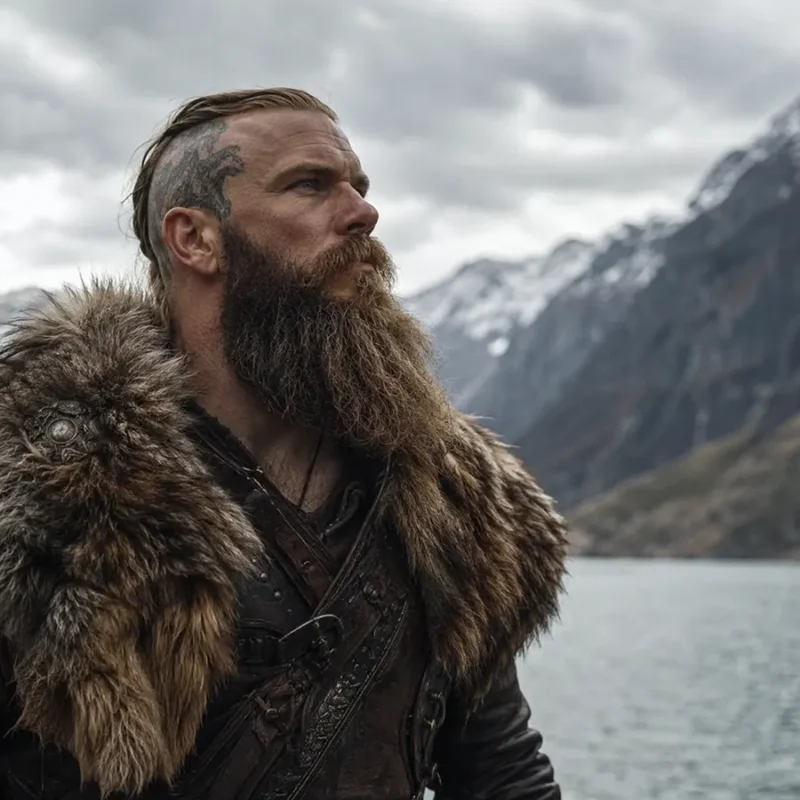
A Viking warrior is easy to spot. He’s a brave fighter, wielding a sturdy axe. His long beard flows in the northern wind. While Hollywood and popular culture have helped shape this image, the Viking beard is more than a fashion statement. For centuries, it has represented strength, honor, masculinity, and personal identity. Viking-inspired beards still capture attention today. They symbolize confidence and heritage, making them timeless.
In this article, we’ll look into the Viking beard. We’ll discuss its history, cultural importance, and why it still matters to men today.
The Historical Origins of the Viking Beard
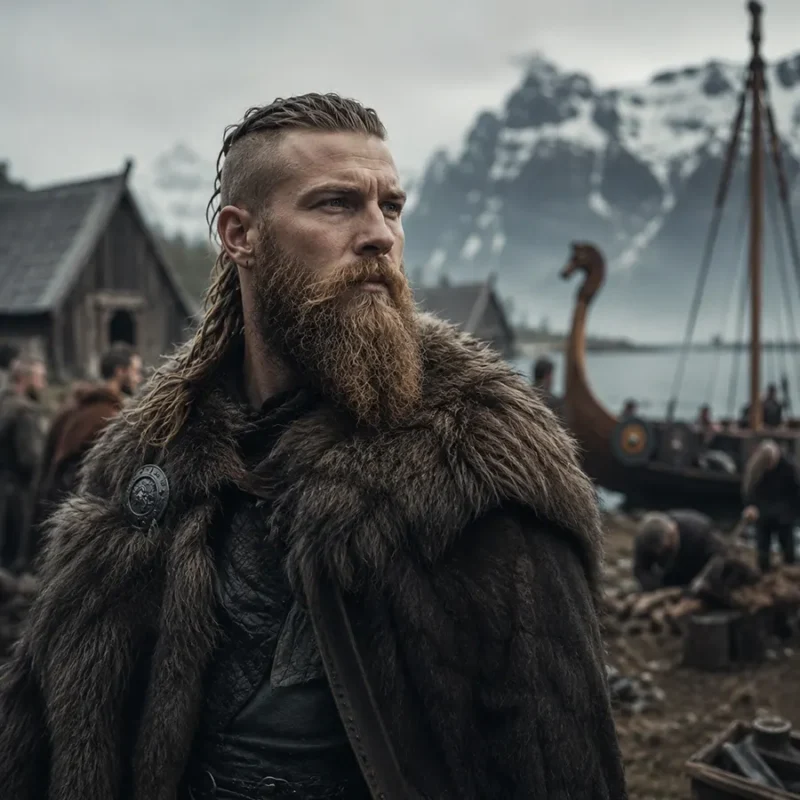
The Vikings thrived from the 8th to the 11th century in Scandinavia. They were famous for their seafaring skills, warrior culture, and unique look. Vikings weren’t rough and unkempt, as many think. Archaeological finds show they valued grooming. Combs, tweezers, razors, and grooming tools have been discovered in numerous Viking burial sites.
A well-maintained Viking beard was often considered a mark of pride and maturity. In Norse society, facial hair symbolized adulthood and the transition from youth to manhood. A full beard could indicate wisdom, bravery, and the ability to provide for and protect one’s family.
For Viking warriors, appearance also played a psychological role. A thick beard could make a man appear larger and more intimidating in battle, reinforcing his reputation as a fearless fighter. The mix of practicality and symbolism made the beard a key part of Viking identity.
Viking Beard as a Symbol of Strength and Courage
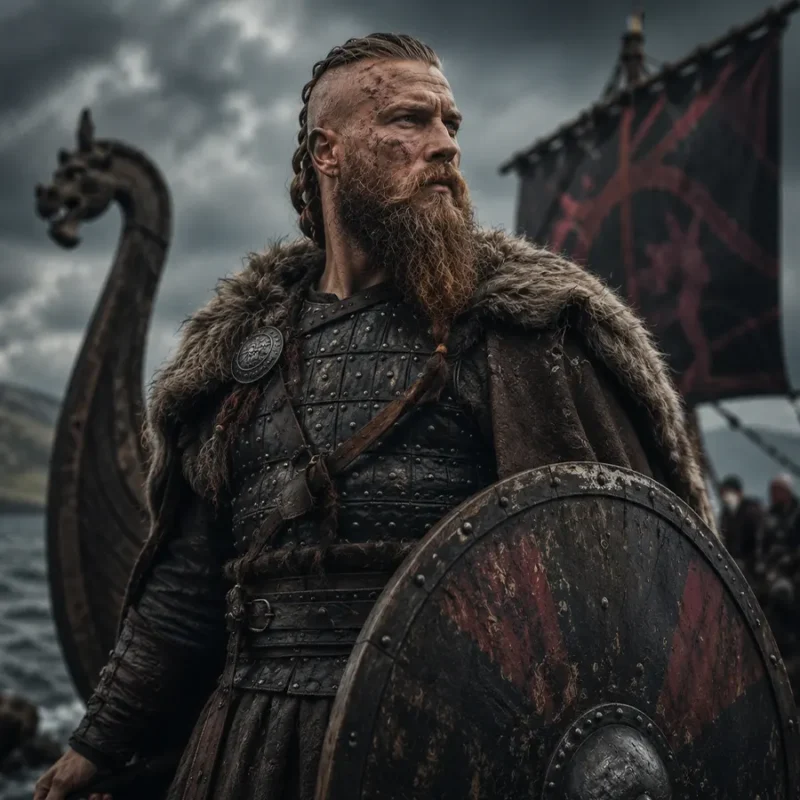
One of the primary reasons the Viking beard remains iconic is its connection to strength. In Norse mythology and Viking traditions, physical power and resilience were highly valued. Legendary gods such as Thor, often depicted with a mighty beard, embodied courage and protection.
Growing and keeping a long beard takes patience and dedication. These qualities reflect the Viking spirit. Warriors who crossed dangerous seas or fought in distant lands carried themselves with pride. Their beards showed their strength and endurance.
Beyond the battlefield, the beard also reflected inner strength. A Viking was expected to be loyal to his clan, defend his honor, and overcome hardship with determination. The beard, therefore, became more than facial hair—it symbolized the values that defined a true Norse warrior.
Why the Viking Beard Was More Than Just Fashion
Although modern beard trends come and go, the Viking beard was about more than just appearance. It was deeply connected to social status and cultural identity. In some Scandinavian traditions, shaving a man’s beard against his will was considered a severe insult, as it stripped away part of his dignity.
A beard could also distinguish experienced warriors and respected elders from younger men. In many communities, people honored age and wisdom, and a full beard became a visible sign of those achievements. This cultural respect helped reinforce the beard’s role as a symbol of honor and authority.
Many men today opt for a Viking-inspired beard. They don’t do this to imitate ancient warriors. Instead, they appreciate what it represents: confidence, authenticity, and self-respect.
The Viking Beard and the Idea of Honor
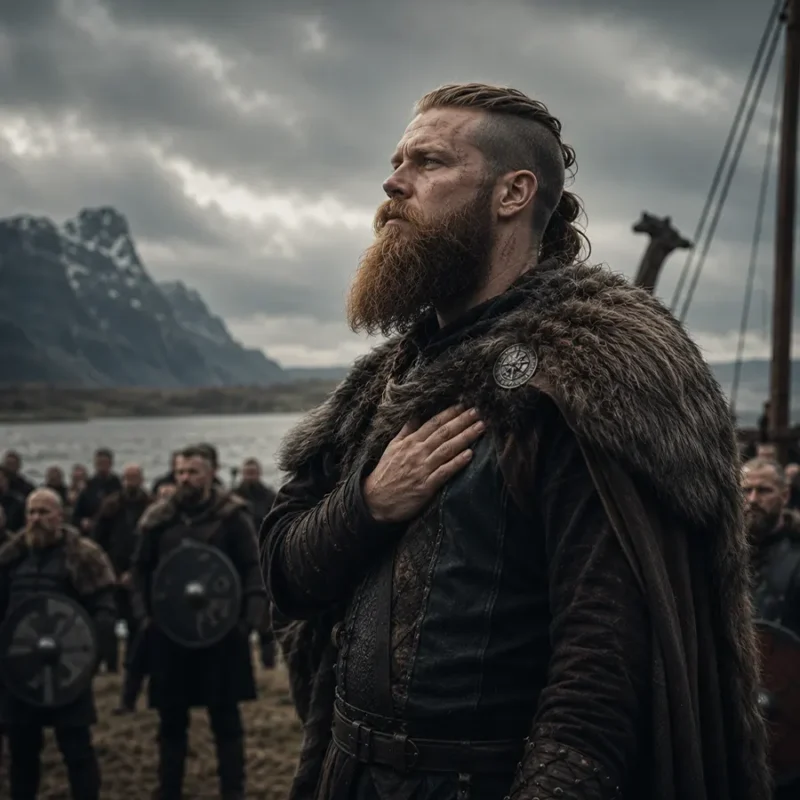
Honor was one of the most important principles in Viking culture. A person’s reputation was built through courage, loyalty, and keeping one’s word. Family legacy and personal integrity often mattered more than wealth or status.
The Viking beard became a significant symbol of honor because it formed an essential part of a man’s public identity. A proud, well-kept beard showed that a man respected himself and his community. It reflected discipline and responsibility, qualities admired throughout Norse society.
Icelandic sagas often paint vivid pictures of warriors and leaders. They focus on details like their striking beards. These descriptions were not accidental. They show how a man’s appearance connects to his true character. This reinforces the idea that appearance should match one’s values.
Even today, the symbolism remains relevant. Many people see the modern Viking beard as a statement of individuality and personal pride rather than simply a grooming choice.
How the Viking Beard Represents Identity
In today’s world, where personal style is often used to express identity, the Viking beard has taken on new meaning. It has become a symbol of independence, resilience, and connection to history. You don’t need Scandinavian ancestry to grow a Viking-inspired beard. It’s a great way to embrace the bold spirit of the Norse.
For some, it reflects a love of Viking history and mythology. For others, it means going back to classic ideas like craftsmanship, authenticity, and self-reliance. TV shows, historical documentaries, and Norse-inspired fashion have popularized this classic beard style.
Importantly, the Viking beard also challenges the idea that masculinity must fit a single modern standard. Instead, it celebrates diversity in self-expression and encourages men to embrace a look that feels genuine to them.
Viking Beard Styles in Modern Culture
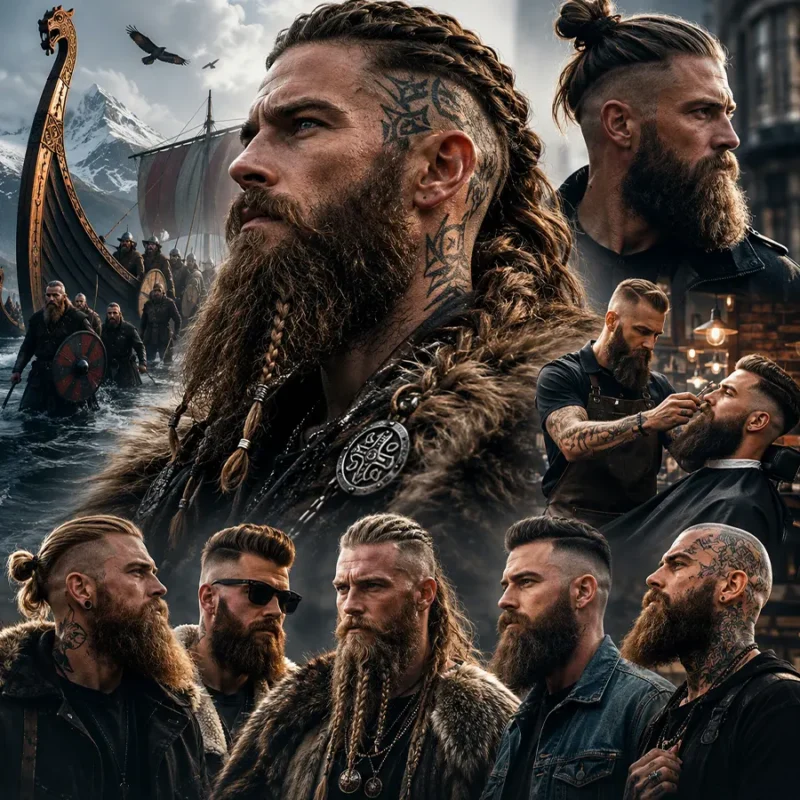
The resurgence of the Viking beard in recent years has been influenced by popular media and grooming trends. Characters in historical dramas and fantasy series have inspired many men to grow longer, fuller beards. These beards often have braids or a rugged look.
However, modern Viking beard styles often blend tradition with practicality. Some people like the long braided beard of legendary Norse warriors. Others prefer a shorter, neater style that suits modern life.
Regardless of style, the appeal remains the same. A Viking-inspired beard conveys confidence, strength, and a willingness to stand out from the crowd. It serves as a reminder that ancient traditions can still have meaning in the modern age.
The Lasting Legacy of the Viking Beard
The enduring popularity of the Viking beard is not simply the result of fashion trends or television influences. It reflects humanity’s fascination with symbols that carry deeper meaning. The Viking beard has stood for courage, loyalty to family and community, and pride in one’s identity across generations.
Unlike many grooming trends that fade over time, the Viking beard continues to evolve while preserving its core symbolism. It connects the modern man to a rich cultural heritage rooted in resilience and honor. Whether worn long and wild or carefully groomed, it carries echoes of a tradition that values authenticity above all else.
Conclusion
The Viking beard is far more than a relic of ancient Scandinavian history. It is a timeless emblem of strength, honor, and identity that continues to inspire people around the world. Rooted in Norse warrior traditions, it represents courage, maturity, and self-respect.
In today’s world, personal expression is key. The Viking beard connects us to timeless values that always matter. It reminds us that true strength is not only physical, but also found in character, integrity, and the confidence to embrace who we are. That is why, centuries after the age of the Vikings, the Viking beard still stands as one of history’s most enduring symbols of power and identity.