
Viking Blog
Viking Beard Legacy: Bringing the Warrior Mindset into Modern Life
Jun
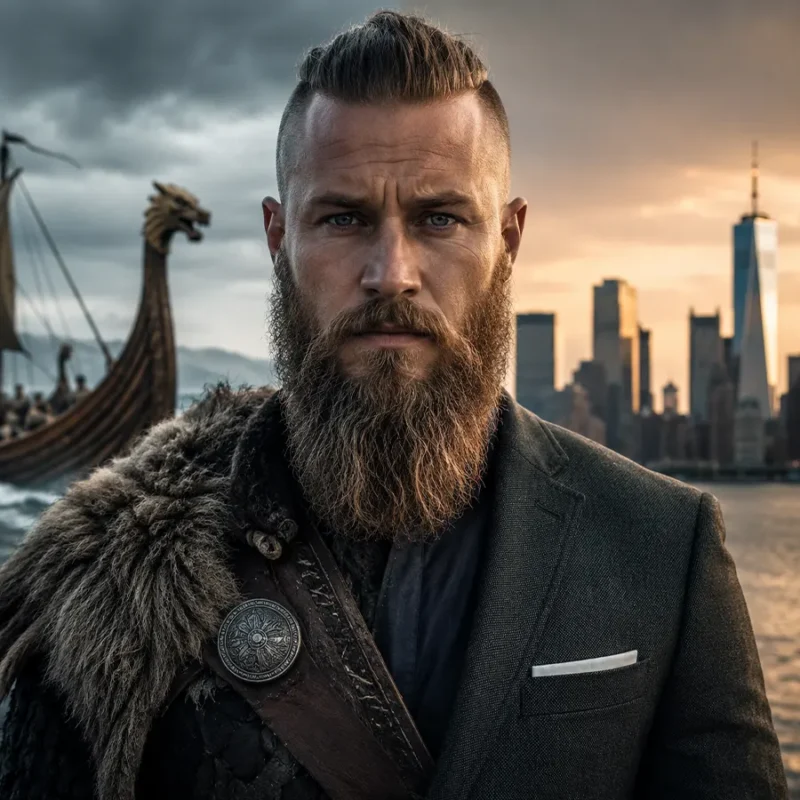
In recent years, the image of the Viking has made a powerful comeback. People worldwide are embracing the fearless spirit of Norse warriors. This trend comes from TV shows, history documentaries, and today’s fashion and grooming styles. At the center of this revival stands one iconic symbol: the Viking beard. It is more than facial hair. It shows strength, independence, discipline, and ties to tradition.
For ancient Vikings, a beard held significance beyond mere appearance. It reflected identity, maturity, and pride. Today, the Viking beard has evolved into a statement of character. It reminds modern men that resilience, courage, and authenticity are timeless values. These traits can guide us in everyday life.
The Historical Meaning Behind the Viking Beard
The legendary Norsemen explored, traded, and conquered Europe. They valued personal grooming more than many realize. Viking settlements have revealed combs, razors, and grooming tools. This shows that they cared about their appearance. A well-maintained Viking beard symbolized respect for oneself and one’s community.
In Viking culture, a beard was often associated with wisdom and masculinity. Warriors returning from battle carried not only scars but also the dignity reflected in their appearance. The beard became an outward sign of an inner code—one built on loyalty, bravery, and honor.
Many people today still believe style should convey meaning, even though society has changed a lot. Growing a Viking beard today is not just a trend; for many, it represents an embrace of the values admired by the ancient Norse.
Why the Viking Beard Has Become a Modern Symbol
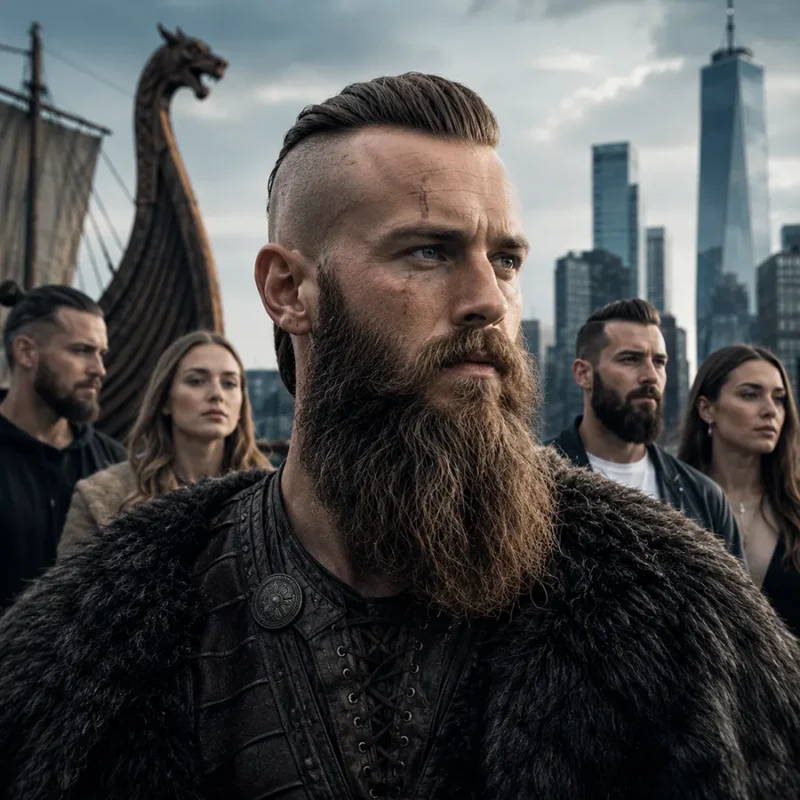
The popularity of the Viking beard is tied to the increasing interest in authenticity and self-expression. In a digital world where everything moves fast, many people look for symbols that link them to something lasting and real.
A full, carefully groomed beard projects confidence and individuality. Unlike temporary fashion fads, the Viking-inspired look carries a sense of history and purpose. Men who adopt this style often appreciate the patience and dedication required to grow and maintain it. The process reflects the Viking mindset. Success comes from consistency and perseverance.
Social media and entertainment have also played a role in reviving the image of the Norse warrior. Characters inspired by Viking legends often embody leadership, courage, and determination. The Viking beard showcases these qualities well. It turns a basic grooming choice into a personal statement.
Viking Beard and the Warrior Mindset
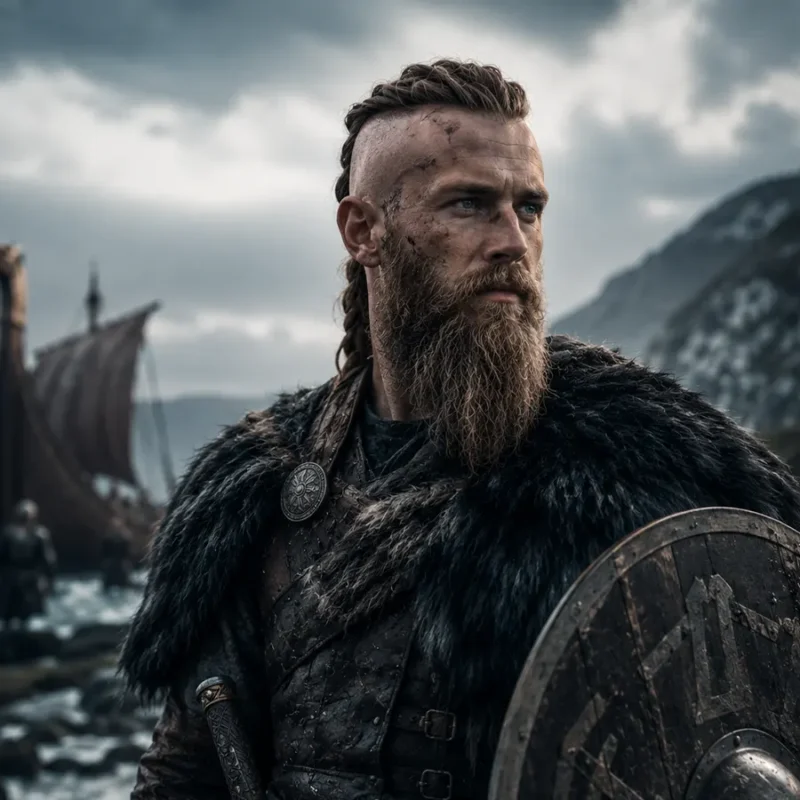
The real legacy of the Viking beard goes far beyond appearance. It represents a warrior mindset that individuals can apply to modern life. Ancient Vikings faced uncertain seas, harsh climates, and dangerous conflicts. They survived because they adapted, stayed disciplined, and relied on their inner strength.
Today’s challenges may look different, but the principles remain relevant. Building a career, raising a family, chasing fitness goals, or facing setbacks all require resilience. Embracing the Viking beard spirit means choosing courage instead of comfort. It’s about choosing persistence, not excuses.
A warrior mindset also emphasizes responsibility. Vikings valued loyalty to their families and communities. People can demonstrate these ideals by supporting loved ones, keeping promises, and sticking to their values, even when times get tough.
The daily care required for a beard can serve as a reminder of these values. Grooming routines need patience and discipline. They show that small, steady actions lead to lasting results.
The Art of Growing and Maintaining a Viking Beard
Growing a genuine-looking Viking beard is not about letting facial hair grow wild. Historical evidence suggests that Vikings took pride in their grooming habits. A healthy beard requires care, attention, and the right approach.
The first step is patience. Beard growth varies from person to person, and a fuller style often takes several months to develop. During this time, regular trimming helps shape the beard while preventing an untidy appearance.
Hydration and nutrition are equally important. A balanced diet rich in vitamins, proteins, and healthy fats supports stronger hair growth. Beard oils and balms can help moisturize both the hair and the skin beneath, reducing dryness and irritation.
Cleaning and combing the beard daily also contribute to its appearance. A wooden beard comb or quality brush can help distribute natural oils throughout the beard while maintaining its neat appearance. The goal is not perfection but a look that reflects strength combined with self-respect.
Ultimately, a well-kept Viking beard is about balance. It captures the rugged spirit of the ancient warrior while demonstrating modern standards of personal care.
Lessons from Viking Culture for Everyday Life
Viking culture is more than a fashion trend. It also teaches us valuable life lessons. The Norse people believed in taking action rather than waiting for perfect circumstances. Exploration, courage, and adaptability defined their way of life.
One lesson is the value of resilience. Failure was never the end for a Viking; it was an opportunity to learn and grow stronger. In the modern world, people can approach setbacks at work or in personal relationships with the same attitude.
Another lesson is self-reliance. Vikings knew that building skills was key. They took charge of their own success. This principle is important for learning a new job, starting a business, or getting fit.
The Viking beard can serve as a daily reminder of these ideals. Looking in the mirror can mean more than grooming. It often symbolizes a commitment to growth, discipline, and perseverance.
Viking Beard as a Lifestyle Choice
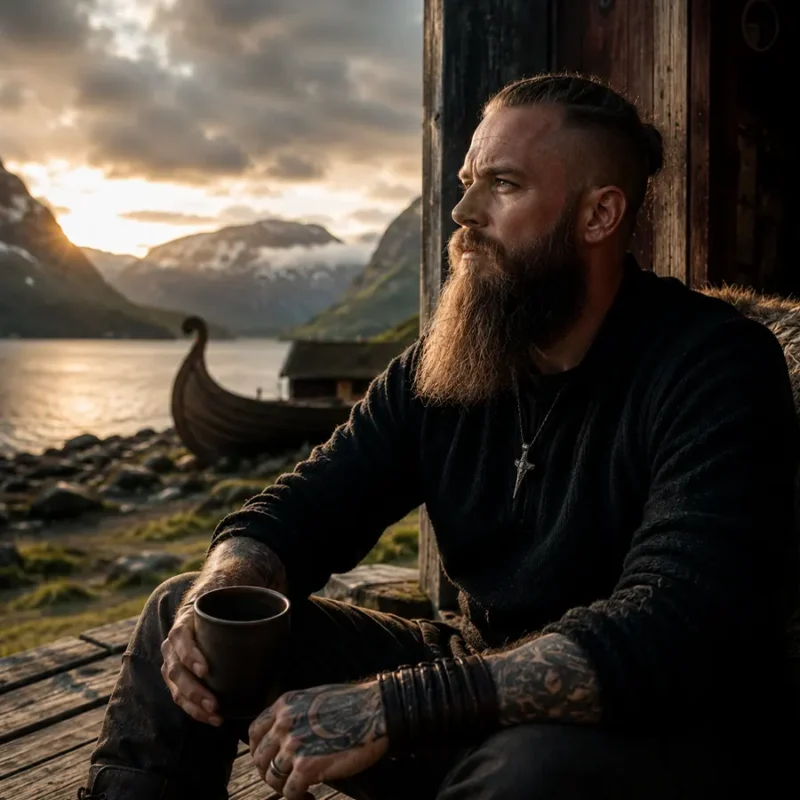
For many enthusiasts, embracing the Viking beard goes hand in hand with adopting a broader lifestyle. This could mean exercising, spending more time outdoors, practicing mindfulness, or reconnecting with traditional crafts and culture.
The warrior lifestyle is not about aggression or domination. Instead, it is about developing inner strength and confidence while respecting others. Ancient Vikings were explorers, traders, and builders as much as they were fighters. Their success depended on adaptability and cooperation, qualities that hold equal value today.
Choosing a Viking-inspired appearance can also encourage authenticity. Instead of following every trend, people develop a personal style that shows their values and identity. In this sense, the Viking beard becomes a symbol of independence and self-assurance.
Conclusion
The enduring appeal of the Viking beard lies in what it represents rather than how it looks. It is a connection to a rich cultural heritage and a reminder of timeless virtues such as courage, honor, discipline, and resilience. Modern life doesn’t require battles on distant shores, but it still requires determination. We must overcome obstacles and stay true to our principles.
By embracing the legacy behind the Viking beard, people can bring the warrior mindset into their everyday routines. The ancient Norse values still inspire today’s generation. This comes from personal growth, disciplined habits, and a commitment to authenticity.
In the end, a Viking beard is more than a style—it is a reflection of character. It stands as a modern emblem of strength, reminding us that the spirit of the warrior is not confined to history. It lives on in those who choose to face life with courage, purpose, and unwavering determination.