
Viking Blog
Viking Wedding – 7 Powerful Traditions That Define Norse Love
Dec
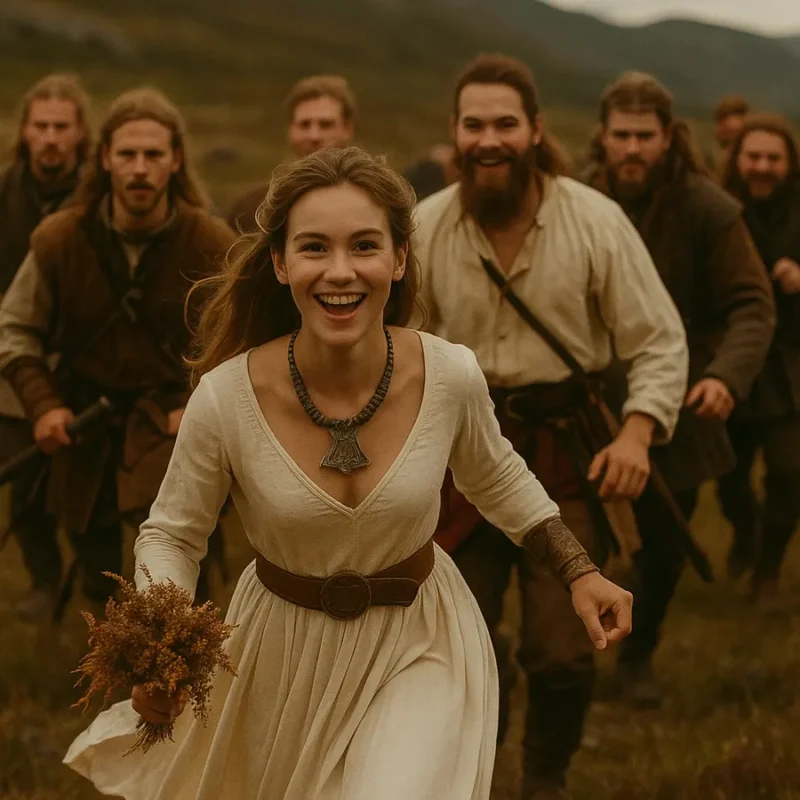
In Norse culture, marriage was not just a social contract. It was a sacred bond linking families, gods, and destiny. A Viking wedding united two people and their clans. Rituals, symbols, and celebrations marked this bond.
A Viking wedding was different from today’s romantic ceremonies. It centered on honor, fertility, and prosperity. Every gesture — from the exchange of swords to the sharing of mead — carried deep meaning. Here are seven powerful traditions that defined love and union in the Viking Age.

1. The Match and the Family Agreement
A Viking wedding began long before the ceremony itself. Families arranged marriages through negotiations rather than personal courtship. Fathers or chieftains discussed alliances, property, and dowries (heiman fylgja).
Still, consent mattered. The bride and groom both had to agree. This showed mutual respect, which was quite progressive for that time. Marriage was more than love. It was a strategy. It created peace between clans and strengthened community ties.
2. Choosing the Wedding Day – Honoring the Gods

The Viking wedding was a spiritual event. The Norse calendar marked the time with precision. Most weddings took place in summer—the season of fertility and travel.
The people asked Frigg, the goddess of marriage, and Freyja, the goddess of love and beauty, for blessings. People considered Fridays (named for Frigg) especially auspicious. The day and setting symbolized harmony between human love and the forces of nature.
3. The Groom’s Sword and the Bride’s Inheritance
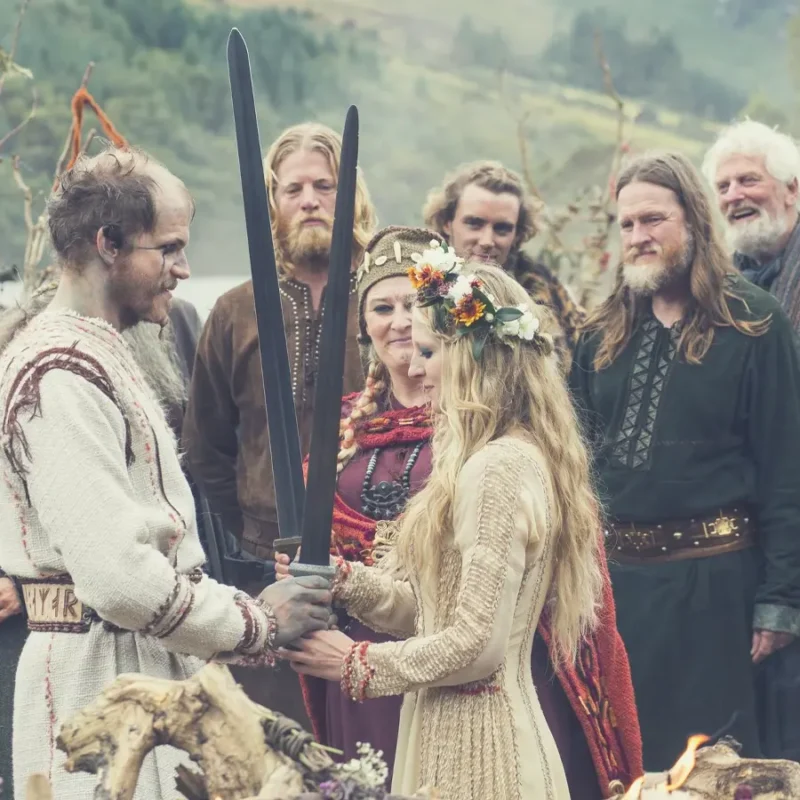
A dramatic moment in every Viking wedding was the exchange of heirlooms. The groom presented his ancestral sword to the bride — a symbol of trust and continuity. She, in turn, offered him a chest of dowry, representing her family’s wealth and goodwill.
This act joined two bloodlines and honored their ancestors. It ensured protection and prosperity for future generations. It was not jewelry or rings that marked Viking commitment, but steel and legacy.
4. The Cleansing Ritual – Fire and Water
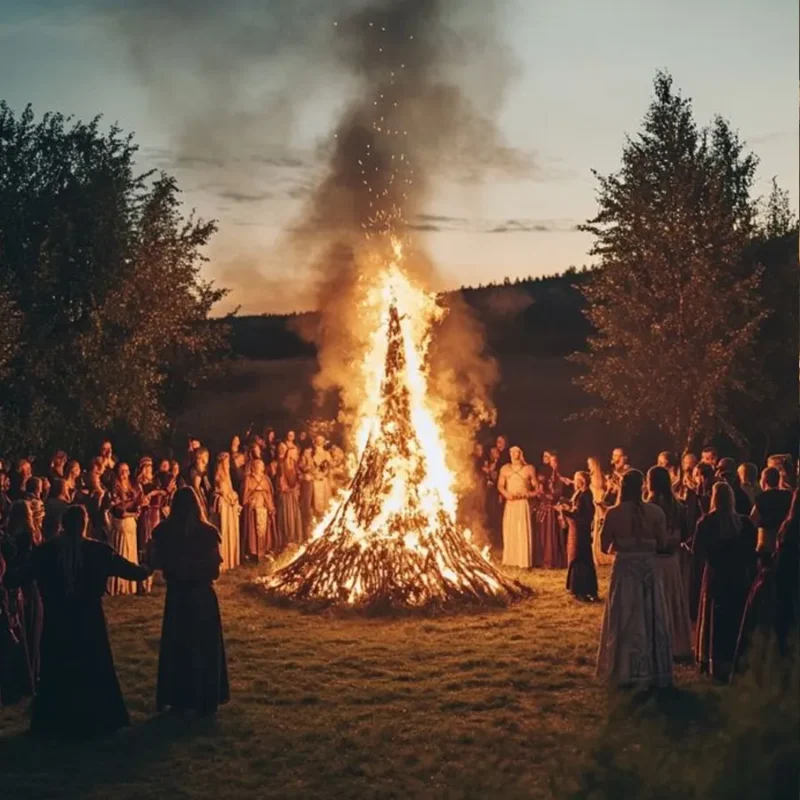
Before the ceremony, both the bride and groom underwent a purification rite. This Viking wedding tradition included bathing in water and receiving blessings from fire. This symbolized renewal and the start of a new life together.
The stylist worked on the bride’s hair and added a bridal wreath, taking off her maiden headband. The groom also underwent a ceremonial cleansing. This sometimes included blood from a sacrificed animal. It marked his transition into manhood and marriage.
5. The Ceremony – Under the Witness of the Gods
The Viking wedding took place outdoors, often near sacred groves or stone altars. A gothi (pagan priest) or chieftain led the ceremony. They called on the gods Thor, Freyja, and Odin to bless the union.
The couple held hands over an oath ring, a strong symbol of honor, and promised to be faithful. Thor’s hammer, Mjölnir, was often placed in the bride’s lap to bless her fertility. When the guests heard the vows, they cheered. The couple was now bound by law and faith.
6. The Feast – A Celebration of Union and Community
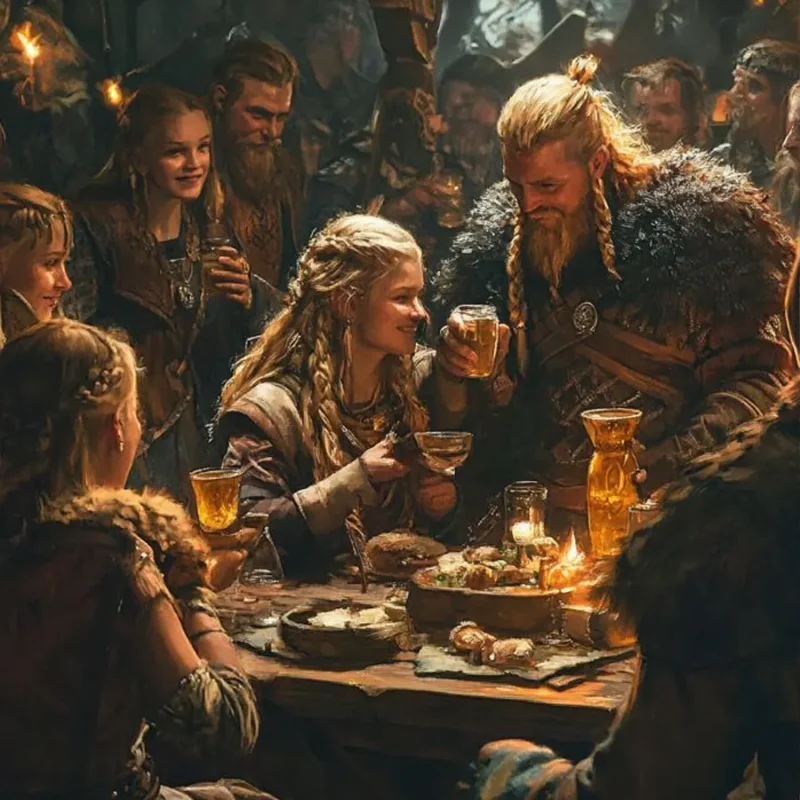
A Viking wedding feast could last for days. Ale, mead, and roasted meats filled the tables. Songs, riddles, and sagas celebrated the newlyweds. The drinking of mead for a “honeymoon” period (one month) gave rise to the modern term we still use today.
Guests gave gifts, reaffirmed alliances, and warriors boasted of past victories. The celebration was not about love — it was about unity, enough, and joy shared by all.
7. The Bridal Night and Blessing of the Home
After the feast, witnesses escorted the couple to their bed. This ensured the marriage was legitimate. This special moment of the Viking wedding was private and sacred. It was the last act that sealed the union.
Fires burned in the home. People made offerings to household gods for fertility and prosperity. Marriage was now complete, and the new household joined the social fabric of the Norse world.
The Meaning Behind the Viking Wedding
A Viking wedding was not about romance; it encompassed honor, balance, and destiny. The rituals showed that Vikings viewed love and family as sacred duties. They believed that the gods and ancestors safeguarded these.
Every detail—fire, water purification, and shared mead—revealed the Norse view: life is a cycle of renewal, fueled by love.
Why the Viking Wedding Still Inspires Today
Many modern couples find inspiration in Viking weddings. They love the symbolism and beauty of these ceremonies. Handfasting rituals, nature ceremonies, and rune blessings echo ancient traditions.
People admire Viking unions for more than looks. They value their strength based on equality, courage, and loyalty. In a world that moves fast, the Viking wedding reminds us how strong commitment can be.
Conclusion – The Eternal Flame of Viking Love
Viking weddings celebrated love through sword fights and mead feasts. They honored both passion and duty. They united two souls, two families, and the favor of the gods.
Today, these rituals still speak to us — proof that love, when bound by honor and courage, never fades. The Viking wedding spirit still shines bright. It brings the North’s wisdom to every heart that loves with courage.