
Viking Blog
Viking Beard Tradition: Why People Feel a Deep Connection to This Timeless Symbol
Jun
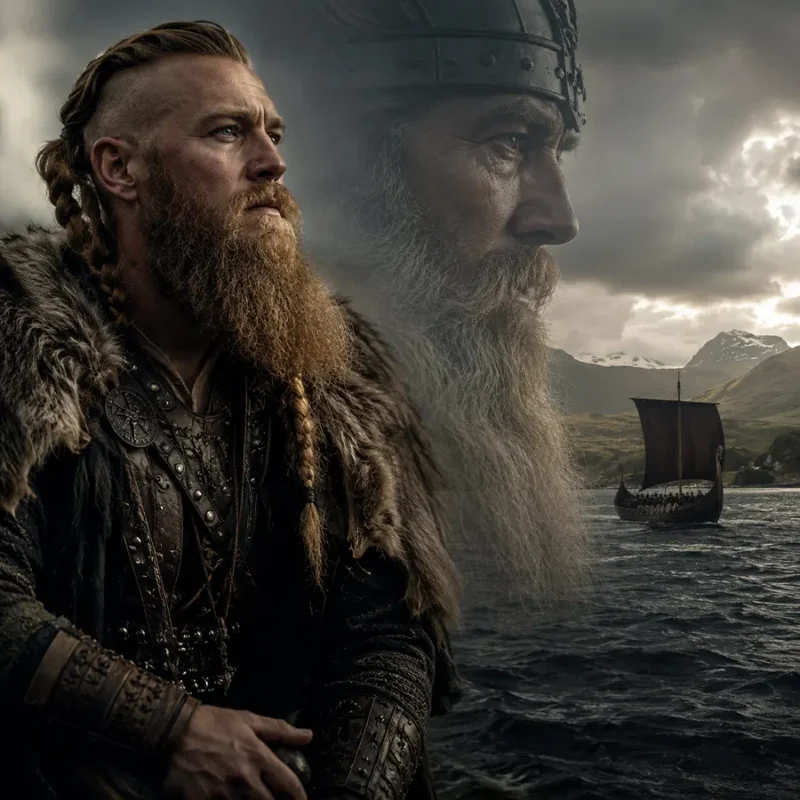
It’s hard to picture a Viking warrior without a thick, impressive beard. The beard is a well-known symbol of Norse culture. You can see it in movies, TV shows, and historical art. Yet the fascination with the Viking beard goes beyond appearance alone. For many people today, it symbolizes strength and authenticity. It also represents resilience and a link to ancient traditions that endure through time.
Modern men are embracing beards to express themselves. Viking-inspired styles remain popular and continue to grow in appeal. But why does this centuries-old tradition still have such a profound impact? The answer lies in the Viking beard’s rich mix of history, identity, and symbolism.
The Historical Origins of the Viking Beard
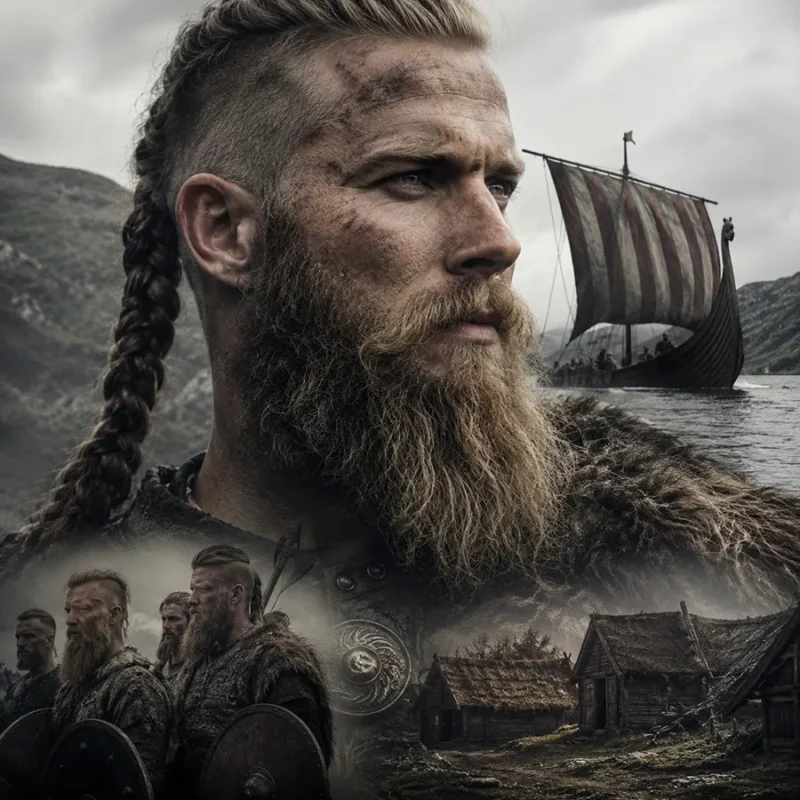
The Vikings were Norse people who lived from the 8th to the 11th century. People recognized them for their adventurous spirit and warrior culture. Many people think Vikings were wild and unkempt. However, archaeological finds show they actually cared a lot about grooming. Excavations in Viking settlements have uncovered combs, tweezers, razors, and other grooming tools. This shows that appearance was important.
A well-maintained Viking beard served as more than a fashion statement. It often reflected maturity, social status, and personal pride. In harsh Scandinavian climates, facial hair also provided practical protection against the cold weather. However, its symbolic value was even more important. A full beard stood for masculinity, courage, and the wisdom that comes with life experience.
In Norse sagas, strong warriors and esteemed leaders often had grand beards. This tradition made the beard a symbol of honor and power. Its cultural legacy still influences us today.
Why the Viking Beard Symbol Still Inspires Modern Men

In a world focused on quick trends and online identities, many people look for symbols of authenticity and individuality. The Viking beard has become one of those symbols because it embodies qualities that feel timeless.
First, the beard reflects resilience. Vikings endured difficult environments, dangerous voyages, and fierce battles. Their image evokes determination and the ability to overcome adversity. Growing and keeping a beard can remind you of patience, discipline, and self-confidence.
Second, the Viking aesthetic celebrates natural masculinity. Instead of following rigid beauty standards, it embraces ruggedness and uniqueness. Every Viking-style beard is one of a kind. It lets people create a look that reflects who they are.
Finally, many men feel drawn to the sense of heritage that the Viking beard is connected to. Many people, even without Scandinavian roots, admire Viking culture. They value freedom, loyalty, bravery, and adventure. Wearing a beard inspired by these traditions feels like bringing a bit of that spirit into daily life.
Viking Beard Tradition and Its Cultural Meaning
The cultural significance of the Viking beard extends beyond physical appearance. In many ancient societies, beards stood for wisdom and social status. In Norse culture, they also showed personal identity and family honor.
Historical records and Icelandic sagas often mention nicknames related to beard color, shape, or length. These descriptions mattered. They shaped a person’s reputation in the community. A unique beard could become a lasting part of someone’s legacy, remembered long after battles ended.
Today, this symbolic connection continues in a different form. Many view the Viking beard as a way to reject shallow trends. It stands for values like authenticity and self-reliance. It’s now a way to show independence. This is important in a time when social media and modern expectations shape personal identity.
Viking-themed festivals, historical reenactments, and TV dramas are now very popular. This trend has made the connection even stronger. Both the dramatic stories and the visual symbolism of beards draw in audiences. They represent courage, brotherhood, and the quest for freedom.
The Influence of Pop Culture on the Viking Beard Revival
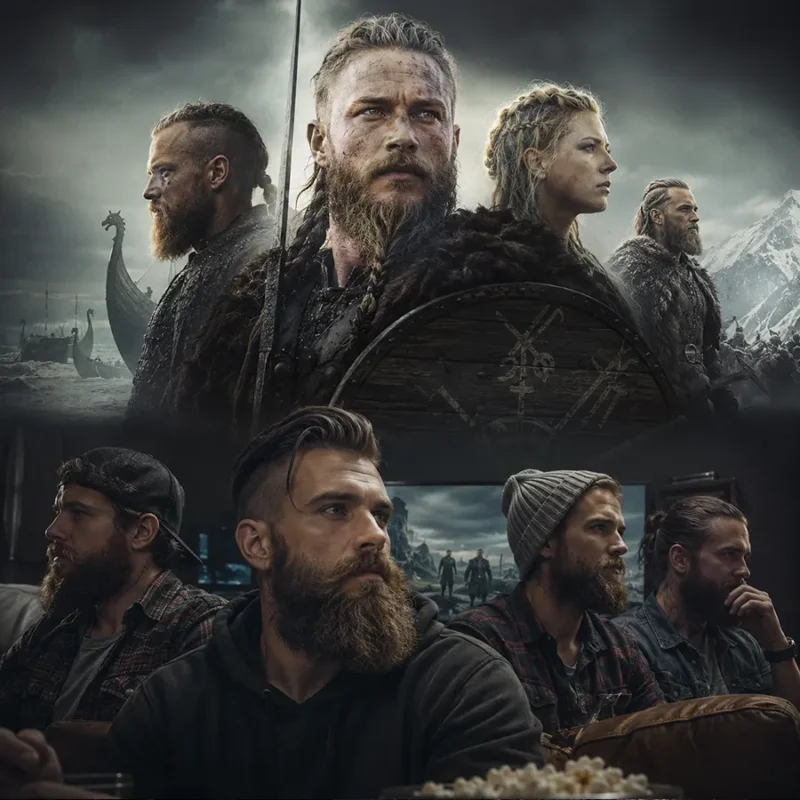
There is no doubt that popular culture has played a major role in the global revival of the Viking beard. Shows like Vikings and The Last Kingdom brought Norse history and style to millions. Bold characters with braided beards and rugged hairstyles inspired a new generation to try these styles.
Social media platforms have also contributed to this trend. Grooming influencers and beard fans often share tutorials, tips, and styling ideas. Many of these draw inspiration from Viking traditions. As a result, the Viking beard has evolved into more than a historical reference—it has become a modern lifestyle statement.
The appeal extends beyond men with long, dramatic beards. Many adopt shorter or neatly trimmed versions, yet they embrace the underlying symbolism. The style is about more than looks; it represents confidence, strength, and individuality.
How to Embrace the Viking Beard Lifestyle
Growing a Viking beard involves more than allowing facial hair to grow unchecked. Vikings valued cleanliness and grooming, so regular maintenance is key to achieving that look.
A healthy beard requires proper washing, conditioning, and trimming. Beard oils and balms help maintain softness while preventing dryness and irritation. Some enthusiasts add subtle braids to their beards. They shape them based on Norse art and history.
Embracing the Viking beard lifestyle means adopting the mindset that comes with it. Patience, resilience, and confidence are qualities that cannot be purchased or styled overnight. Growing a beard teaches commitment and self-discipline. It becomes a meaningful journey.
Many beard enthusiasts describe their beard as a reflection of their character. Like the Vikings of old, they see it as a visible reminder of perseverance and authenticity in a constantly changing world.
Why People Feel a Deep Emotional Connection to the Viking Beard
The lasting popularity of the Viking beard cannot be explained by fashion alone. At its core, it connects with universal human desires: the need for identity, belonging, and purpose. Ancient symbols endure because they connect with emotions that never change over time.
The Viking beard tells a story of exploration, courage, and self-discovery. It reminds people of a time when personal reputation was built through actions rather than appearances. In modern society, where trends come and go rapidly, this message feels surprisingly relevant.
For some, wearing a Viking-inspired beard is a tribute to history. For others, it is a declaration of independence or a celebration of natural masculinity. Whatever the reason, the emotional connection often runs deeper than aesthetics. It reflects a longing to reconnect with timeless values that transcend cultures and eras.
Conclusion
The tradition of the Viking beard has endured because it represents much more than facial hair. Rooted in Norse history and mythology, it symbolizes strength, honor, wisdom, and authenticity. Modern views may be influenced by popular culture, but the deeper meaning stays the same.
People continue to feel a strong connection to the Viking beard because it offers a bridge between the past and the present. It lets people show who they are and embrace values that inspire generations. In a world that keeps changing, this symbol reminds us that courage, resilience, and self-confidence always matter.
The Viking beard is a powerful symbol. People see it as a tradition, a cultural icon, or a personal statement. Its legacy captures imaginations worldwide and will likely stay strong for years to come.