
Viking Blog
Viking Axe Significance Beyond History: Reasons for People’s Strong Connection to It

Jun
The Viking Age ended long ago, but its symbols still fascinate people everywhere. Among these symbols, the Viking axe stands out as one of the most recognizable and meaningful. While many people first associate it with warfare and conquest, the truth is far more complex. The Viking axe symbolizes strength, resilience, freedom, craftsmanship, and cultural identity.
Viking-inspired jewelry, home décor, tattoos, and collectibles are becoming increasingly popular. This trend shows that these symbols resonate for reasons beyond their historical context. The Viking axe holds a deeper meaning that still inspires people today.
The Historical Importance of the Viking Axe

To grasp its modern importance, we must explore the Viking axe’s historical role. Axes were practical tools that many Norse people owned. Swords were costly and intended primarily for wealthy warriors. People used axes for farming, woodworking, building ships, and defending communities.
Because of its versatility, the axe became an essential part of daily life. A Viking might use the same tool to build a home, prepare firewood, and protect loved ones. This dual purpose gave the axe a unique status within Norse society. It was not simply a weapon; it was a symbol of survival and self-reliance.
The axe had a strong link to daily life. This connection added cultural depth, making it significant beyond the battlefield.
Viking Axe Symbolism: Strength and Resilience

People connect with the Viking axe because it symbolizes strength and resilience. Life during the Viking Age was challenging. Harsh climates, dangerous sea voyages, and constant uncertainty required extraordinary determination.
The axe became a symbol of the ability to overcome obstacles and endure hardships. Many people today see it as a reminder that they can face challenges with courage and persistence.
This symbolism is especially relevant today. In modern society, personal growth often means facing and overcoming challenges. The Viking axe symbolizes inner strength. It can inspire anyone facing career challenges, personal setbacks, or major life changes.
Why the Viking Axe Represents Freedom

Freedom played a significant role in Norse culture. Vikings were explorers and traders. They traveled far and wide to find new opportunities. Their journeys reflected a spirit of independence that continues to inspire people today.
The Viking axe is strongly associated with this idea of freedom. It symbolizes the courage to forge one’s own path and make independent choices. Many enthusiasts own or display Viking-inspired axes. This demonstrates their desire for personal freedom and self-determination.
In a world where routines can feel limiting, the axe reminds us of the Viking spirit. It symbolizes adventure, exploration, and discovery.
The Viking Axe as a Symbol of Personal Identity
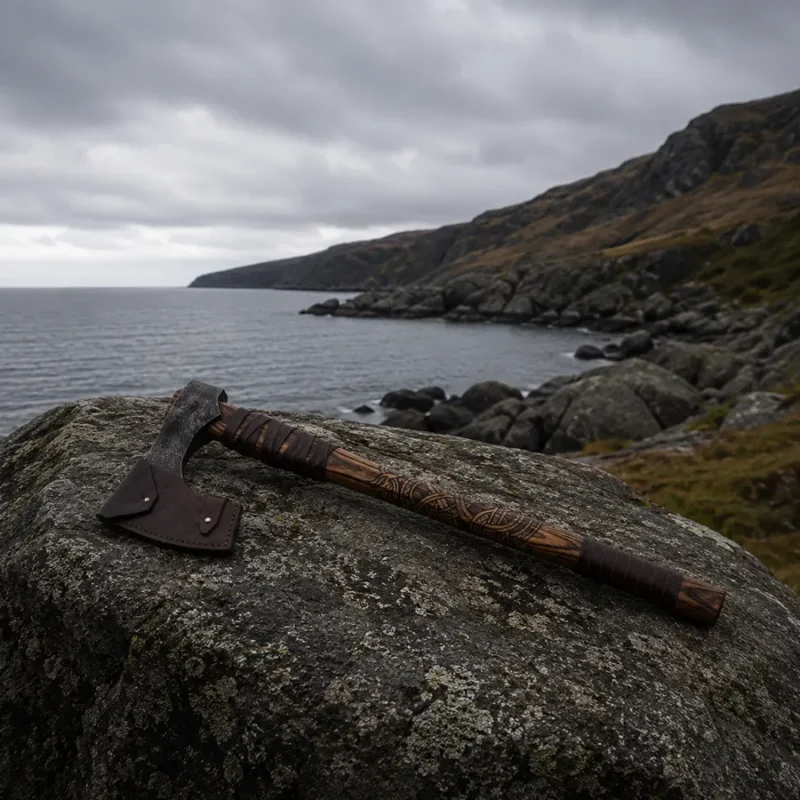
Beyond its historical significance, the Viking axe has become an important symbol of identity. Many people with Scandinavian roots feel a deep bond with Viking culture. They often view the axe as a symbol of their heritage.
However, its appeal extends beyond those with direct Nordic ancestry. The values associated with the axe—strength, perseverance, courage, and independence—are universal. People from many different backgrounds adopt Viking symbolism because they identify with these qualities.
As a result, the axe often appears in tattoos, artwork, jewelry, and personal collections. These items aren’t just for show. They often reflect personal beliefs and aspirations.
Craftsmanship and the Artistic Beauty of the Viking Axe
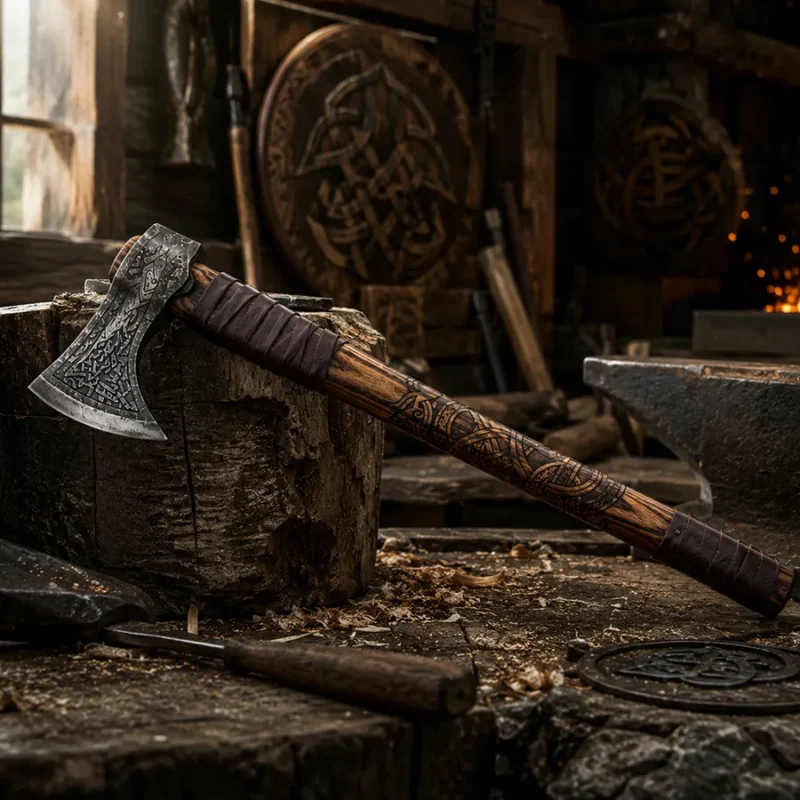
Another reason people feel drawn to the Viking axe is its remarkable craftsmanship. Historical Viking axes were carefully designed tools that combined functionality with artistic detail. Skilled blacksmiths forged blades that were both effective and visually striking.
Many surviving examples feature intricate carvings, decorative inlays, and elegant proportions. Modern artisans carry on this tradition. They create handcrafted axes that honor Norse design and heritage.
Appreciation for craftsmanship builds an emotional bond between the owner and the item. People admire the axe for its symbolism. They also respect the skill, dedication, and creativity needed to craft it.
This artistic aspect transforms the Viking axe from a historical object into a significant cultural symbol.
Viking Axe Meaning in Modern Popular Culture
Movies, TV shows, video games, and books have greatly contributed to sharing Viking culture with people around the world. Popular media often portrays Viking warriors carrying powerful axes. This reinforces the axe’s iconic status.
Many modern stories go beyond combat. They explore themes such as honor, loyalty, exploration, and personal growth. These narratives help people connect emotionally with Viking symbolism.
As a result, the Viking axe has become a cultural icon that transcends historical boundaries. It is no longer viewed solely as an ancient weapon but as a representation of timeless human values.
Popular culture has sparked interest in authentic Norse history. This helps people appreciate the symbolism of the axe even more.
Spiritual and Emotional Connections to the Viking Axe
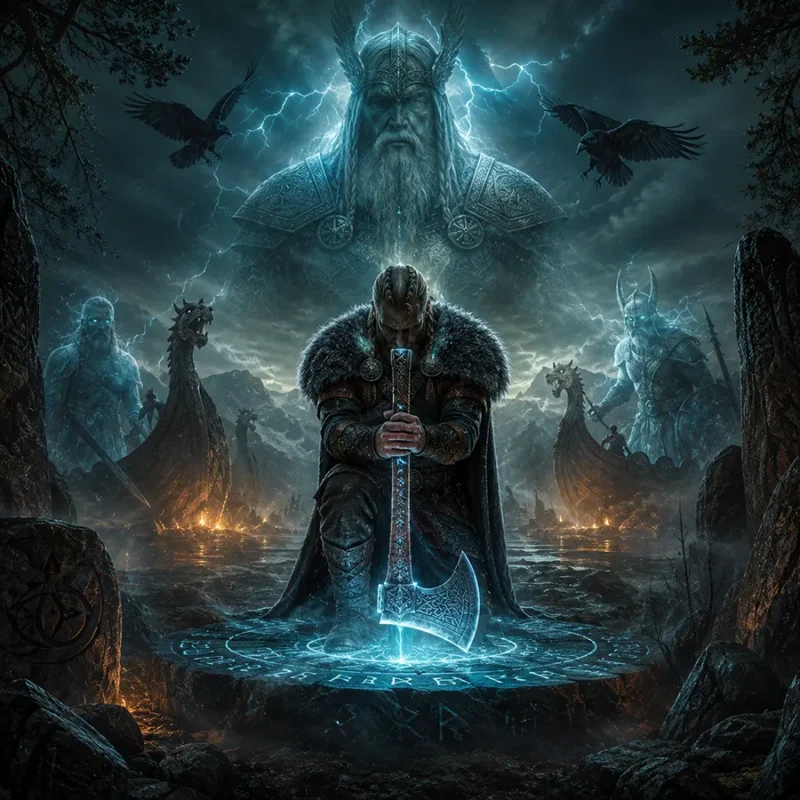
For some individuals, the Viking axe carries spiritual significance. Norse mythology is rich with stories of gods, heroes, and legendary journeys. The axe often appears within this symbolic framework as an instrument of courage and destiny.
Those who study Norse traditions often view the axe as a symbol of their connection to nature, ancestral wisdom, and personal responsibility. Many people, even those without spiritual beliefs, feel inspired by the values of Viking culture.
The emotional connection can be surprisingly powerful. The axe symbolizes qualities that many people aspire to develop, such as confidence, determination, and resilience.
The Enduring Legacy of the Viking Axe
The Viking axe remains popular today. This demonstrates that its significance goes beyond history alone. It embodies a combination of practical skill, personal strength, artistic craftsmanship, and cultural identity.
In today’s world, people seek symbols that reflect their values and aspirations. The Viking axe fulfills this role by representing courage in the face of adversity, freedom to pursue one’s own path, and the resilience required to overcome life’s challenges.
Although centuries have passed since the Viking Age, the message carried by the axe remains remarkably relevant. Its enduring appeal lies not in its connection to warfare but in the universal human qualities it represents.
Conclusion
The meaning of the Viking axe goes far beyond its historical function as a tool or weapon. It symbolizes strength, resilience, freedom, craftsmanship, and personal identity. These timeless values explain why so many people continue to feel a deep connection to this iconic Norse symbol.
Whether displayed as art, worn as jewelry, collected as a historical piece, or embraced as a personal emblem, the Viking axe continues to inspire individuals across cultures and generations. Its legacy endures because it connects to a fundamental aspect of the human spirit: the desire to face challenges bravely, forge one’s own path, and remain strong during difficult times.

Viking Axe Jewelry and Decor: Wearing a Symbol That Reflects Your Values
Throughout history, symbols have helped people express who they are and what they believe. The Viking axe is a legendary symbol from the ancient world. It represents strength, courage, resilience, and honor. Originally a weapon for Norse warriors, it now thrives in jewelry, home decor, and personal accessories. These items celebrate Viking culture and timeless values.
Whether worn as a pendant, displayed as wall art, or crafted into a decorative keepsake, a Viking axe is more than just an attractive design. It connects to history and shows bravery, independence, and a readiness to face challenges. Viking-inspired accessories help people show their true character. In a world that values authenticity, these symbols are a perfect fit.