
Viking Blog
10 Famous Heroes from Viking Mythology

Dec
The world of Viking mythology and Norse sagas is filled with legendary warriors, fearless explorers, and remarkable figures whose stories have survived for centuries. Some were heroes of medieval literature, while others were historical people whose lives became surrounded by legend. From the dragon-slayer Sigurd to the explorer Leif Erikson, discover 10 famous heroes connected to Viking history, Norse storytelling, and the enduring spirit of adventure.
- Sigurd (Siegfried) – Dragonslayer and Victim of the Curse
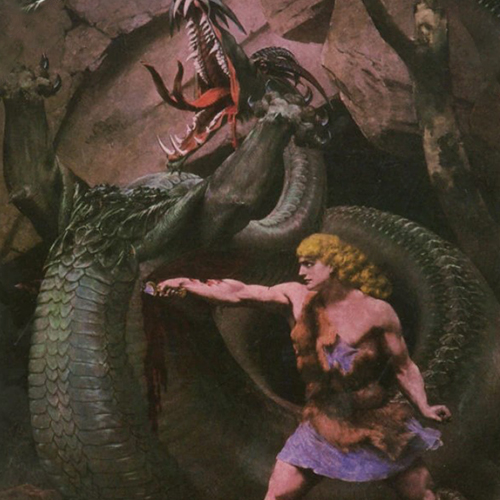
Sigurd, also known as Siegfried in Germanic legend, is one of the most famous dragon-slayers in Norse heroic literature. Armed with the legendary sword Gram, he kills the dragon Fafnir and claims a treasure associated with a powerful curse.
According to the Völsunga Saga, Sigurd gains the ability to understand birds after accidentally tasting blood from Fafnir’s heart while roasting it. The birds warn him that Regin, his mentor, intends to betray him. Although Sigurd overcomes the dragon, his later life becomes entangled in love, deception, and tragedy. His story explores the complicated relationship between courage, wealth, loyalty, and fate.
- Beowulf – Legendary Warrior Facing the Darkness
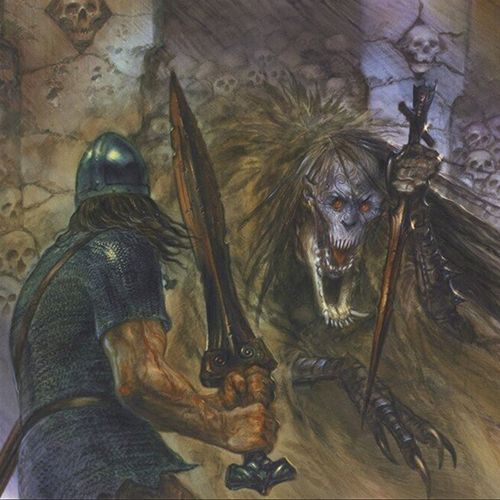
Beowulf is the hero of an Old English epic poem set in early medieval Scandinavia, before the Viking Age. Although the poem belongs to Anglo-Saxon literature rather than Norse mythology itself, its setting and heroic traditions share important connections with the wider Germanic world.
A warrior of the Geats, Beowulf travels to Denmark to help King Hrothgar, whose great hall, Heorot, is threatened by the monster Grendel. Beowulf defeats Grendel in combat and later confronts Grendel’s mother in her underwater dwelling. Many years afterward, as an aging king, he faces a dragon threatening his people. He defeats the creature but suffers a fatal wound, leaving behind a story of bravery, duty, and the cost of heroism.
- Thorstein Vikingsson – Heir to the Legend
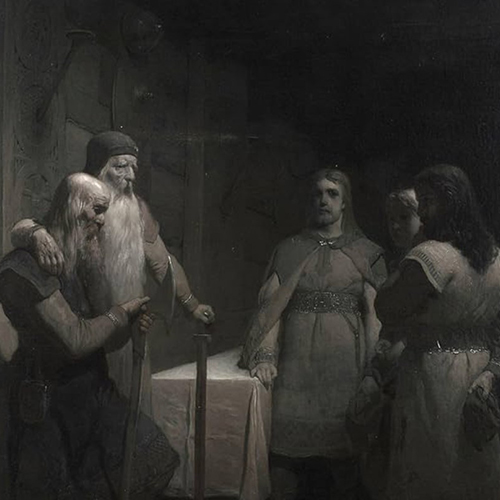
Thorstein Vikingsson is the central hero of Þorsteins saga Víkingssonar, a medieval Icelandic legendary saga that tells of adventurous warriors, family rivalries, and dangerous journeys. He is the son of Víking, whose friendship with Njörfi forms an important part of the story’s background.
As the younger generation comes into conflict, Thorstein faces battles and rivalries, especially involving Jökull, Njörfi’s son. His adventures combine heroic combat, loyalty, and the supernatural elements common in Norse legendary sagas. Thorstein’s story explores how personal choices and inherited conflicts can shape a warrior’s destiny.
- Grettir Ásmundarson – The Outlaw Hero of Iceland
Grettir Ásmundarson is the central figure of Grettis Saga, one of Iceland’s most famous medieval sagas. Known for his extraordinary strength and troubled life, Grettir faces dangerous enemies, supernatural encounters, and the hardships of living as an outlaw.
After years of conflict, he seeks refuge on the remote island of Drangey, where his younger brother Illugi remains loyal to him. Their final struggle against Grettir’s enemies becomes one of the saga’s most memorable episodes. Grettir’s story explores courage, isolation, loyalty, and the tragic consequences of violence and revenge.
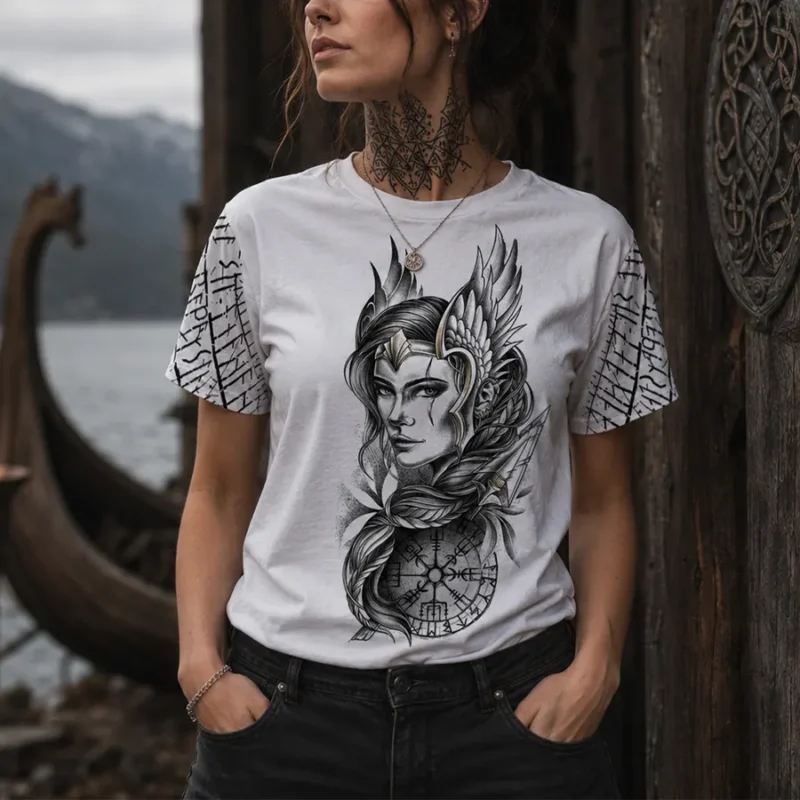
- Hervor – The Female Warrior with the Sword of Destiny
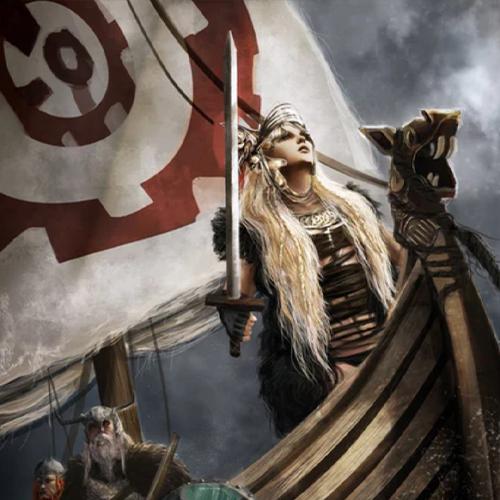
Hervor is a fearless warrior heroine from Hervarar Saga, remembered for her determination to claim the cursed sword Tyrfing. Refusing to abandon her family’s legacy, she travels to the island of Samsø, where her father, Angantyr, lies buried.
Standing before his burial mound, Hervor calls upon her father’s spirit and demands the legendary sword. Despite warnings of its dangerous curse, she refuses to retreat. Her courage and determination make her one of the most memorable female figures in Norse legendary literature. Hervor’s story explores the power of inheritance, personal identity, and the difficult choices that come with claiming one’s destiny.
- Bjorn Ironside – The Unconquerable Warrior
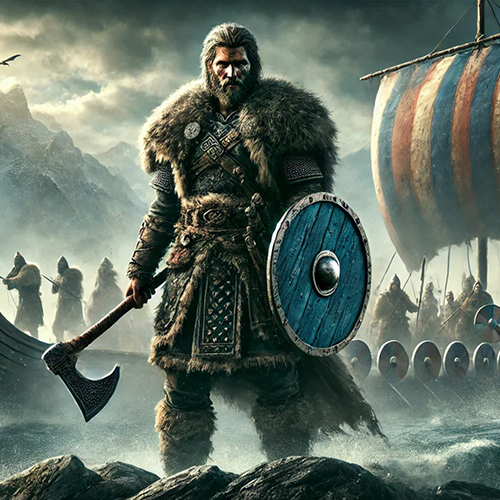
Bjorn Ironside is a famous figure in Viking legendary traditions, often described as one of the sons of Ragnar Lothbrok. His reputation as a formidable warrior has made him a prominent character in stories of Viking raids, leadership, and overseas expeditions.
Later accounts associate Bjorn with ambitious Viking campaigns, including voyages toward the Mediterranean. However, the details of his life and achievements are difficult to separate from legend. Rather than a conqueror of all Europe, Bjorn is best understood as a figure whose reputation reflects the seafaring ambition and warrior traditions celebrated in Norse storytelling.
- Egil Skallagrimsson – The Warrior Poet with a Complex Soul
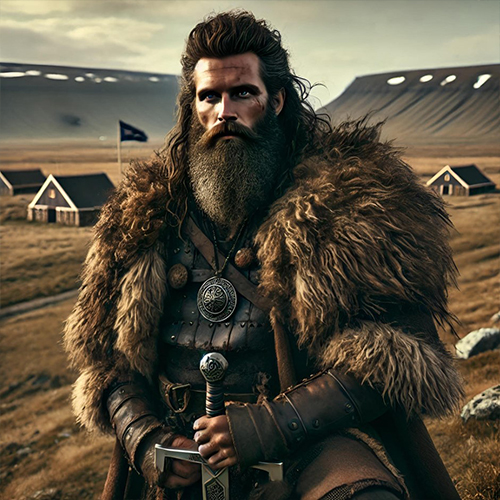
Egil Skallagrimsson is one of the most fascinating figures in Icelandic saga literature. Portrayed as both a formidable warrior and a gifted poet, Egil combines fierce independence with an extraordinary ability to express anger, pride, grief, and personal loss through verse.
Egils Saga follows his conflicts, travels, and complicated relationships with powerful rulers. The poems attributed to him add emotional depth to his character, although scholars continue to debate aspects of their authorship and historical dating. Egil remains a memorable example of the complex personalities portrayed in Norse sagas, where courage and creativity could exist alongside violence and personal tragedy.
- Ragnar Lothbrok – The Legendary Viking King
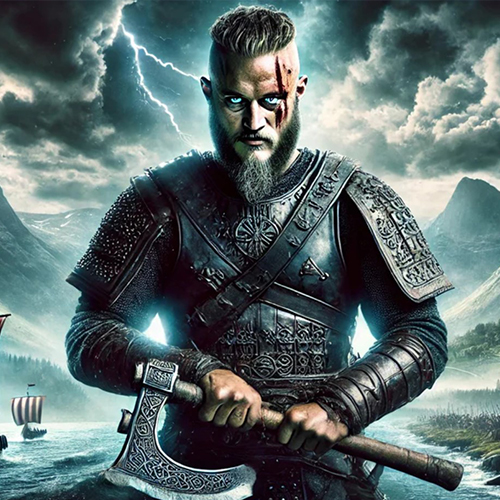
Ragnar Lothbrok is one of the best-known figures in Viking legend, celebrated in medieval sagas as a daring warrior, ambitious leader, and father of famous Viking sons. Stories of his raids and battles have made him a lasting figure in Norse-inspired literature and popular culture.
However, separating the historical Ragnar from the legendary character remains difficult. Some scholars have suggested that the stories may preserve memories of a real Viking leader, while many details belong to later literary traditions. His famous death in a pit of venomous snakes is part of the legendary narrative rather than an independently verified historical event.
- Hálfdan the Black – The Wise King
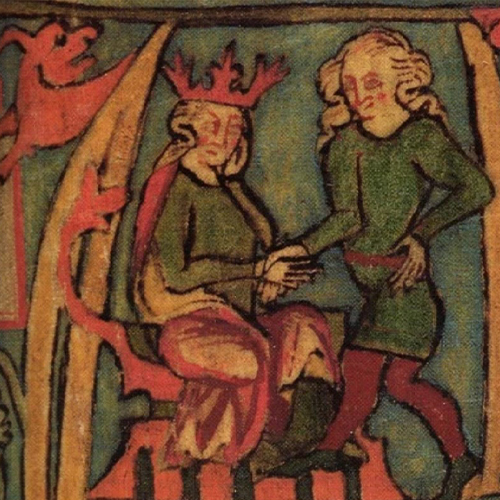
Halfdan the Black was a ninth-century Norwegian ruler remembered in medieval kings’ sagas. He is best known as the father of Harald Fairhair, who is traditionally associated with the unification of Norway.
According to Heimskringla, Halfdan expanded his influence through warfare, alliances, and political marriages. The saga portrays him as a capable ruler whose authority extended over parts of southeastern Norway. Although some details of his life remain uncertain, his story offers a glimpse into the regional struggles and family alliances that shaped early Norwegian kingship.
- Leif Erikson – The Ocean-Crossing Explorer
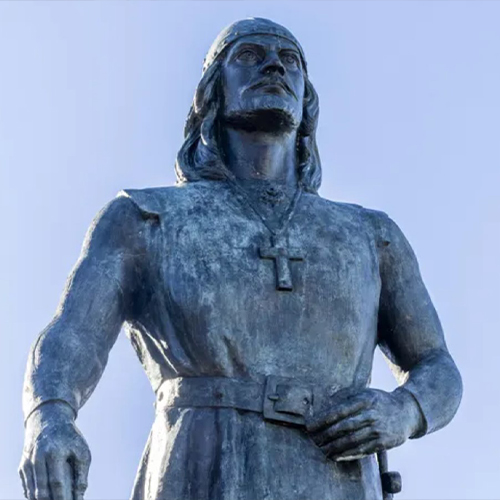
Leif Erikson is one of the most famous Norse explorers, traditionally credited in the Vinland sagas with voyaging from Greenland to lands across the North Atlantic around the year 1000, centuries before Christopher Columbus reached the Americas.
Archaeological discoveries at L’Anse aux Meadows in Newfoundland, Canada, confirm that Norse people established a settlement in North America during the 11th century. While the site does not identify Leif personally, it provides remarkable evidence of the wider voyages described in the Vinland stories. Leif’s legacy reflects the skill, curiosity, and determination of Norse seafarers who crossed vast stretches of ocean into unfamiliar lands.
Conclusion
The heroes of Viking mythology, Norse sagas, and Scandinavian history offer remarkable stories of courage, ambition, loyalty, and adventure. From Sigurd’s legendary battle with Fafnir to Leif Erikson’s voyages across the North Atlantic, each figure reflects a different aspect of the Norse world.
Some of these heroes belong primarily to literature, while others have stronger connections to historical events. Understanding the difference allows us to appreciate both the imaginative power of Norse storytelling and the real achievements of Viking Age explorers and leaders.
Sources & Further Reading
- University of Iowa – The Völsunga Saga
Provides the complete English translation of the legendary saga describing Sigurd, Fafnir, and the tragic fate of the Volsungs. - British Library – Beowulf
Explores the Old English epic, its Scandinavian setting, and Beowulf’s battles with Grendel, Grendel’s mother, and the dragon. - Árni Magnússon Institute – Þorsteins saga Víkingssonar
Introduces a scholarly edition of the medieval Icelandic saga about Thorstein Vikingsson, family rivalries, and heroic adventures. - Cambridge University Press – Grettir and Fraternal Loyalty
Examines Grettir’s final years on Drangey and the loyalty of his younger brother Illugi. - Heimskringla – Finnur Jónsson on Hervarar Saga
Presents a scholarly discussion of Hervarar Saga, including Hervor’s encounter with her deceased father and the cursed sword Tyrfing. - Árni Magnússon Institute – The Poetry of Egil Skallagrimsson
Discusses the surviving poems attributed to Egil and scholarly debates about their authorship and dating. - Cambridge University Press – High-Kings, Vikings and Other Kings
Presents a historical interpretation of Ragnar Lothbrok and the relationship between legendary traditions and Viking Age leadership. - University of Oslo – Halfdan the Black Saga
Provides access to the medieval account of Halfdan the Black and his place in early Norwegian royal traditions. - UNESCO – L’Anse aux Meadows National Historic Site
Documents archaeological evidence of Norse settlement in North America during the 11th century and its connection to the Vinland voyages.
Deutschland