
Viking Blog
Modern Viking Longhouse: A Bold Fusion of Norse Tradition and Contemporary Design
Mar
The modern Viking longhouse attracts architects and history lovers. These buildings root themselves in Norse tradition. Now, they are being reimagined with new materials, energy-efficient options, and modern comforts. This article examines the history, design elements, and current trends of Viking longhouses. It provides ideas for anyone interested in building or enjoying these classic homes.
A Glimpse into Viking Longhouse History
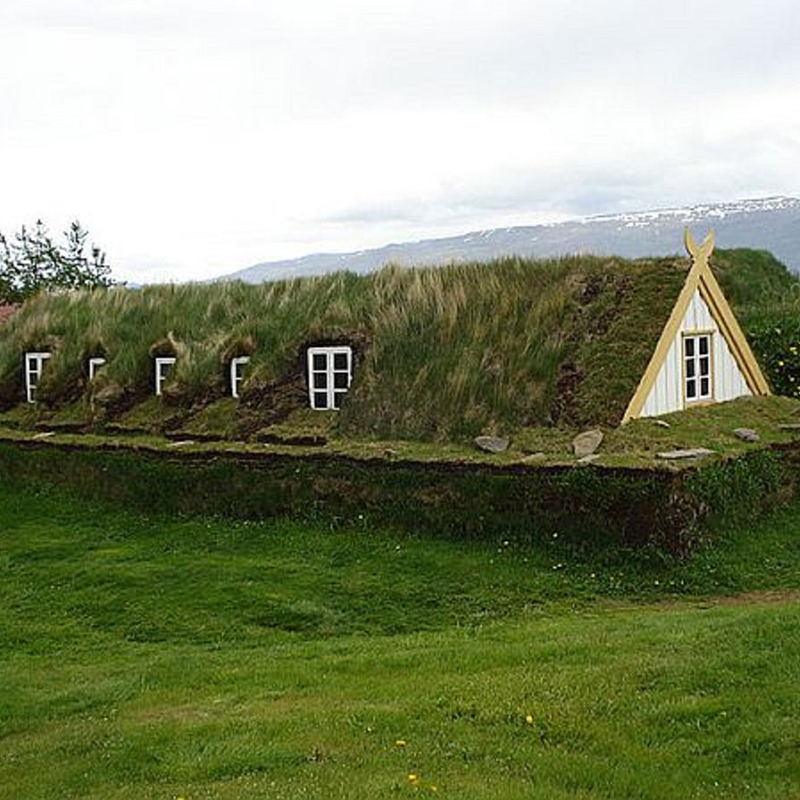
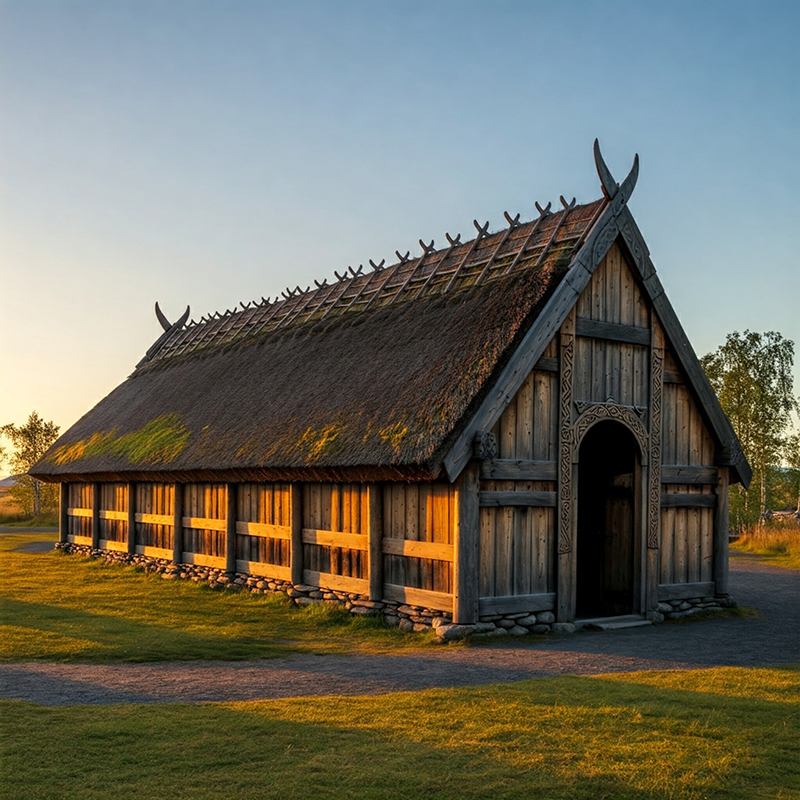
Viking longhouses were the primary dwellings of the Norse people from around 500 AD to 1300 AD. These long, rectangular homes used local materials like wood, turf, and stone. Built for tough Scandinavian winters, longhouses had thick walls for insulation. They also included a central hearth for warmth and cooking. These buildings were communal. They often housed extended families, livestock, and storage, all under one roof.
Traditional longhouses focused on being practical and strong. They had thatched or sod roofs, which added insulation. The design showed Viking values. The size and quality of a longhouse often revealed the owner’s status and wealth.
Blending Tradition with Modern Architecture
The resurgence of Viking longhouse-inspired architecture blends historical authenticity with modern innovation. Contemporary longhouses keep traditional elements but add new features. They use sustainable materials, smart home tech, and energy-efficient solutions. Some key features of modern Viking longhouses include:
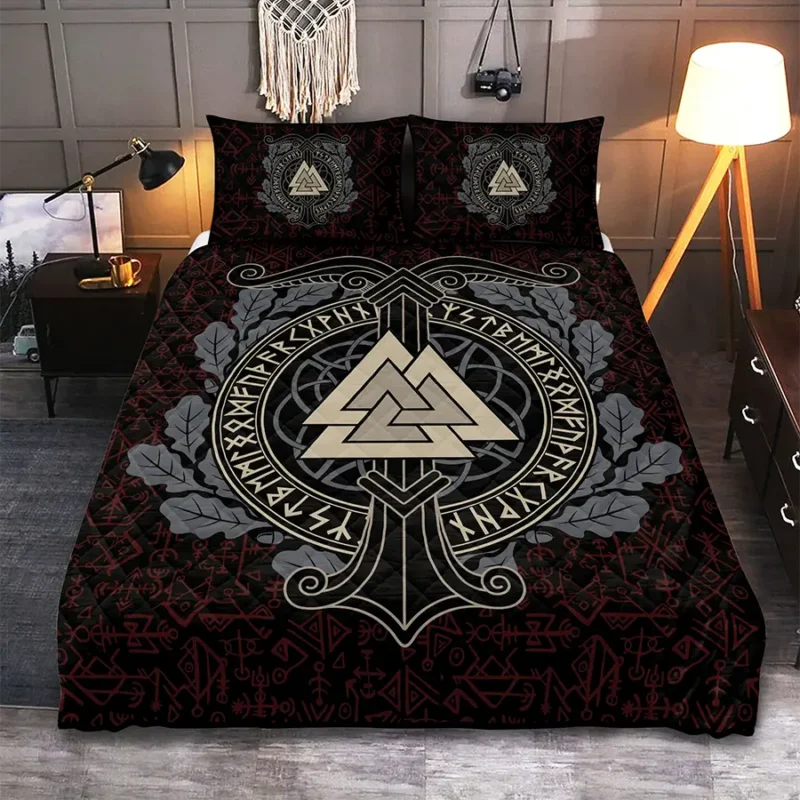
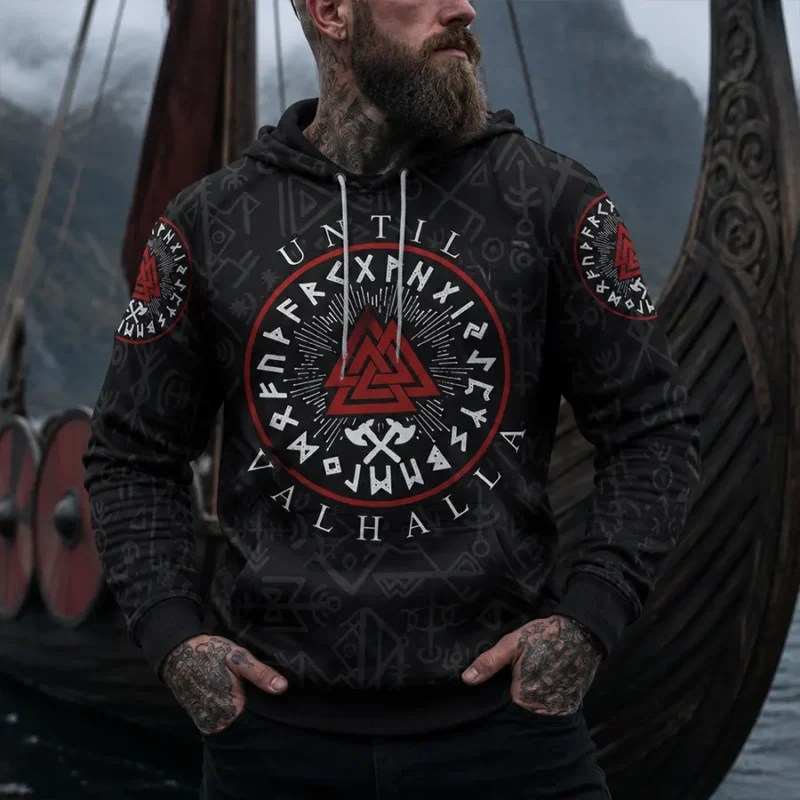
Centered around the Valknut, one of the most recognizable symbols in Norse mythology, this design reflects the bond between warriors, fate, and the halls of Valhalla. The interlocking triangles are framed by a circle of ancient runes, representing wisdom, protection, and the unseen forces that guide a warrior’s path. Intricate knotwork and symmetrical Nordic ornamentation create a sense of balance and strength, while the dark background allows the pale symbols to stand out with commanding presence. Every element echoes the Viking belief that honor is earned through courage, loyalty, and perseverance. It serves as a reminder that a true legacy is not measured by years lived, but by the values carried forward through every challenge.
1. Sustainable Building Materials
Modern longhouses incorporate eco-friendly materials, including reclaimed wood, stone, and hempcrete. Many homeowners choose timber-frame construction with glass and steel. This creates an open, inviting space while keeping the historical look intact.
2. Energy Efficiency and Green Design
Today’s designs honor Viking architecture. They feature passive solar heating, geothermal systems, and rainwater harvesting. Big windows let in natural light. This cuts down on the need for artificial lighting and saves on energy costs. Some designs even include solar panels and wind turbines to enhance energy independence.
3. Open-Concept Living Spaces
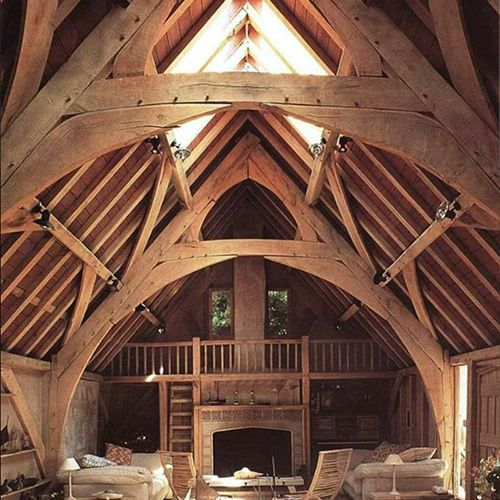
Modern designs of Viking longhouses now favor open floor plans. In contrast, traditional ones had separate sections for people and animals. High ceilings and exposed beams make the space feel warm and open. Central fireplaces add to the cozy vibe. This setting is perfect for family gatherings and community living. These homes use smart features. This gives you better control over lighting, heating, and security.
4. Minimalist and Rustic Aesthetics
The modern Viking longhouse embodies a minimalist yet rustic aesthetic. Natural materials, inviting colors, and handmade furniture give any space charm and warmth. Interior designs often include wooden beams and stone hearths. They also feature Viking-inspired décor, like runic carvings and Nordic patterns. Some homeowners add traditional Viking symbols and artwork. This brings authenticity to their interiors.
5. Integration with Nature
Both traditional and modern longhouses blend seamlessly with their surroundings. You can find these homes in forests, by coastlines, or in rural areas. They focus on a strong bond with nature. Green roofs, large windows, and outdoor areas strengthen this connection. They support a green lifestyle. Some modern versions also have garden spaces, wildflower meadows, or permaculture setups. These features enhance the natural surroundings.
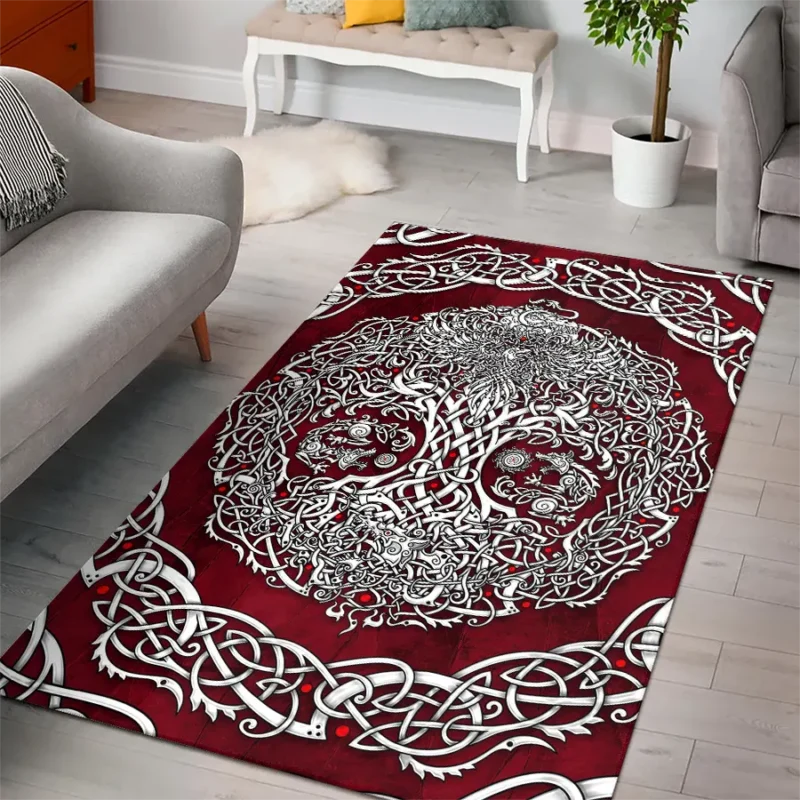
At the heart of this intricate artwork stands Yggdrasil, the legendary Tree of Life that connects the Nine Realms of Norse mythology. Formed from an elaborate network of interwoven branches, roots, and Celtic-inspired knotwork, the design symbolizes the deep connection between all things-past and future, life and destiny, earth and the divine. The striking contrast between the silver-toned patterns and the rich crimson background creates a sense of power and sacred mystery. Every twisting line reflects the Viking belief that strength comes from enduring hardships while remaining connected to one’s roots. It is a visual reminder that growth, wisdom, and resilience are born from the bonds that hold us together.
6. Multi-Purpose Functionality
Many modern Viking longhouses have various uses. They are not homes. People use some as guest lodges, event spaces, or even work studios. They adapt well, making them a smart choice for anyone looking for a unique and valuable property.
Why Choose a Modern Viking Longhouse?
1. Sustainable and Eco-Friendly Living
By utilizing natural materials and energy-efficient designs, modern Viking longhouses promote sustainable living. They use insulation techniques, renewable energy, and passive heating. These methods lower their environmental impact. Many designs also focus on off-grid features. This makes them perfect for anyone wanting to lower their carbon footprint.
2. Unique and Timeless Design
If you want a home that stands out, consider a Viking-inspired longhouse. It makes a unique architectural statement. It mixes history, function, and modern luxury. This makes it a great choice for homeowners looking for more than regular housing.

3. Durability and Longevity
Builders construct modern longhouses to withstand harsh climates. They keep the strong spirit of their Viking ancestors. If cared for well, these homes can last for generations, like the original longhouses did in the past. Many designs incorporate advanced weather-resistant materials, further increasing their longevity.
4. Connection to Heritage and History
If you love Viking history and Norse culture, a longhouse-style home connects you to the past. You can enjoy modern comforts while honoring those traditions. These homes provide a special historical experience. They are perfect for full-time living or vacation getaways.
5. Cost-Effective Building Options
Some may not believe it, but building a modern Viking longhouse can be quite affordable. Local materials and strong designs can lower maintenance and operating costs over time.
Conclusion
The modern Viking longhouse is a striking mix of traditional and modern design. These homes blend history with innovation. They use sustainable materials, open-concept designs, and eco-friendly technology. If you love Norse architecture or want a Viking-inspired home, consider the longhouse. It’s a great example of sustainable and communal living.
Are you interested in designing your own modern Viking longhouse? Share your thoughts in the comments below!

Explore Viking Longhouse Interiors: A Fascinating Glimpse Into Ancient Living
The Viking Age lasted from the late 8th century to the early 11th century. During this time, the Norse people explored, traded, and conquered new lands. Most of what we know about Vikings comes from their sea adventures. Yet, their daily lives focused on their homes, especially the Viking longhouse. These structures shaped daily life and showed their culture, social structure, and creativity. The Viking longhouse interior shows how these ancient people lived and worked. It gives us a glimpse into their lives in tough environments.