
Viking Blog
Viking Blood – 7 Powerful Symbols of Strength and Legacy
Jan
Viking blood sparks something old — a feeling of courage, adventure, and defiance. The Norse people sailed, fought, and explored for centuries. Their legacy endures in history and may flow through the veins of their descendants.
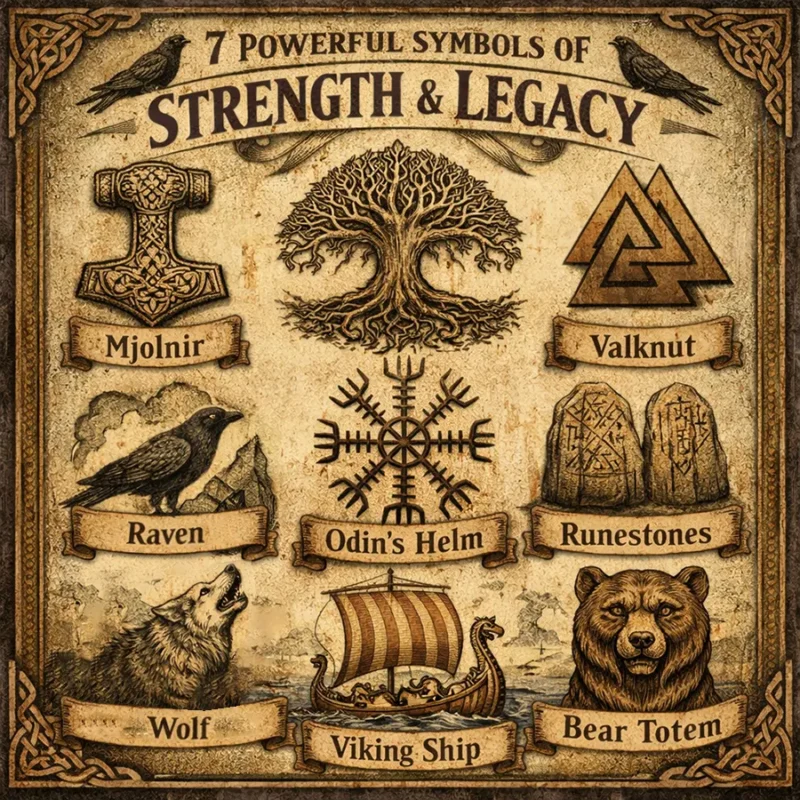
But Viking blood is more than ancestry. It’s a symbol of resilience, honor, and the will to endure against all odds. Here are seven powerful symbols. They reflect the spirit of discovery and the myths of Odin. These symbols capture the essence of Viking blood and its meaning today.
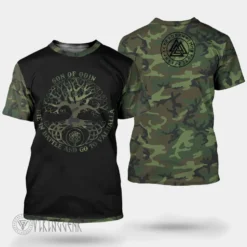
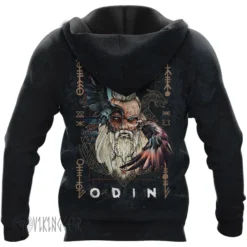
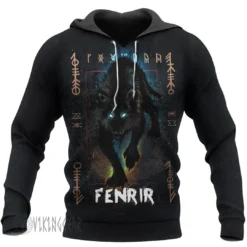
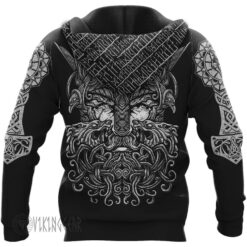

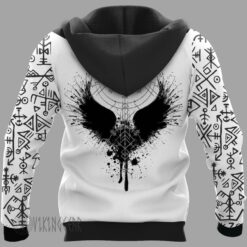
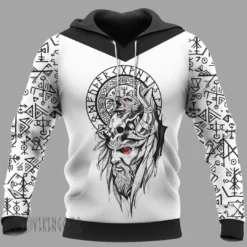
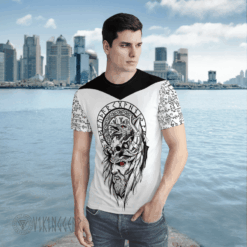
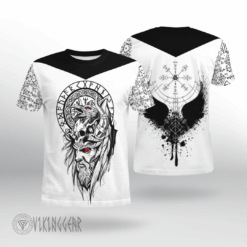
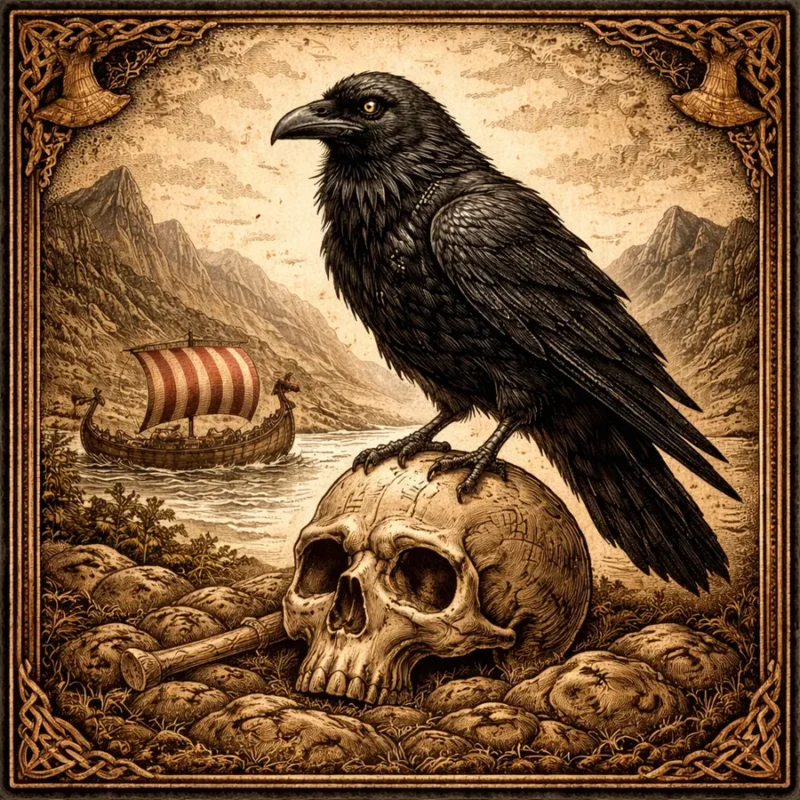
1. The Raven – Messenger of Odin
The raven is one of the oldest emblems tied to Viking blood. Odin, the Allfather, had two ravens: Huginn (thought) and Muninn (memory). They flew around the world to gather knowledge for him.
To the Vikings, ravens symbolized wisdom, war, and divine guidance. Warriors thought that spotting ravens before a battle meant Odin was watching. This brought them courage and clarity. Even now, the raven stands as a sign of intelligence and the eternal hunger for truth — a mark of true Viking spirit.
2. The Wolf – Power, Loyalty, and Chaos
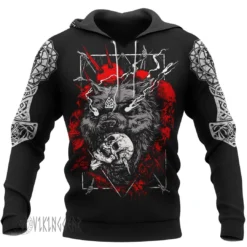
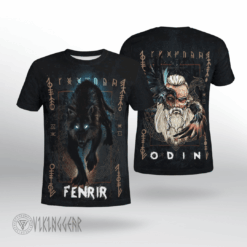
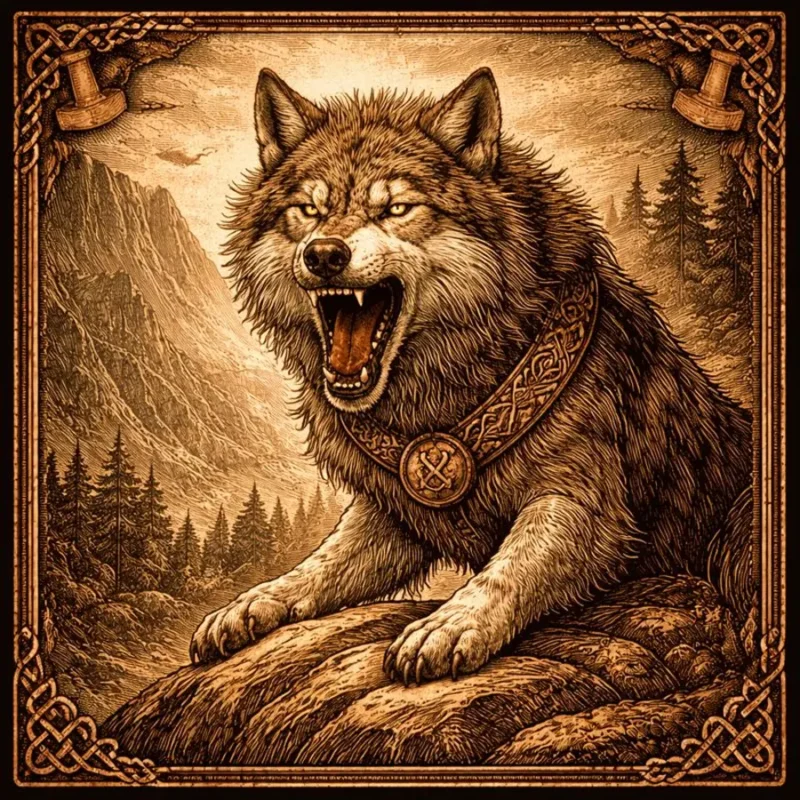
Few creatures embody Viking blood like the wolf. Fenrir, the monstrous wolf of Norse mythology, represents untamed power and destiny. Fenrir, feared by the gods, also represents strength beyond control. He embodies the raw energy of creation and destruction.
Wolves were also sacred to Odin, who was often accompanied by his loyal companions, Geri and Freki. Wolves meant loyalty to the pack for the Norse. They also represented fierce independence and the ongoing fight between freedom and fate.
3. The Axe – The Warrior’s Heart
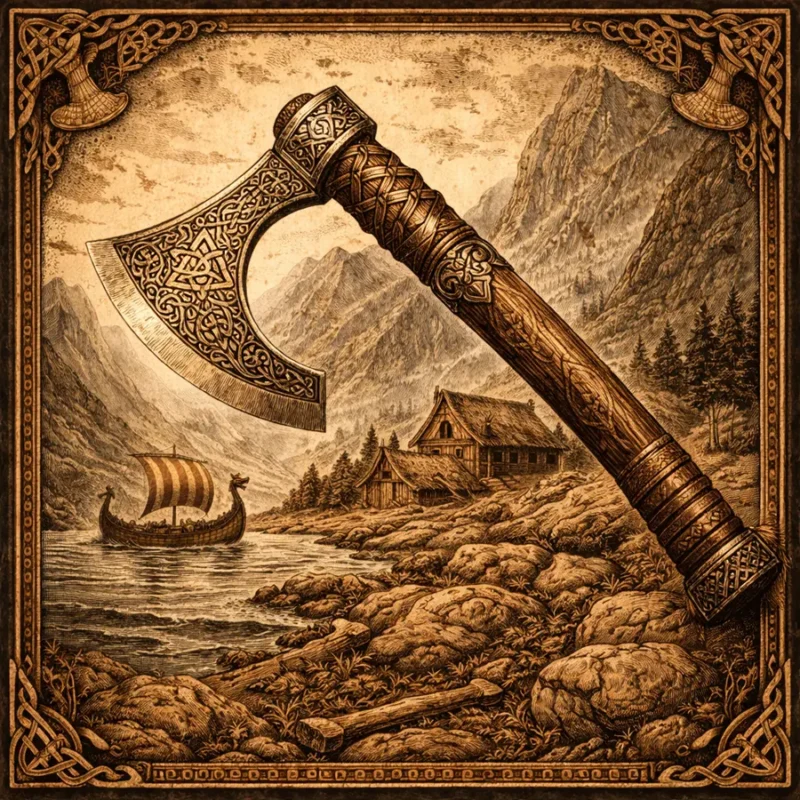
Nothing captures the essence of Viking blood better than the axe. It was more than a weapon — it was an extension of the warrior’s soul. The axe was simple, practical, and deadly. It symbolized equality in battle. Any man, whether rich or poor, could wield one.
Vikings named their axes and decorated them with runes. They believed these axes had spiritual power. To hold an axe was to carry one’s courage, destiny, and pride — the truest expression of Viking honor.
4. The Vegvísir – The Compass of the Soul
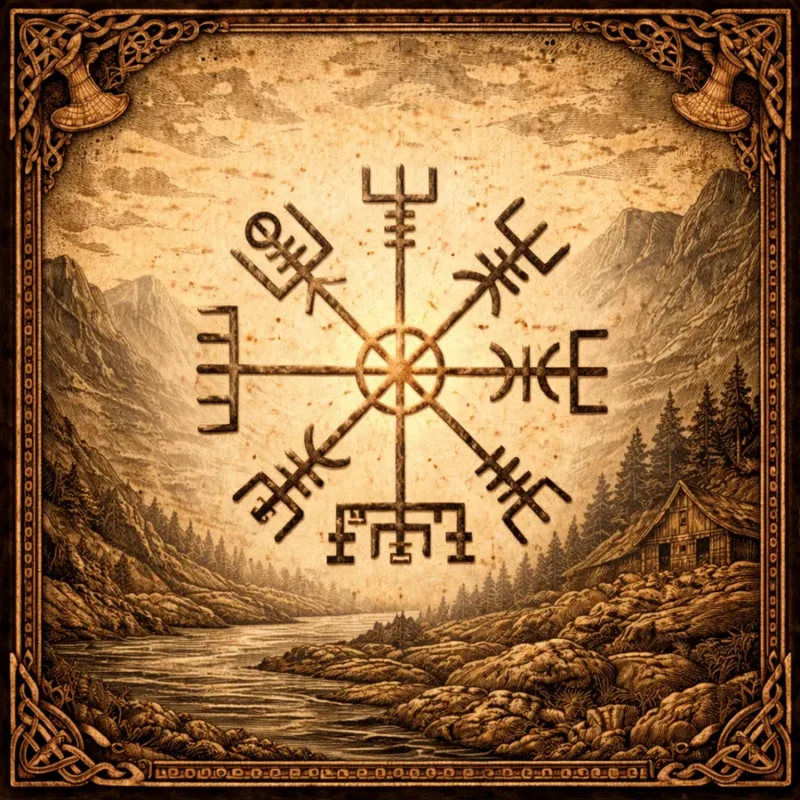
The Vegvísir, known as the Viking compass, was a magical symbol. It guided travelers during storms and times of uncertainty. For those with Viking blood, it stood for inner direction. It gave them the strength to stay steady, even in dark times.
Carved on wood, bone, or skin, the Vegvísir wasn’t a navigational symbol; it was a promise. An old manuscript from Iceland says, “If a person has this sign, they won’t lose their way in storms or bad weather.”
5. The Longship – Freedom and Destiny
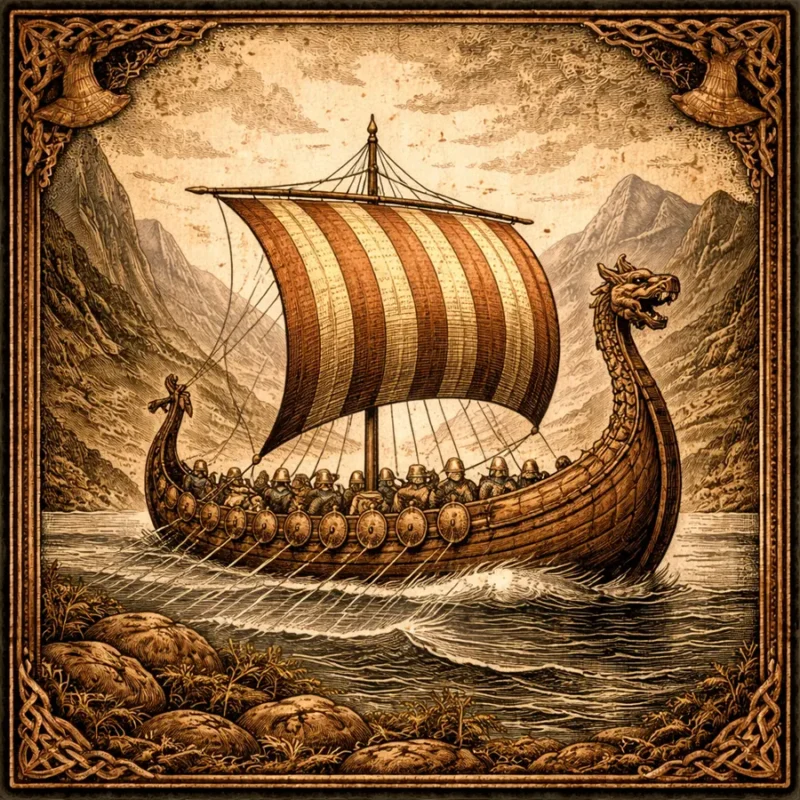
The Viking longship was central to Norse civilization. It symbolized movement, unity, and ambition. Made with precision, it transported the Viking legacy over oceans, from Norway’s fjords to the coast of North America.
Each ship held sacred significance. Carvers adorned its prow with dragons or beasts to protect the crew, and the winds of the gods filled its sails. To the Vikings, the sea was both a battlefield and a path to destiny — and the longship was their vessel of fate.
6. The Runes – Voices of the Ancestors
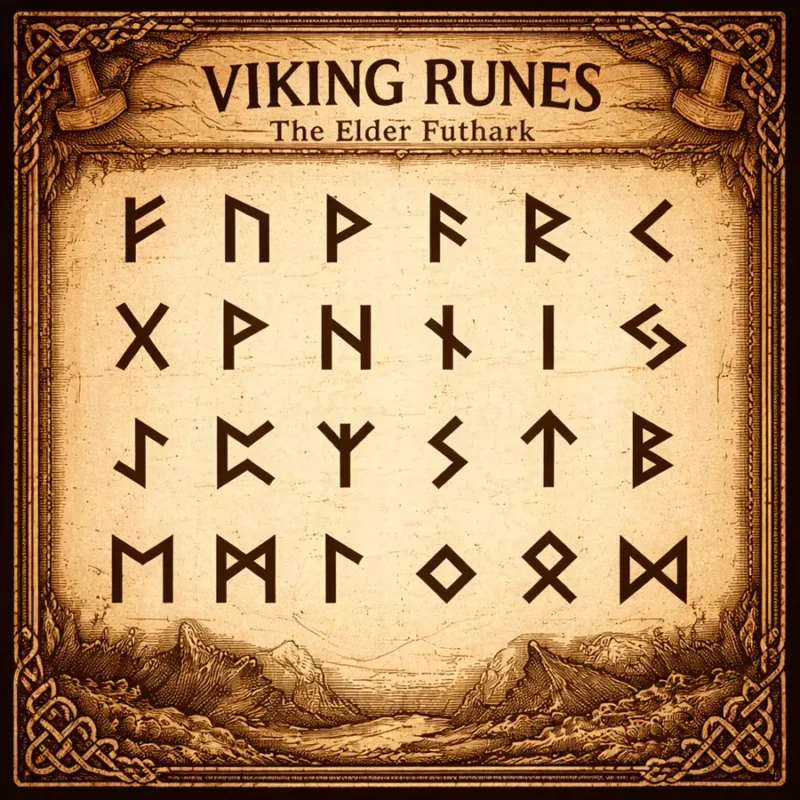
Runes were the written language of the Norse, carved into stone, wood, and weapons. People believed they held mystical power — each letter symbolized a divine force.
Vikings used runes to do more than record history. They cast spells, marked graves, and even spoke with the gods. The Elder Futhark runes represented fate, protection, strength, and wisdom. Tattoos and jewelry with runes still link people to their Viking roots. They bring whispers of ancestors into today’s world.
7. The Blood Oath – The Sacred Bond
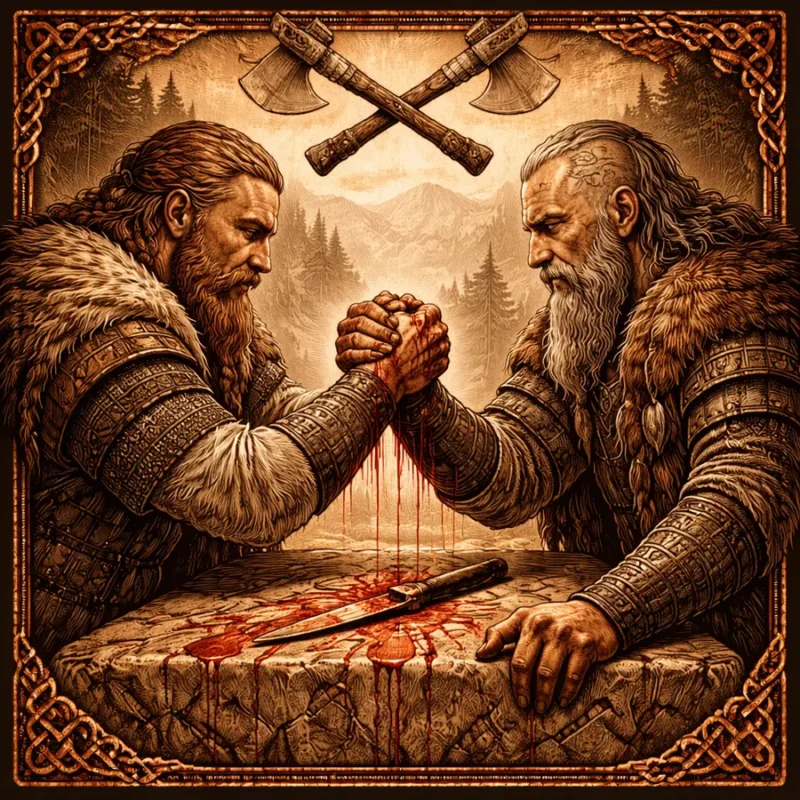
The truest symbol of Viking blood was blood itself. Warriors would cut their palms and press them together. This way, they mingled their blood to seal alliances or friendships in sacred oaths.
This ritual was more than symbolic; it was binding. To break a blood oath was to defy honor and risk the wrath of the gods. It showed that loyalty went beyond family ties. True Viking brotherhood came from courage, not birthright.
The Meaning of Viking Blood in Modern Times
Today, the idea of Viking blood goes beyond lineage. It’s not only about your ancestors. It’s also about the values you live by: courage, curiosity, loyalty, and endurance.
To say one has Viking blood is to carry that same fire — to face life’s challenges with strength and integrity. The Viking spirit appears in those who love art, embrace adventures, or overcome personal challenges.
Why Viking Blood Still Captivates the World
From TV shows to tattoos, the concept of Viking blood continues to inspire millions. It shows a desire for connection. We seek ties to nature, history, and the wild spirit within us.
In a fast and cozy world, the Viking ethos shows us the strength of simplicity, bravery, and belonging. The symbols of Norse heritage — wolves, ships, runes, and axes — aren’t relics. They are reminders that the strength of the past still flows through us today.
Conclusion – The Eternal Fire of Viking Blood
Viking blood wasn’t about conquest. It was about spirit, resilience, and the strong bond between people and the divine.
From ravens to runes, each symbol shares a clear message: life is a battle. Honor is its greatest victory. To have Viking blood is to walk that path — brave in heart, unyielding in soul, forever chasing the horizon.