
Viking Blog
Viking Clothing Modern Day: 7 Ways Norse Style Lives On Today
May
Viking culture has always intrigued people. Norse myths, runes, and legendary warriors continue to inspire art and design. Beyond ships and swords, Viking Age clothing also offers inspiration for modern fashion. From practical wool garments and layered outfits to decorative patterns and accessories, elements of historical Norse dress can be adapted into contemporary styles. Viking clothing modern day brings together this historical inspiration and today’s fashion preferences. Here are seven ways to incorporate a touch of Norse style into your wardrobe.
1. Wool and Natural Fabrics: Functional Fashion
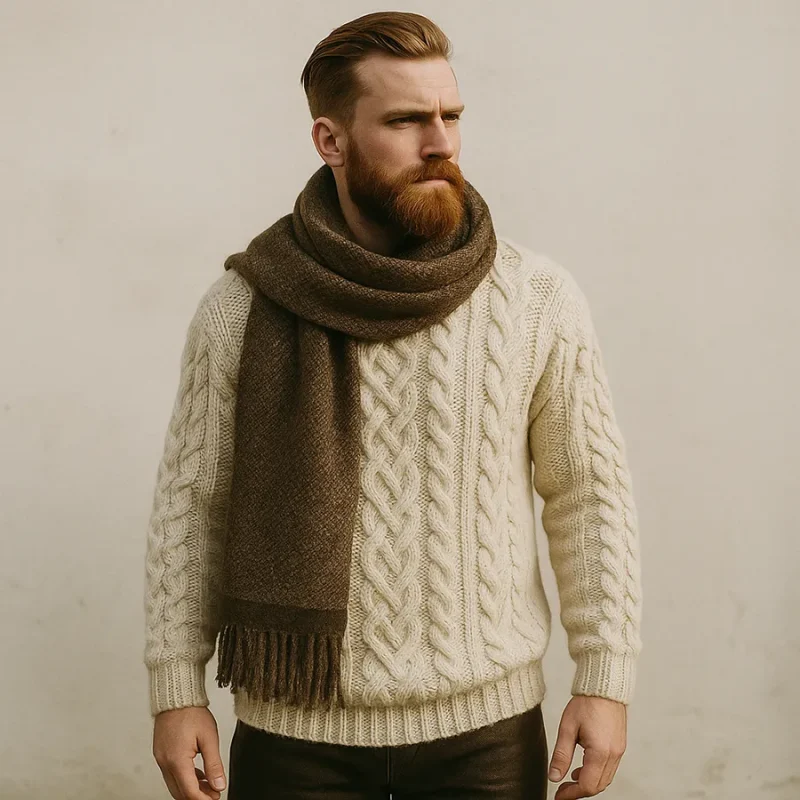
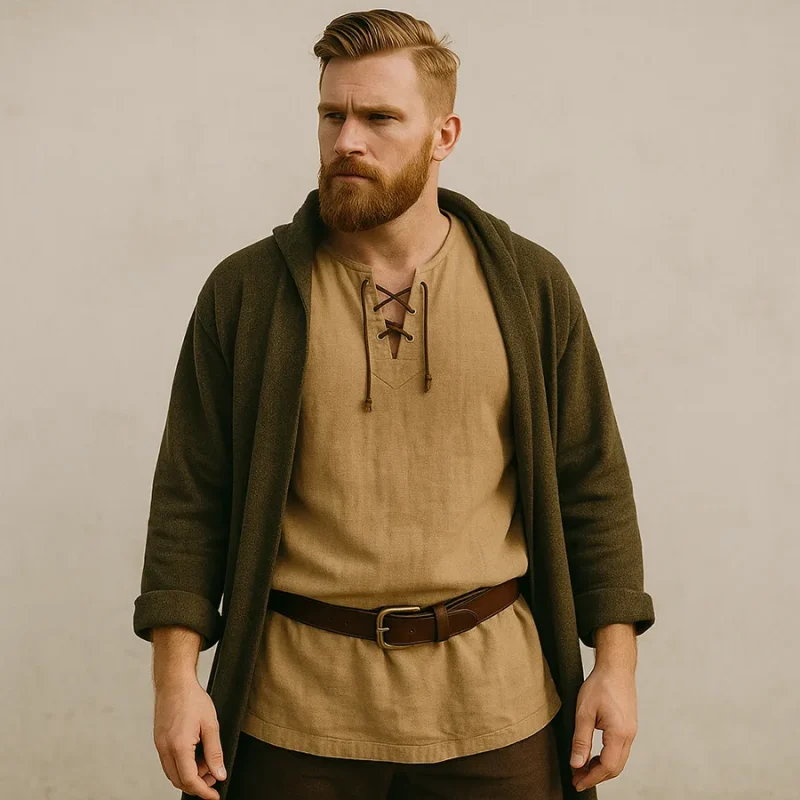
One of the core elements of Viking clothing modern day is the preference for natural, durable materials. Vikings preferred wool, linen, and leather. These materials kept them warm and stood up to the harsh northern climate. Today, these materials are back. People want eco-friendly clothing. It should be comfortable and durable.
- Modern Connection: Brands that focus on outdoor and heritage wear often use 100% wool or natural linen. This choice reflects Viking practicality. Chunky wool sweaters, handwoven scarves, and leather boots showcase Viking style.
- Style Tip: Choose quality natural fabrics and earthy tones to add subtle Norse vibes to your look.
2. Tunics and Layering
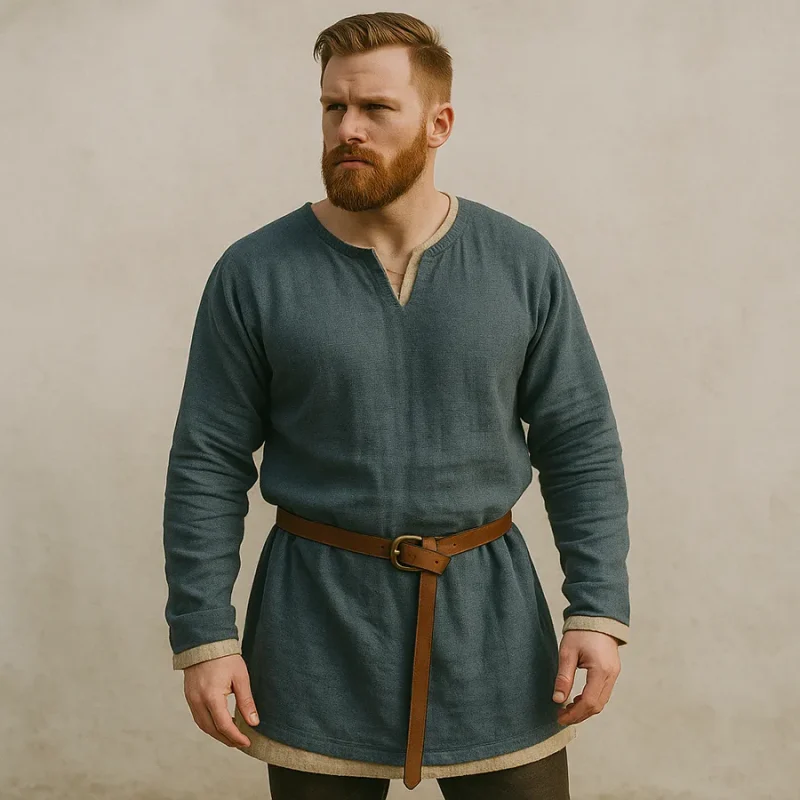
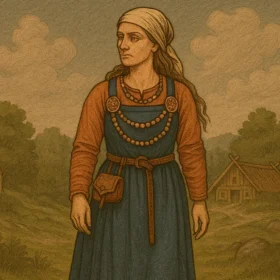
Tunics were an important part of Viking Age men’s clothing, commonly worn with trousers and sometimes paired with cloaks. Women typically wore dresses over undergarments or smocks, creating their own layered styles. In Viking clothing modern day, these historical silhouettes inspire longline shirts, tunic dresses, and layered casual outfits.
- Fashion Trend: Layered looks and oversized shirts remain popular in streetwear, while flowing tunics continue to appear in bohemian fashion.
- How to Wear: Try layering a long shirt or lightweight tunic over slim pants or leggings. Add a belt or simple outer layer for a modern Viking-inspired silhouette.
3. Embroidery and Decorative Detailing

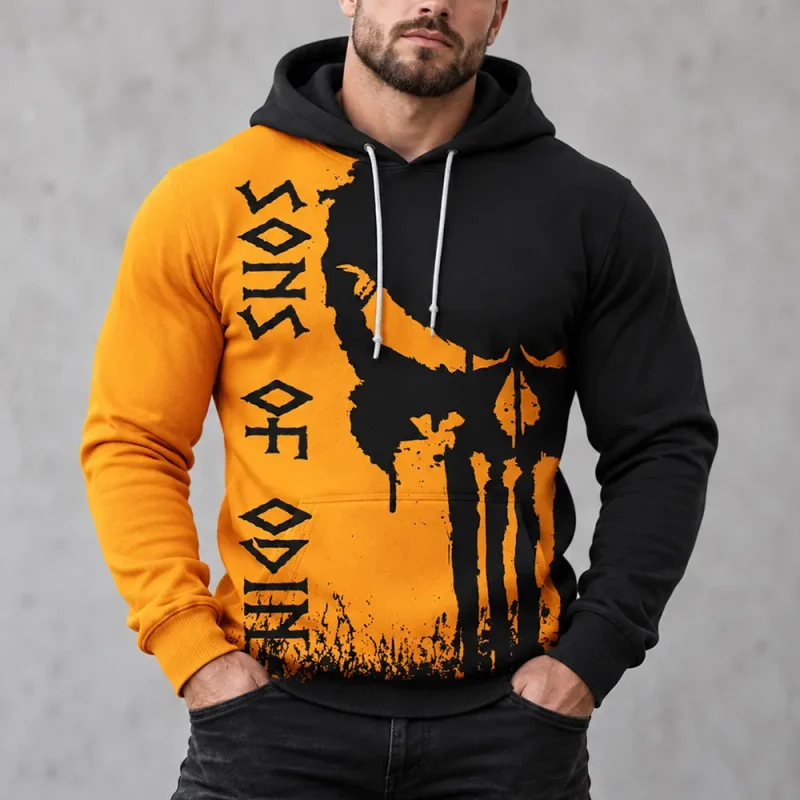
Some Viking Age garments featured decorative embroidery, woven bands, and intricate patterns, especially clothing worn by wealthy individuals. Archaeological finds, including the famous Mammen burial in Denmark, reveal elaborate textile decoration with animal motifs and colorful designs. While clothing styles varied across regions and social groups, these historical details continue to inspire Viking clothing modern day.
- Modern Embellishments: Look for clothing with decorative stitching, woven trims, or Norse-inspired patterns. These details can add a handcrafted feel to modern outfits.
- Get the Look: Try adding an embroidered belt, patterned jacket, or subtly decorated accessory to create a Viking-inspired style without recreating a full historical costume.
4. Cloaks, Capes, and Shawls
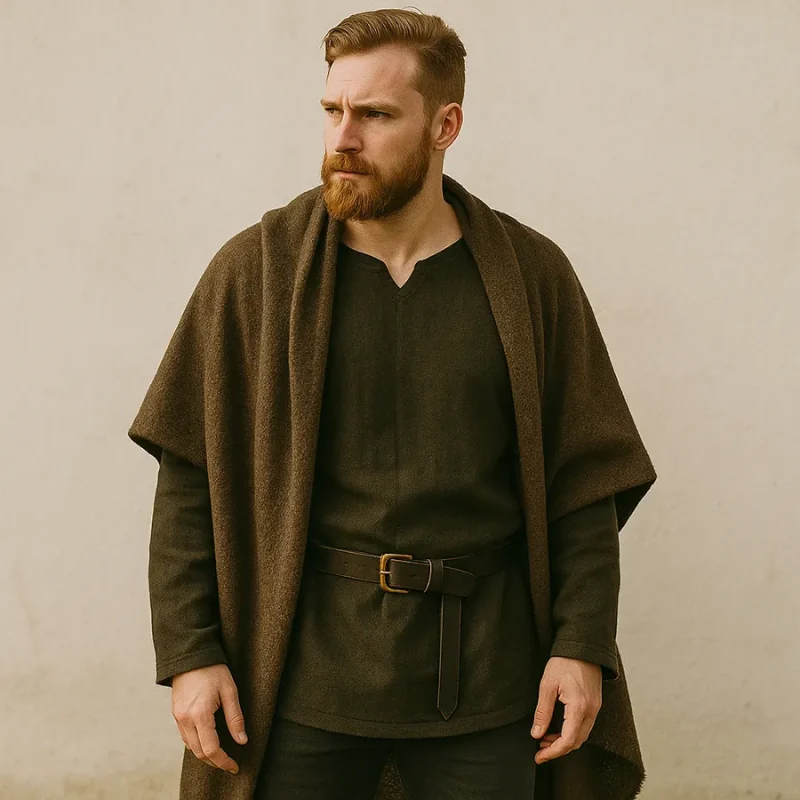
The iconic Viking cloak was both practical and stylish, providing warmth and protection. In modern fashion, cloaks, capes, and oversized shawls remain timeless choices.
- Winter Fashion: Wool capes and big shawls are back on the runways and city streets.
- Style Tip: Drape a heavy shawl or blanket scarf over your shoulders. This adds function and flair, echoing Viking outerwear.
5. Jewelry: Runes, Arm Rings, and Hammer Pendants
Vikings had unique jewelry. They wore arm rings, brooches, beads, and amulets. Many pieces showed Norse symbols, like runes or Thor’s hammer (Mjölnir). These ancient designs have found new life in Viking clothing modern day accessories.
- Modern Accessories: Runes and Norse symbols appear on rings, necklaces, and even tattoos.
- How to Wear: Select a bold pendant, thick bracelet, or rune ring to bring a touch of Viking style to any outfit.
6. Boots and Footwear

Practical footwear was essential during the Viking Age. Archaeological evidence shows that Norse people wore leather shoes and boots suited to everyday activities and northern weather conditions. Although modern rugged footwear may share a practical appearance, today’s boots should not be confused with historical Viking designs.
- Functional Fashion: Sturdy leather boots, simple lace-up shoes, and understated footwear can complement a modern Viking-inspired outfit.
- Style Tip: Choose comfortable leather boots with clean lines and minimal decoration. Pair them with earthy colors, layered clothing, or Norse-inspired accessories for a rugged everyday look.
7. Viking Clothing in Festivals and Reenactments
Beyond daily wear, Viking clothing modern day thrives in the growing community of historical reenactments, festivals, and LARP (Live Action Role Play) events. Enthusiasts fully embrace the Viking style. They wear tunics, trousers, cloaks, belts, brooches, and more.
- Cultural Revival: Events in Europe and North America celebrate Viking heritage. They feature authentic clothing made by skilled artisans.
- Join the Fun: If you’re new, attending a Viking festival in costume lets you experience Norse culture up close.
Why Viking Clothing Modern Day Endures
Viking clothing today isn’t popular for nostalgia. It shows a desire for authenticity, simplicity, and strength. Modern life often feels disconnected and artificial. Viking-inspired fashion helps us reconnect with our heritage, nature, and timeless style.
- Sustainability: Natural fibers and handmade details align with eco-conscious values.
- Individuality: Norse-inspired pieces stand out in a world of fast fashion.
How to Add Viking Influence to Your Wardrobe
- Start small: A rune necklace, wool scarf, or leather belt.
- Layer up: Experiment with tunics, capes, and textured fabrics.
- Support artisans: Buy from craftspeople who make historical or Viking-inspired clothing and jewelry.
Conclusion: The Living Legacy of Norse Style
Viking style is more than a costume – it’s a living, breathing influence in the world of Viking clothing modern day. Norse-inspired fashion keeps thriving. You might love it for its strength, simplicity, or symbolism. Wearing Viking clothing lets us honor history and the North’s charm – one outfit at a time.
Sources & Further Reading
- National Museum of Denmark – Clothes and Jewellery of the Vikings Explains Viking Age clothing, including tunics, dresses, cloaks, footwear, fabrics, and jewelry, based on archaeological finds and historical evidence.
- National Museum of Denmark – The Mammen Costume Examines an elaborate Viking Age costume discovered in the Mammen burial, featuring wool, silk, embroidery, and decorative woven bands.
- The Viking Ship Museum – Viking Age People Provides historical information about Viking clothing and accessories, including leather shoes, wool and linen garments, and differences in dress.