Viking Blog
Viking Compass Meaning: 7 Fascinating Facts About This Ancient Symbol
Jan
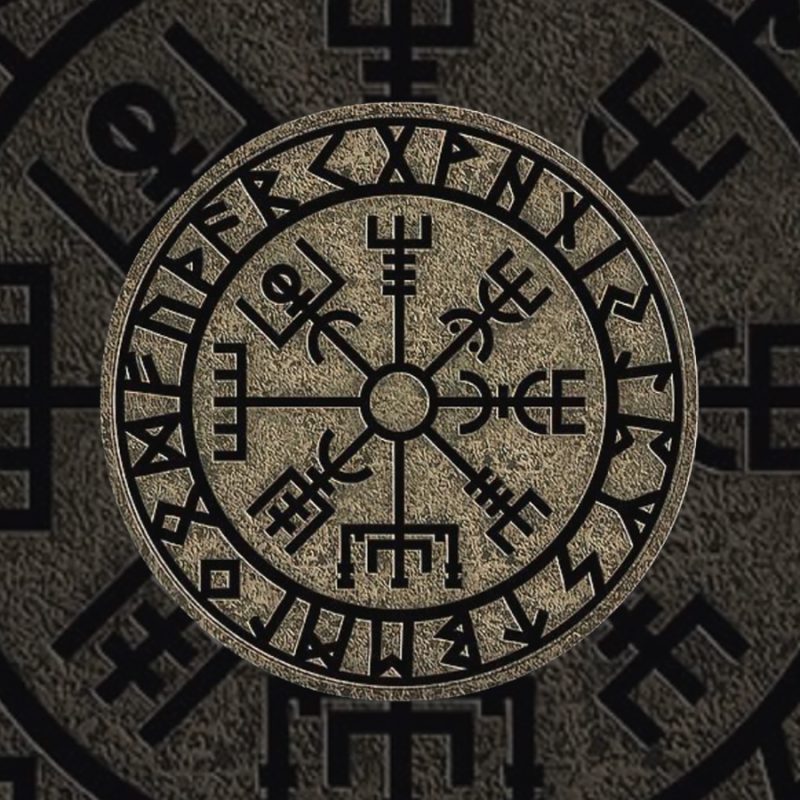
The Viking Compass, or Vegvísir, is a famous Norse symbol. It is both intriguing and mysterious. This ancient symbol, known as a “runic compass,” “wayfinder,” or Viking Compass Meaning, has deep significance. It has captivated historians, enthusiasts, and spiritual seekers. Here are seven fascinating facts about the Viking Compass and its enduring legacy









1. Origins of the Vegvísir
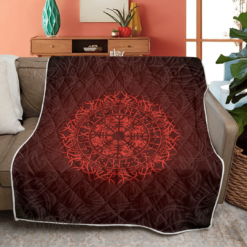
The name “Vegvísir” comes from Old Norse and translates to “that which shows the way.” The Huld Manuscript, a 19th-century Icelandic grimoire, first mentions the symbol. Scholars compiled the manuscript centuries after the Viking Age (800-1100 AD). Scholars believe it reflects older Norse traditions and beliefs. This suggests that the symbol itself may be much older than the manuscript that describes it.
The Vegvísir is often linked to Viking navigation. It symbolizes guidance and protection for travelers on unfamiliar, dangerous paths. It shows the Vikings’ seafaring skills and their beliefs.
2. A Tool for Navigation
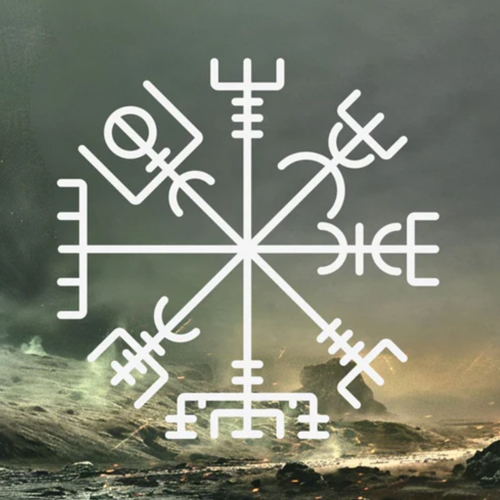
Norse seafarers were famous for navigating dangerous waters. They even reached North America. The Vegvísir is not a physical tool like a compass. People believe it to have been a spiritual or symbolic guide. Vikings used the stars, winds, and ocean currents to chart their courses. The Vegvísir may have reminded them to trust their skills and the gods’ protection on their journeys.
3. Symbolism and Protection
The Huld Manuscript says the Vegvísir helps the bearer. It will “never lose its way in storms or bad weather, even when the way is unknown.” This charm is powerful, and many believe it protects against misfortune. It was also a navigational aid meant to guide the bearer to their destination. Many believe that artisans carved it on ships, shields, or personal items. They did this to protect travelers, warriors, and anyone facing danger.
4. Runic Design and Interpretation
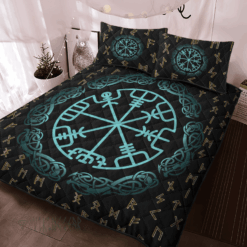
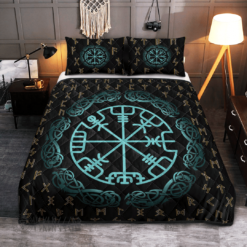
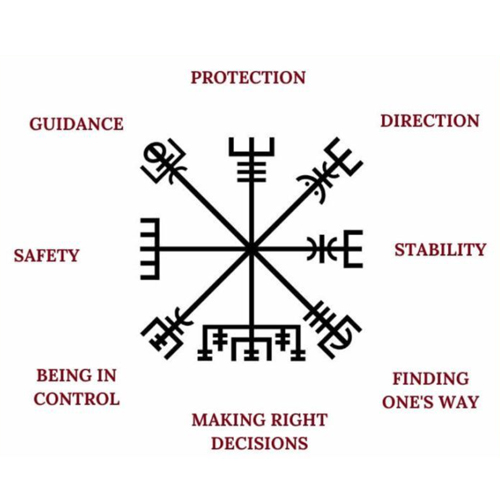
The Vegvísir has eight arms radiating from a center point. Each arm ends in a unique, runic-like shape. These shapes differ from the Norse futhark runes. This adds to the mystery of the symbol. The exact meaning of these shapes is still debated. Yet, they likely represent different directions, paths, or protective energies. The symmetrical layout shows balance and harmony. It symbolizes guidance and stability.
5. Modern Popularity and Usage
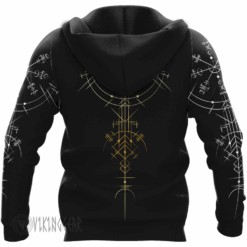
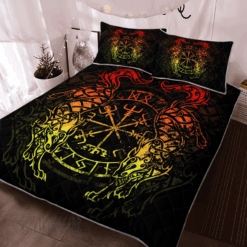
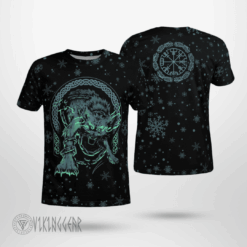
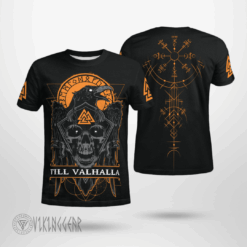
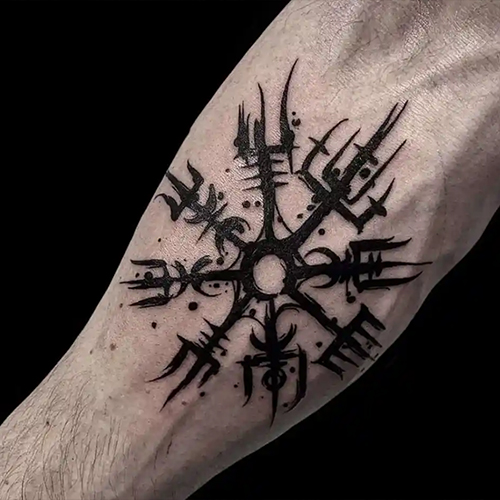
Today, the Vegvísir is a well-known symbol. It represents strength, resilience, and spiritual guidance. Those wanting a link to their Norse roots have embraced it. Powerful symbolism draws others to it. It is often found in tattoos, jewelry, and art. It serves as a reminder to overcome obstacles and stay true to one’s path.
A renewed interest in Norse myths and Viking culture has made the Vegvísir very popular. It is now a cherished symbol of heritage and identity.
6. Viking Compass Meaning and Connection to Norse Mythology
Surviving Viking-era texts do not mention the Vegvísir. Its themes of guidance and protection align with Norse mythology. Travelers and warriors often invoked gods like Odin and Thor. Odin was wise and magical. Thor was strong and protective. Norse tales often tell of epic journeys and battles with nature. These stories show how important it is to find your path, both in life and in spirit.
Some scholars speculate that the Vegvísir may come from earlier Viking symbols or magic. This would further connect it to Norse mythology and culture. It may distill the Norse worldview. It values facing challenges and navigating uncertainty. These were central to life.
7. Debates on Authenticity
One of the most debated aspects of the Vegvísir is its authenticity as a Viking symbol. Skeptics cite a lack of evidence and possible later tampering.
It aligns with Norse values and is part of Icelandic traditions. This suggests it might show older beliefs from lost oral histories. The debate shows the difficulty of interpreting historical and archaeological evidence. This is especially true for a culture that relied on oral tradition.
The Vegvísir’s origins are unclear. But it is a powerful symbol. It inspires people worldwide. Its lasting charm is its connection to a mysterious, adventurous past. It also offers guidance and hope for the future.
Conclusion
The Viking Compass, known as Vegvísir, represents guidance, protection, and resilience. A historical artifact, a mystical emblem, or a personal symbol of strength. Its meaning inspires and fascinates. It unites us with the spirit of the Vikings and their legacy.