
Viking Blog
Viking Flag: 5 Powerful Symbols That Define Norse Identity
Jun
The Viking Age was a time of daring exploration, intense battles, and cultural change. Viking longships and warriors spark our imagination. But the symbols on their banners and flags held deep meaning. These strong symbols shaped Norse identity. They showed loyalty and inspired fear or respect throughout Europe. Let’s explore the real story behind the Viking flag and five key symbols that still embody the spirit of the North.
Did Vikings Really Have Flags?
In popular culture, we often see Vikings charging into battle with bold flags. But what did a real Viking flag look like? Vikings didn’t use national flags like we do today. Historical records and archaeological finds show this. Yet, they did fly banners. These were sometimes called “vefils” or “merkis.” They displayed them on their ships, in longhouses, and during battles.
These flags were not decorations. They used strong symbols to show clan territory, signal leaders, or ask for the gods’ favor. Each Viking flag sent a message to friends and enemies. It held meaning that went beyond the battlefield.
1. The Raven Banner: Odin’s Sacred Bird
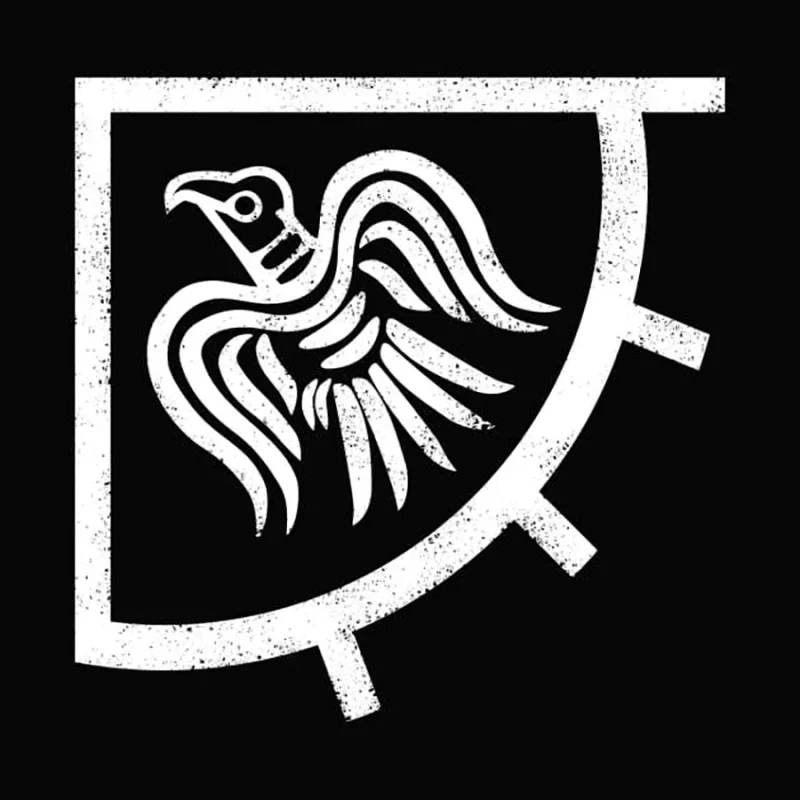
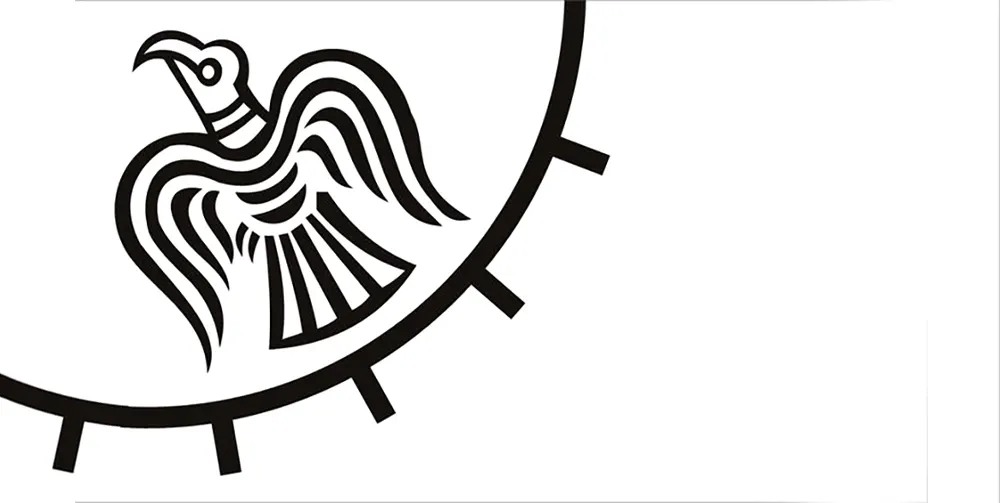
The Raven Banner was one of the most famous Viking flags. Norse leaders like Ragnar Lothbrok, Harald Hardrada, and Ragnar’s sons used it.
- Symbolism: Odin, the Allfather and god of war, wisdom, and fate, considered the raven sacred. In Norse mythology, Odin had two ravens named Huginn and Muninn. They flew around the world and brought him knowledge.
- Appearance: Historical accounts mention a triangular or swallow-tailed flag. This flag is often black and shows a stylized raven in flight.
- Meaning: The Raven Banner was thought to bring victory when it flew. But if it hung still, it meant doom. The flag linked Viking chieftains to divine power and the unpredictable hand of fate.
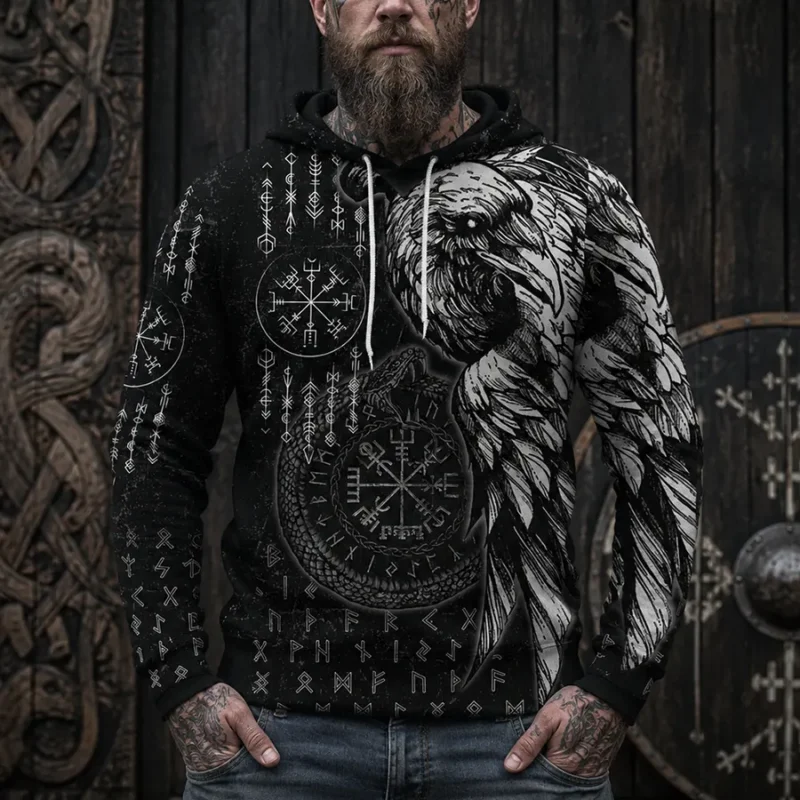
This dramatic composition brings together some of the most powerful symbols in Norse mythology. A watchful raven dominates the design, evoking the presence of Odin’s legendary messengers, Huginn and Muninn, who traveled the world gathering wisdom and knowledge. Beneath it, the Vegvisir stands as a symbol of guidance through uncertainty, while ancient runes reinforce themes of protection, fate, and spiritual strength. Encircling the compass is Jörmungandr, the Midgard Serpent, whose endless form represents the cyclical nature of existence and the forces that shape destiny. The striking black-and-white artwork captures the balance between wisdom and power, reminding us that every journey requires both courage and insight to navigate the unknown.
2. The Serpent and Dragon: Symbols of Power and Protection
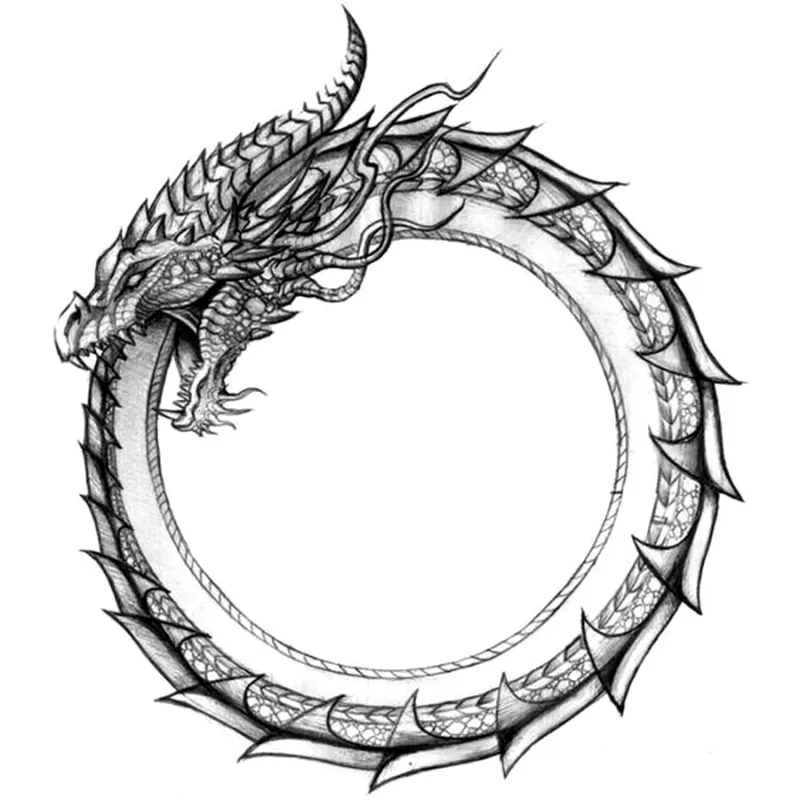
Dragons and serpents were prominent motifs on Viking longships and banners. A ship’s prow shaped like a fierce dragon or a serpent on a Viking flag wasn’t decoration. They were symbols of strength.
- Symbolism: In Norse legend, dragons such as Fafnir symbolize wisdom and danger. They also have the power to guard or destroy. Serpents like Jörmungandr wrap around the world. They symbolize the infinite and the unknown.
- Usage: Dragon flags were likely used by sea kings or elite warriors. They aimed to scare enemies and call on mythical protection.
3. The Valknut: The Knot of the Slain
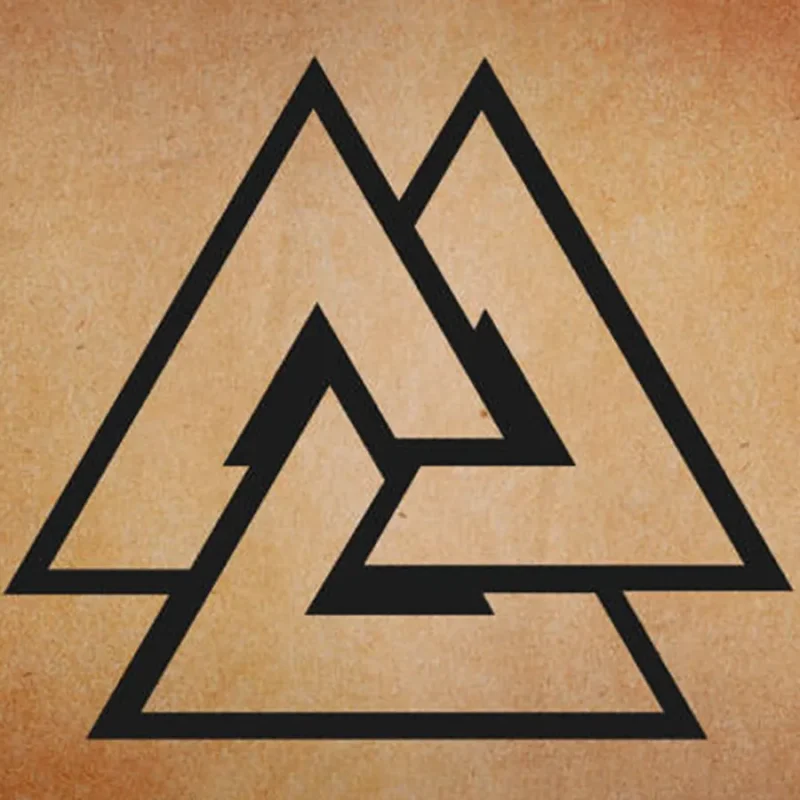
The Valknut is a symbol made of three interlocking triangles. You can find it on ancient rune stones. It links Odin and the afterlife.
- Appearance: The Valknut is simple but striking. Artists carved it into wood and stone, or displayed it on banners and shields.
- Meaning: Scholars interpret it as a sign of fallen warriors who would join Odin in Valhalla. On a Viking flag, the Valknut could invoke courage and the promise of glory after death.
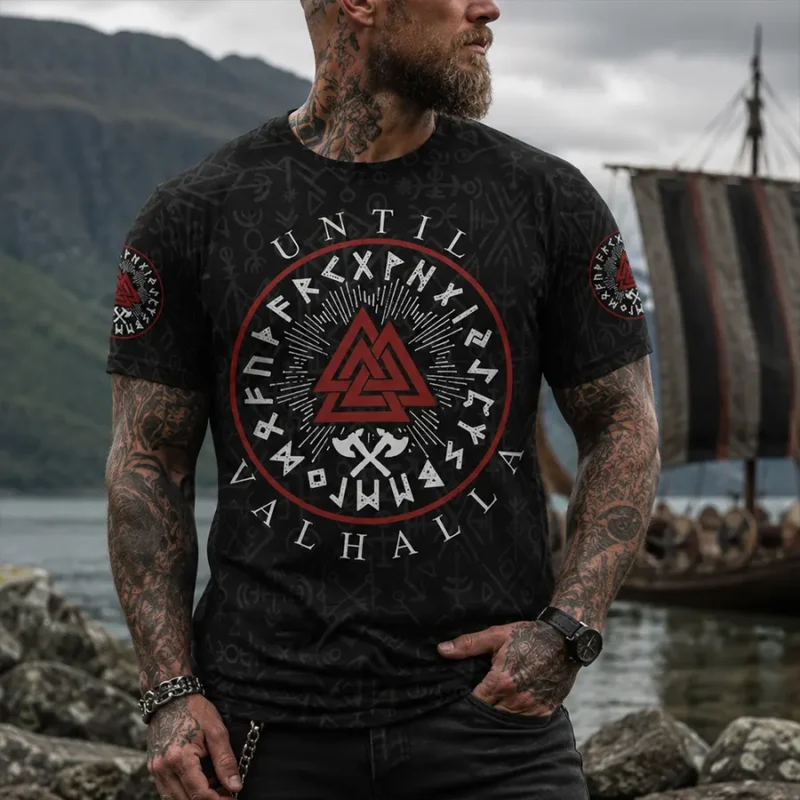
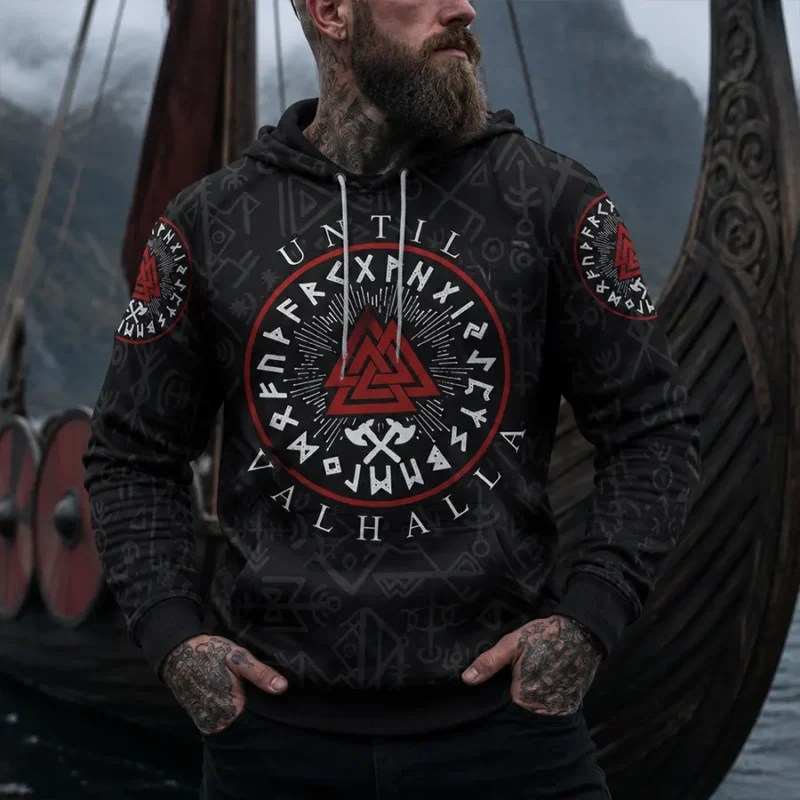
Centered around the Valknut, this design draws inspiration from the warrior traditions and spiritual beliefs of the Norse world. The interlocking triangles, closely associated with Odin and the journey to Valhalla, stand as a symbol of courage in the face of fate. Surrounding the emblem is a ring of runes, each carrying echoes of ancient wisdom, protection, and personal strength. Subtle rune patterns spread across the dark background, creating depth while reinforcing the connection to Viking heritage. The bold red and black palette evokes determination, sacrifice, and honor-qualities admired by those who lived by the warrior code. Together, these elements serve as a reminder that a meaningful legacy is forged through resilience, loyalty, and the willingness to stand firm through every challenge.
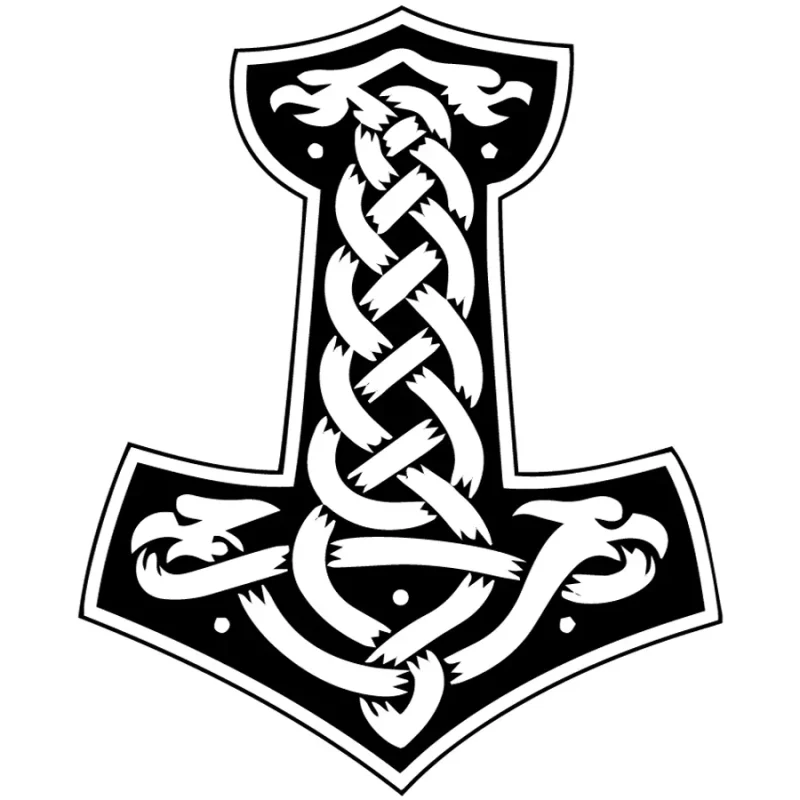
4. The Mjölnir (Thor’s Hammer): Defender of the Norse
Thor’s hammer, Mjölnir, was a symbol of protection, strength, and consecration. Worn as an amulet or depicted on banners, it played a vital role in Viking identity.
- Symbolism: Mjölnir blessed marriages and protected homes. People called on it for luck and safety in battle.
- Flags and Banners: A Viking flag with Mjölnir showed loyalty to Thor. It represented honor, resilience, and protection from evil.
5. The Norse Sun Wheel and Other Sacred Signs
Many Viking flags featured geometric and solar designs. These simple, strong patterns were easy to spot from afar.
- Sun Wheel: This old symbol represents the sun and the changing year. It’s linked to fertility and life’s cycles.
- Other Runes and Symbols: Banners often had runes for protection, strength, or victory. This made each flag special to its clan or leader.
- Cultural Meaning: These symbols strengthened the common identity of Norse communities. They linked people to nature’s cycles and the gods.

The Legacy of the Viking Flag
Few original Viking flags remain, but their symbols appear in art, jewelry, and the flags of today’s Scandinavian nations. The raven, dragon, and Mjölnir show up in many places, like sports team logos and tattoos. This shows how people are still fascinated by Norse heritage.
- Modern Inspiration: The “Viking flag” is a popular symbol. It draws in reenactment groups and festivals. It also appeals to those who want to embrace Norse strength and spirit.
- Cultural Connection: These symbols let people of Scandinavian descent celebrate their roots. They also help keep Viking stories alive for new generations.
Conclusion: More Than Just a Banner
A true Viking flag was never fabric and paint—it was a proclamation of identity, faith, and power. From Odin’s sacred ravens to Thor’s mighty hammer, these five symbols showed what it meant to be a Viking. Today, they inspire courage, unity, and adventure. They show us that the North’s legacy lives on in stories and in the flags that sailed through history.

Viking Symbol for Family: Unveiling 8 Mythical Marks of Norse Kinship and Legacy
When thinking of Vikings, we often picture Thor’s thunder, Loki’s cunning, or Odin’s wise gaze. Beneath these legendary figures is another key part of Norse culture: family. This aspect is quieter but as important.
In the tough Viking Age landscapes, people saw kinship as sacred, not just important. The Viking symbol for family was more than a design. It served as a sacred mark of identity, protection, and continuity. The Norse people created a rich tapestry of symbols. These symbols, from runes to sacred emblems, honored family strength and generational legacy.
In this article, we look at 8 Viking symbols that are both mythical and meaningful for families. Each symbol comes from the ancient wisdom of Norse mythology.