
Viking Blog
Symbols of the God Odin: 8 Sacred Icons of Wisdom and War
Aug
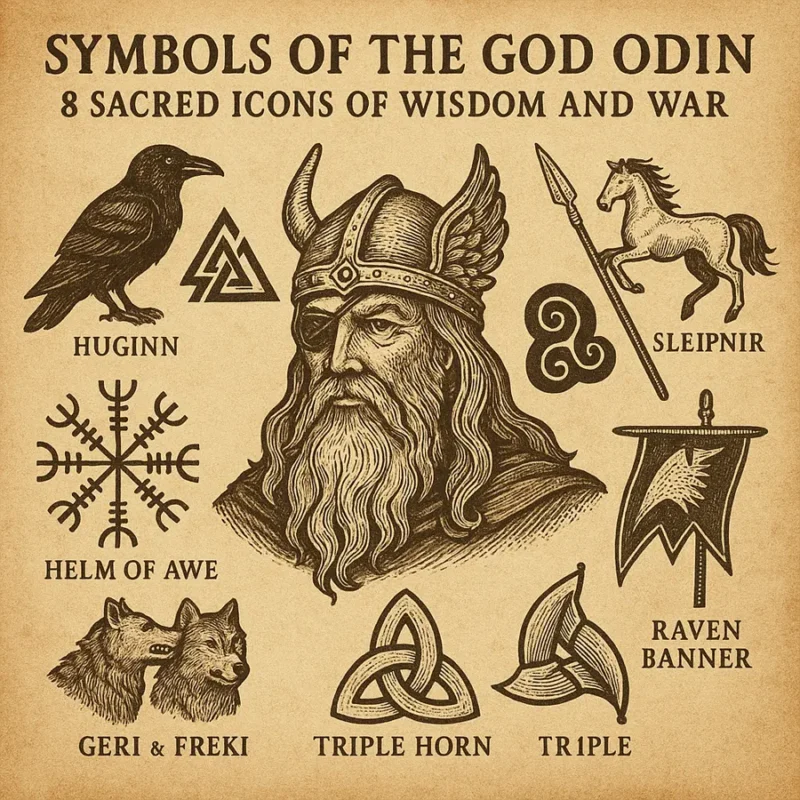
Odin, the All-Father of Norse mythology, was more than a god of war. He embodied wisdom, magic, poetry, and sacrifice. For the Vikings, the symbols of the god Odin were powerful reminders of his presence in daily life and battle. These icons came from sagas, runes, and myths. They served as religious symbols and offered guidance, courage, and protection.
Here are eight sacred symbols of the god Odin, each carrying deep meaning for the Norse people.
The Valknut – Knot of the Slain
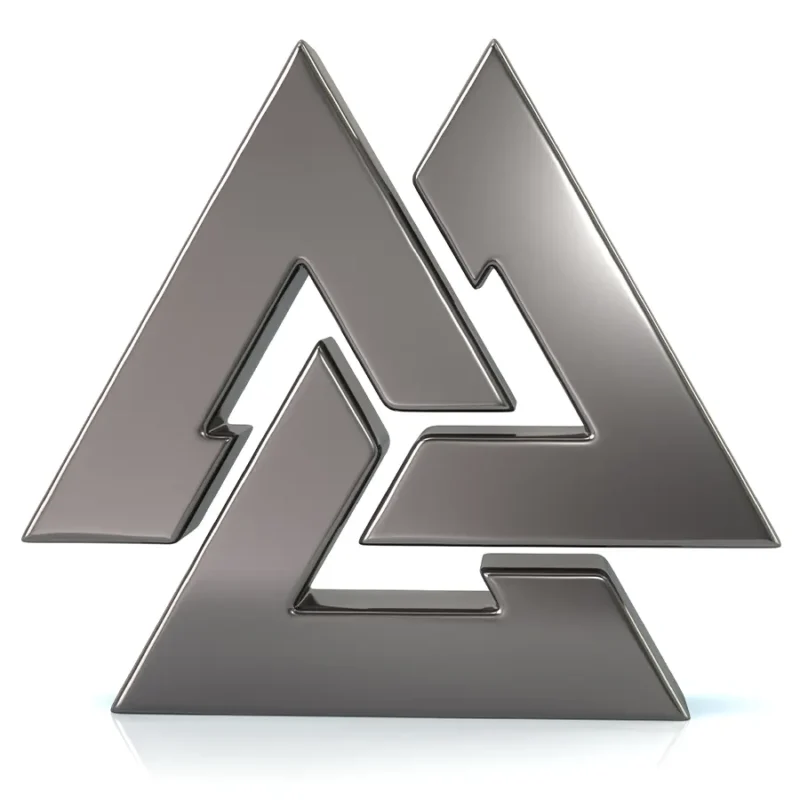
The Valknut is one of the most recognizable symbols of the god Odin. The symbol has three interlocking triangles. It stands for death, transition, and the connection between life and the afterlife. The Valknut appears on burial stones and artifacts. Odin connects to it in a complex manner, as he receives fallen warriors into Valhalla.
It symbolized courage in the face of death and loyalty to the All-Father.
Huginn and Muninn – Odin’s Ravens
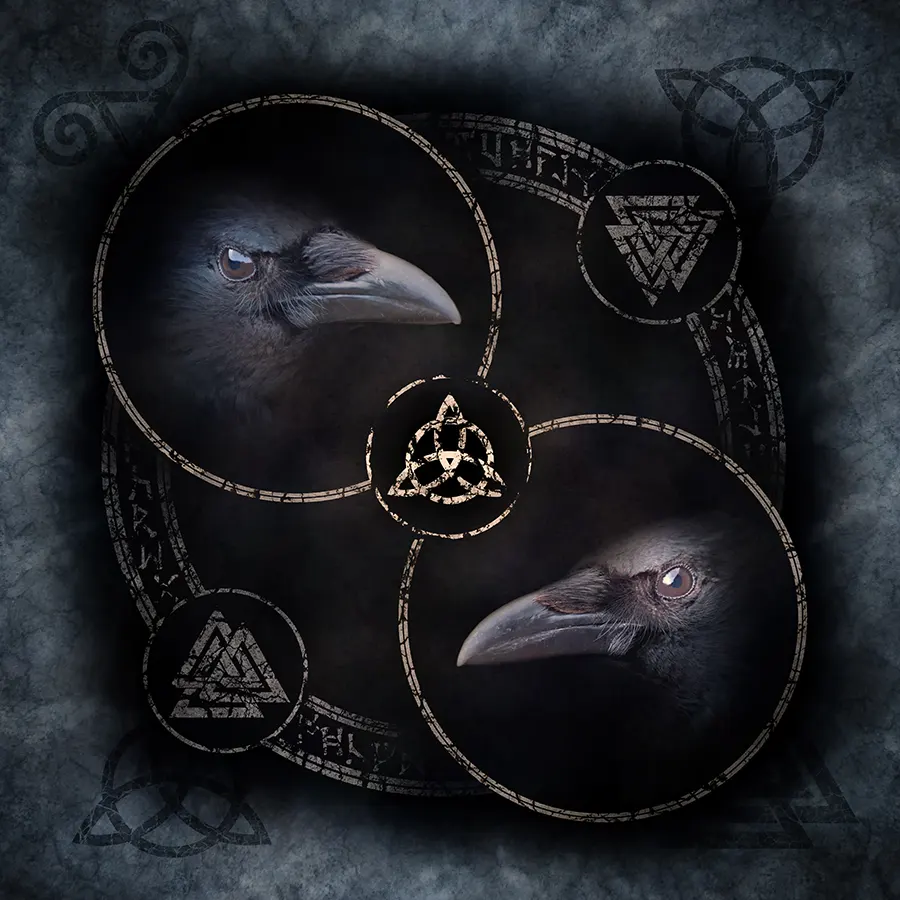
Odin often had two ravens on his shoulders: Huginn (“thought”) and Muninn (“memory”). These birds flew around the world daily. They returned with news, whispering their findings into Odin’s ears.
They reflect his endless pursuit of wisdom and knowledge. As symbols of the god Odin, they remind us that thought and memory are powerful weapons, as important as swords or axes in Norse life.
Gungnir – The Spear of Destiny
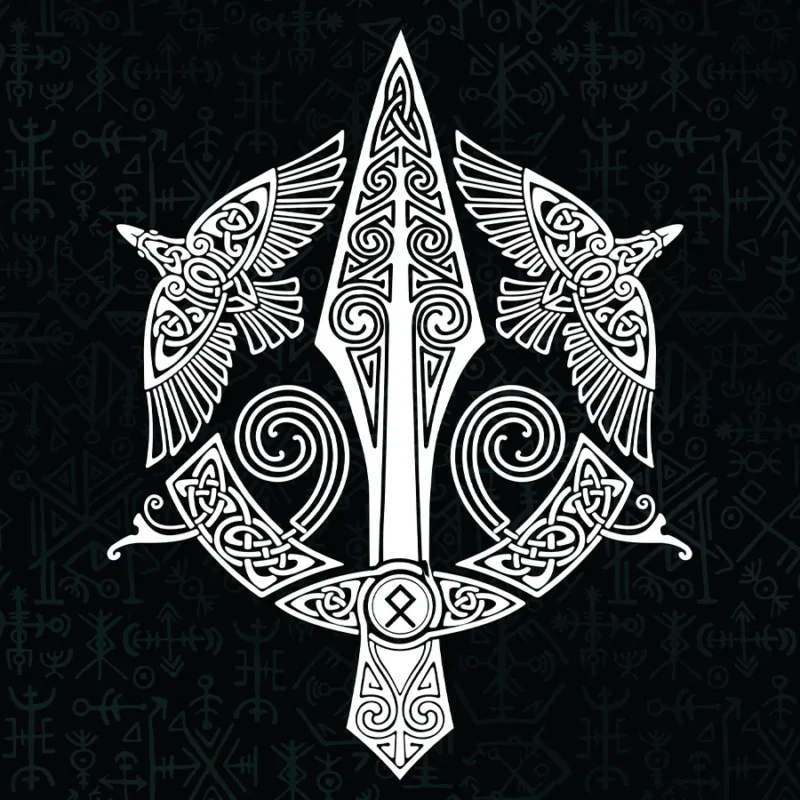
Odin’s weapon, Gungnir, was a spear crafted by the dwarves, said to never miss its mark. It symbolized divine authority, precision, and unbreakable will. Warriors believed that carrying a spear connected them to Odin’s might.
As one of the strongest symbols of the god Odin, Gungnir represents not only physical power but also the sharpness of intellect and fate.
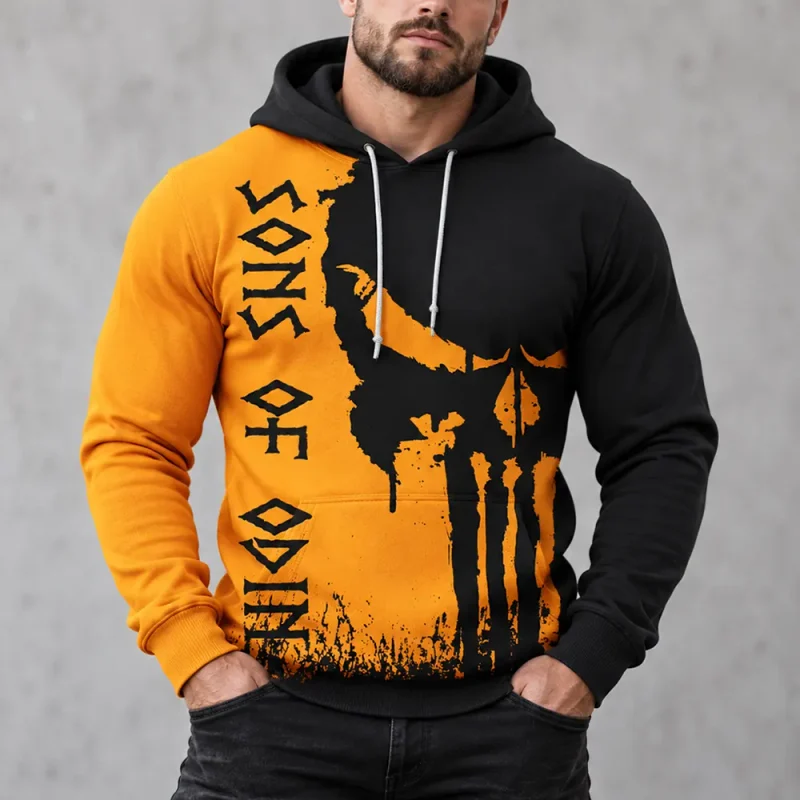
Wear the Spirit of Odin
Inspired by Norse mythology, the Sons Of Odin Skull Viking Hoodie brings bold warrior-inspired style to your everyday wardrobe.
Yggdrasil – The World Tree
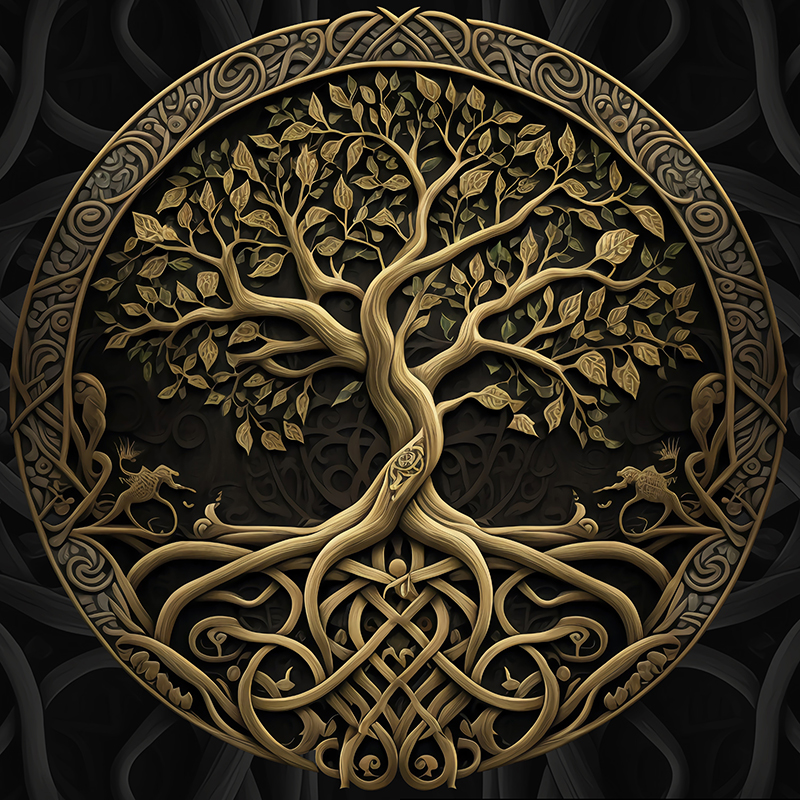
The cosmic tree Yggdrasil was the axis of the Norse universe, connecting all nine realms. The name means “Odin’s horse.” It refers to his sacrifice when he hung on the tree to learn the runes.
Among the symbols of the god Odin, Yggdrasil represents sacrifice, endurance, and the eternal cycle of life and death. It is a reminder that true wisdom often comes at a great personal cost.
The Rune Letters – Secrets of Magic
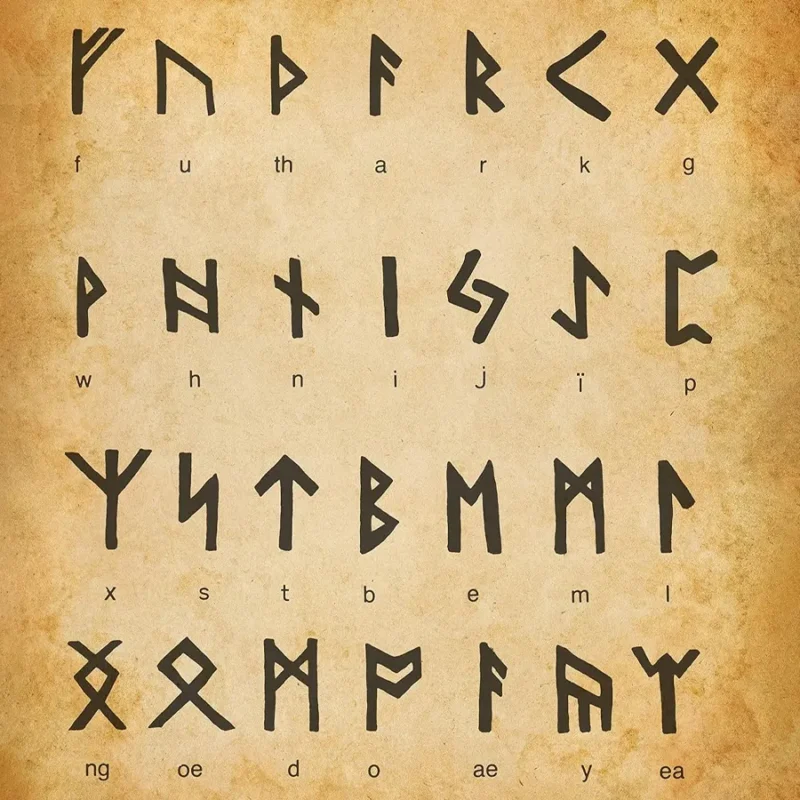
Runes were not only letters but also mystical symbols tied to fate and magic. Myth tells us that Odin hung on Yggdrasil for nine nights. He did this as a sacrifice to gain knowledge of the runes.
Because of this, the runes became sacred symbols of the god Odin, embodying wisdom, prophecy, and the mysteries of the cosmos. To carve or cast runes was to tap into Odin’s gift.
Sleipnir – The Eight-Legged Horse
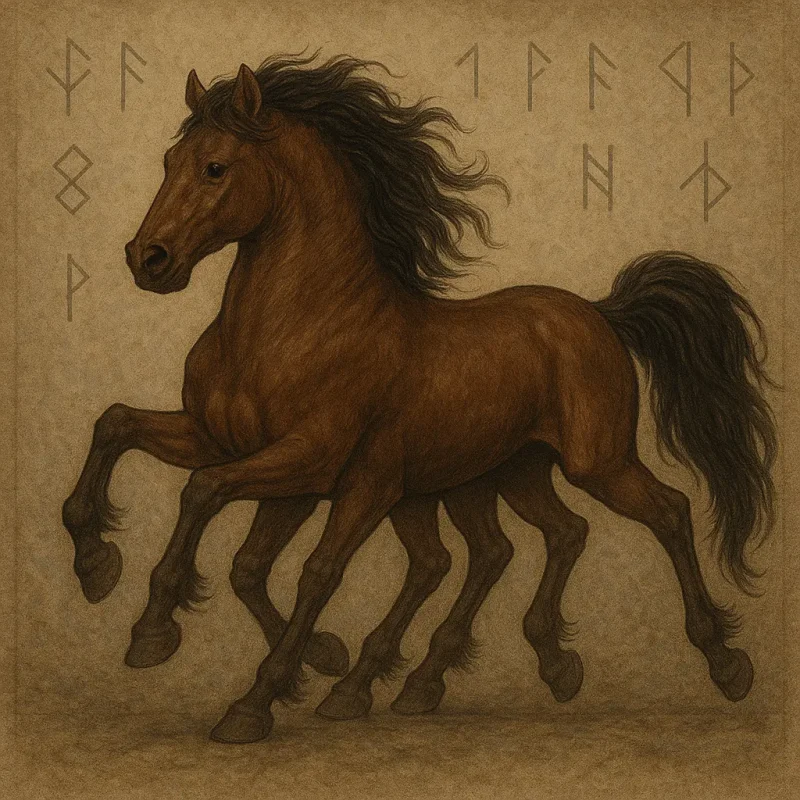
Odin’s horse, Sleipnir, was special. It had eight legs and incredible speed. Sleipnir could even travel between worlds. Sleipnir, born from Loki’s shapeshifting, represented movement and shamanic journeys. He could cross the boundaries between life and death.
As one of the symbols of the god Odin, Sleipnir embodied the god’s role as a wanderer and seeker of hidden knowledge.
The Eye of Odin – Sacrifice for Wisdom
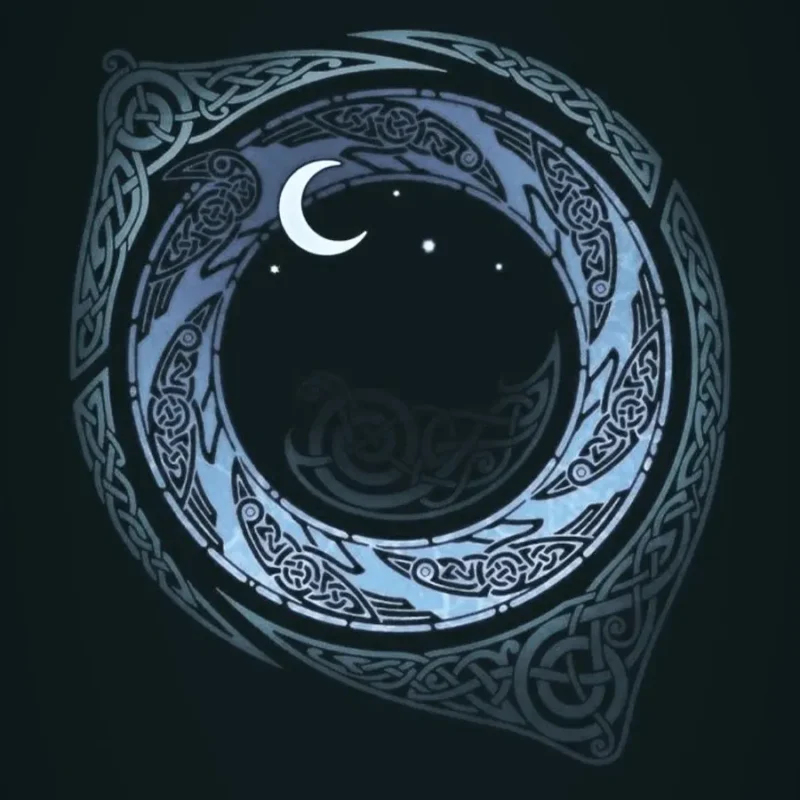
Odin is well-known for sacrificing one of his eyes in exchange for wisdom at Mimir’s well. His missing eye became a living reminder that wisdom comes through sacrifice.
This act is a powerful symbol of Odin. It shows a willingness to give up physical sight for a deeper grasp of truth and fate.
The Wolves Geri and Freki – Companions of the Gods
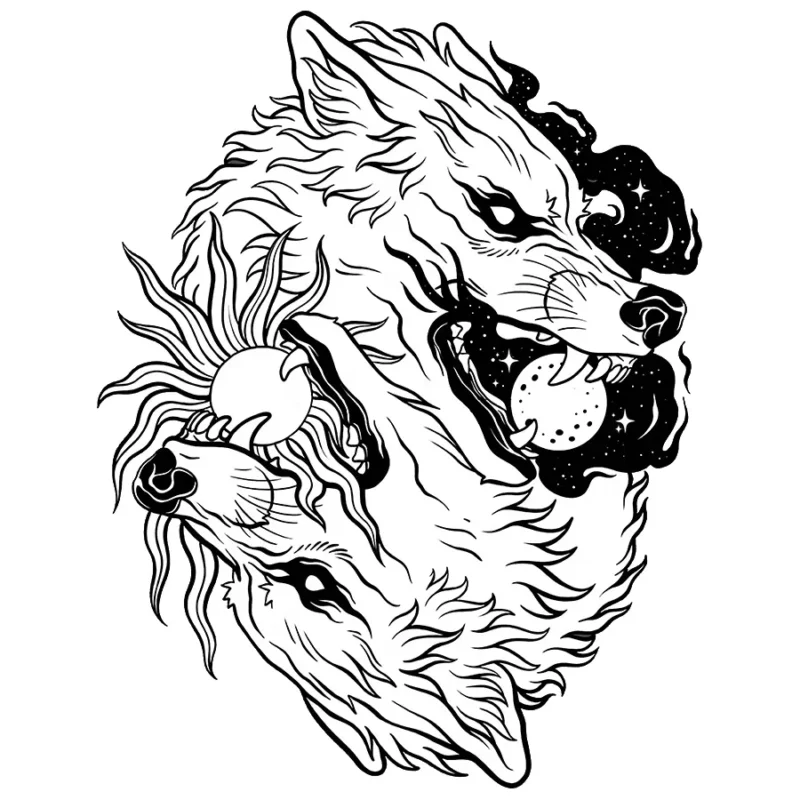
Odin was also accompanied by two wolves, Geri and Freki, whose names mean “the ravenous” or “greedy.” While Huginn and Muninn symbolize intellect, the wolves represent primal strength and loyalty.
Together they complete Odin’s duality: wisdom and war, thought and hunger, spirit and flesh. They remain enduring symbols of the god Odin, embodying the balance between savagery and control.
Why Symbols of the God Odin Still Matter
These ancient symbols held great meaning for the Norse. They connected daily life to their gods and myths. The symbols of the god Odin told stories of courage, sacrifice, knowledge, and fate. They guided warriors in battle, poets in song, and farmers in faith.
Even today, they resonate as reminders of resilience and wisdom. Odin’s legacy lives on through sacred symbols. From the Valknut to Yggdrasil, these symbols bring strength and reflection. Gungnir and the ravens Huginn and Muninn also inspire us. They remind us that myth is more than stories; it’s a lasting influence.
Conclusion – The Legacy of Odin’s Icons
Odin was more than a war god; he was a seeker of truth, a master of magic, and a guide for mortals and gods alike. The symbols of the god Odin reveal these many facets. Each symbol – raven, spear, tree, or rune – holds power. They teach Vikings to value courage, wisdom, and sacrifice.
As long as we remember these symbols, the All-Father’s influence endures. They remain timeless icons of wisdom and war, echoing the spirit of the Norse people.
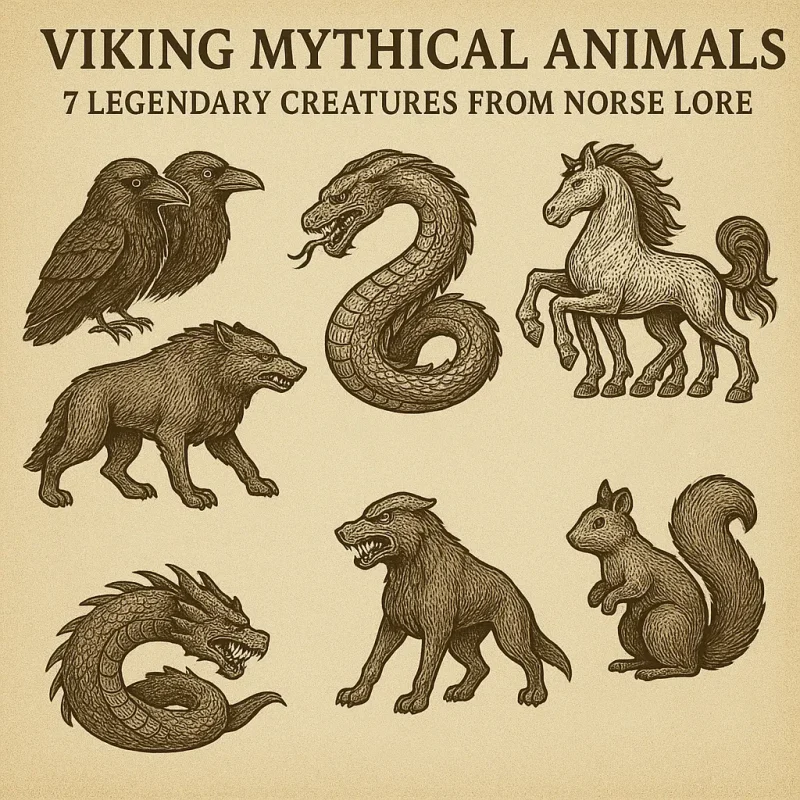
Viking Mythical Animals: 7 Legendary Creatures from Norse Lore
Viking legends are rich with gods, heroes, and epic battles. But the mythical animals of Norse mythology spark the imagination. These legendary creatures symbolize power, chaos, and fate. They were crucial in stories that formed Viking beliefs. These tales inspired awe for generations. Let’s explore seven of the most famous Viking mythical animals, their stories, and the deep symbolism they hold for the Norse people.