
Viking Blog
Viking Mythical Animals: 7 Legendary Creatures from Norse Lore
Jun
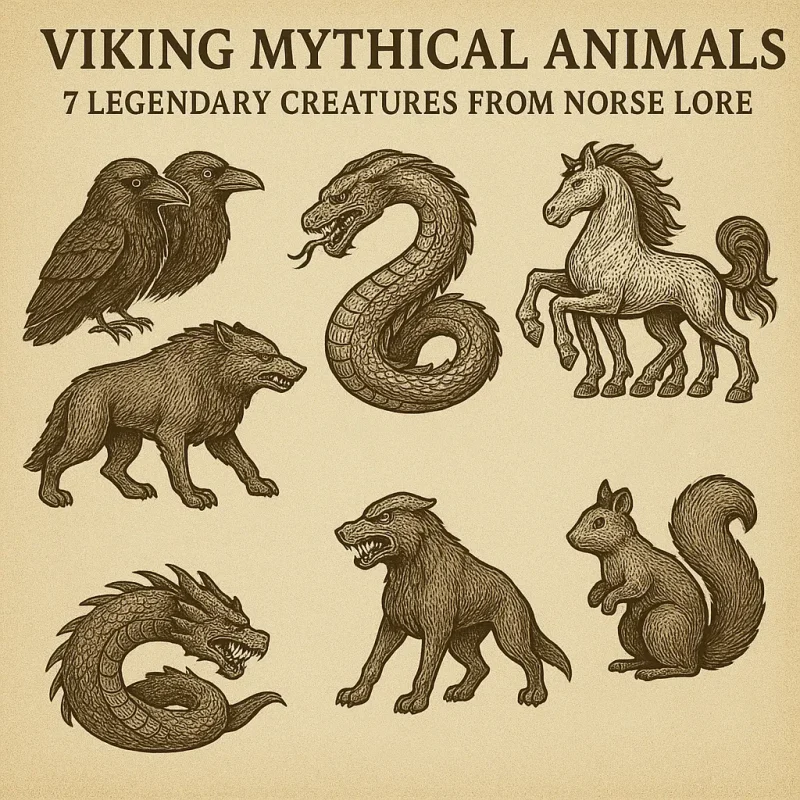
Viking legends are rich with gods, heroes, and epic battles. But the mythical animals of Norse mythology spark the imagination. These legendary creatures symbolize power, chaos, and fate. They were crucial in stories that formed Viking beliefs. These tales inspired awe for generations. Let’s explore seven of the most famous Viking mythical animals, their stories, and the deep symbolism they hold for the Norse people.
1. Fenrir – The Monstrous Wolf
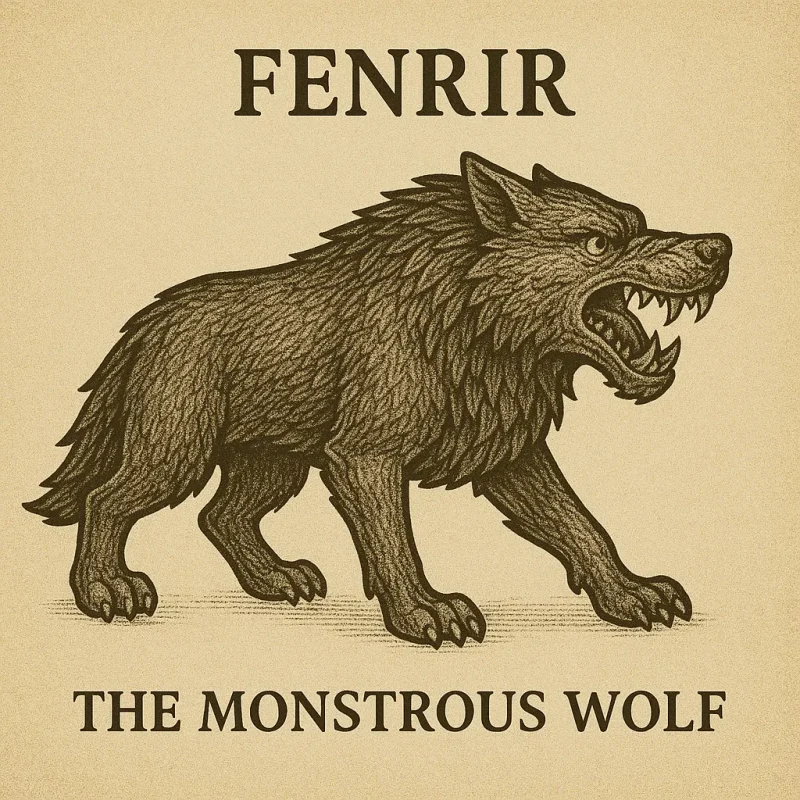
Among all Viking mythical animals, Fenrir stands out as one of the most feared and revered. Fenrir is a gigantic wolf, the son of the trickster god Loki and the giantess Angrboda.
- Role in Myth: Prophecies said Fenrir would become very powerful. He would break his chains and eat Odin, the Allfather, during Ragnarok, the world’s end.
- Symbolism: Fenrir stands for the wild forces of chaos and fate. He tells the Vikings that change will happen. He urges them to confront it with courage.
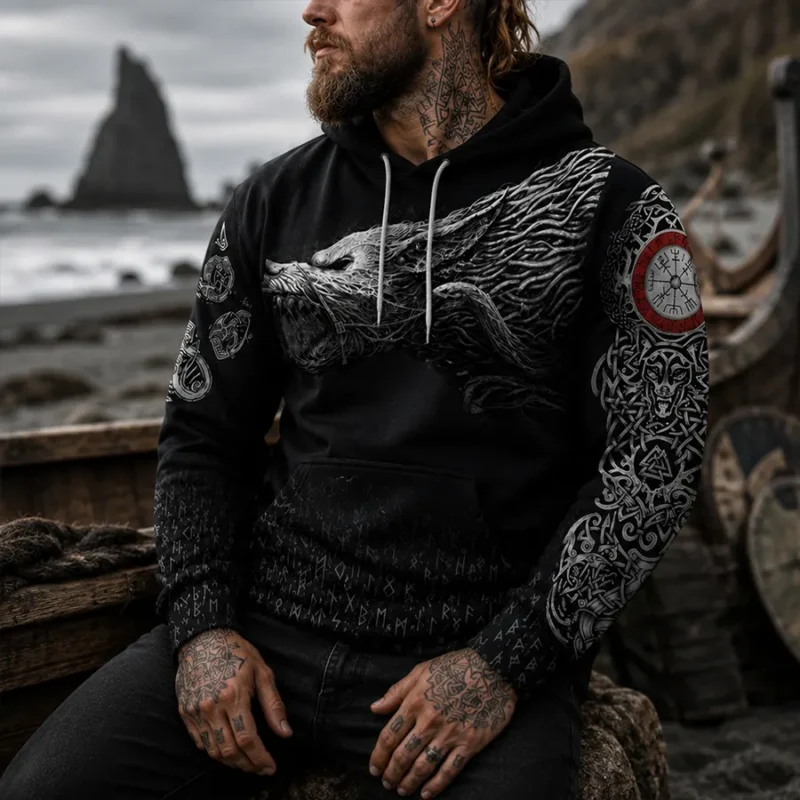
The fierce image of Fenrir surges across the design, capturing the untamed power and relentless spirit of the legendary wolf from Norse mythology. Intricate knotwork, ancient runes, and warrior-inspired symbols surround the artwork, reinforcing themes of strength, resilience, and destiny. In the Viking sagas, Fenrir was a force that could not be contained, embodying the courage to break free from limitations and confront even the greatest challenges. The dramatic black-and-white contrast gives the design a bold, commanding presence, making it a powerful tribute to those who refuse to be defined by fear and choose instead to forge their own path.
2. Jörmungandr – The World Serpent
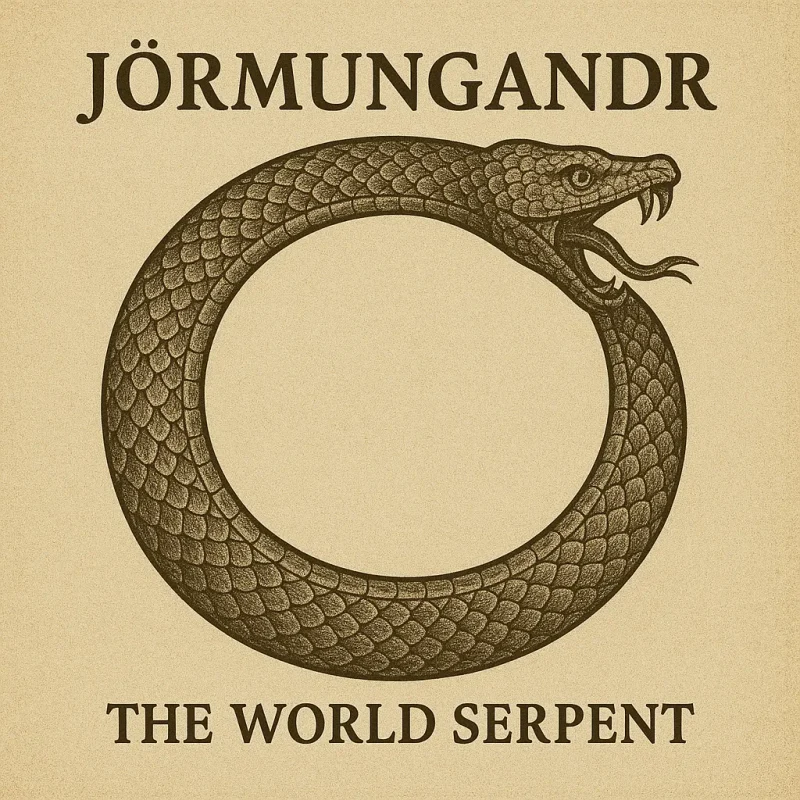
Jörmungandr, also known as the Midgard Serpent, is another child of Loki and a sibling of Fenrir.
- Legend: Odin cast this giant snake into the sea. It grew so big that it wrapped around the world, biting its own tail.
- Epic Battles: In Norse myth, Jörmungandr will fight Thor at Ragnarok. This battle leads to their mutual destruction.
- Symbolism: Jörmungandr represents the cycle of life and death. It also signifies eternity and the hidden threats beneath the world’s surface.
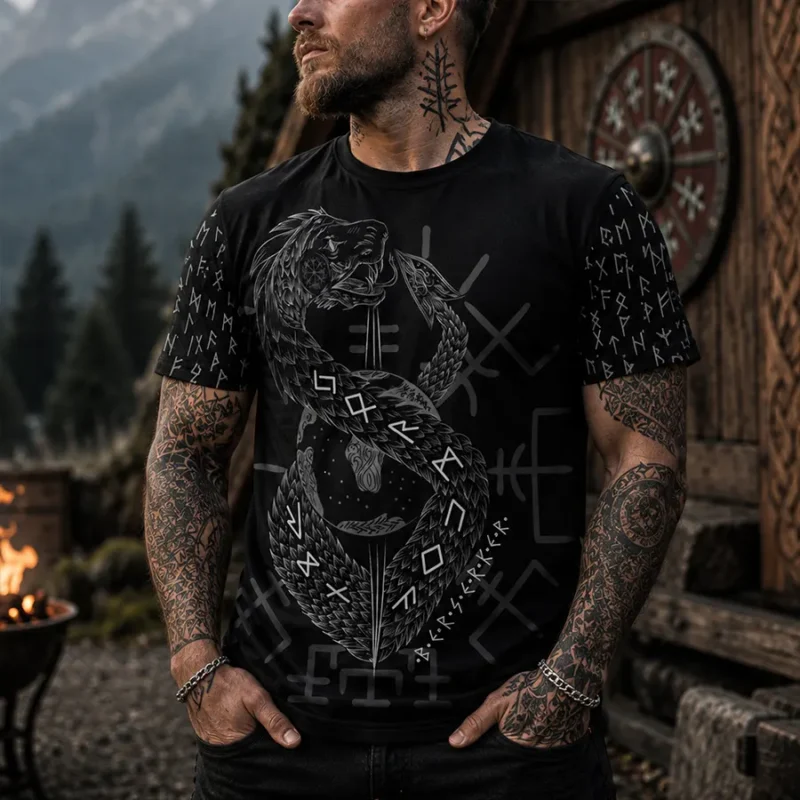
Inspired by Jormungandr, the legendary World Serpent of Norse mythology, this design embodies the immense forces of fate, power, and the eternal cycle of life. Coiled around a central blade and surrounded by ancient runes, the serpent represents both destruction and renewal, a reminder that every ending gives rise to a new beginning. The dark monochromatic artwork enhances the mysterious atmosphere of the design, while the runic inscriptions evoke the wisdom and spiritual traditions of the Viking age. Bold yet symbolic, this artwork speaks to those who embrace strength, resilience, and the courage to confront whatever destiny places before them.
3. Sleipnir – Odin’s Eight-Legged Horse
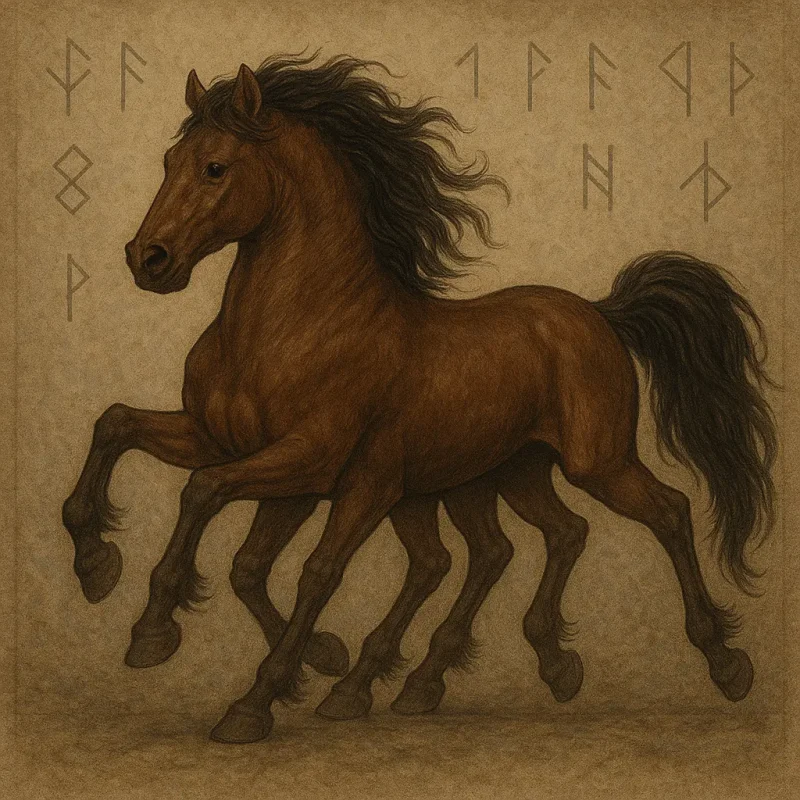
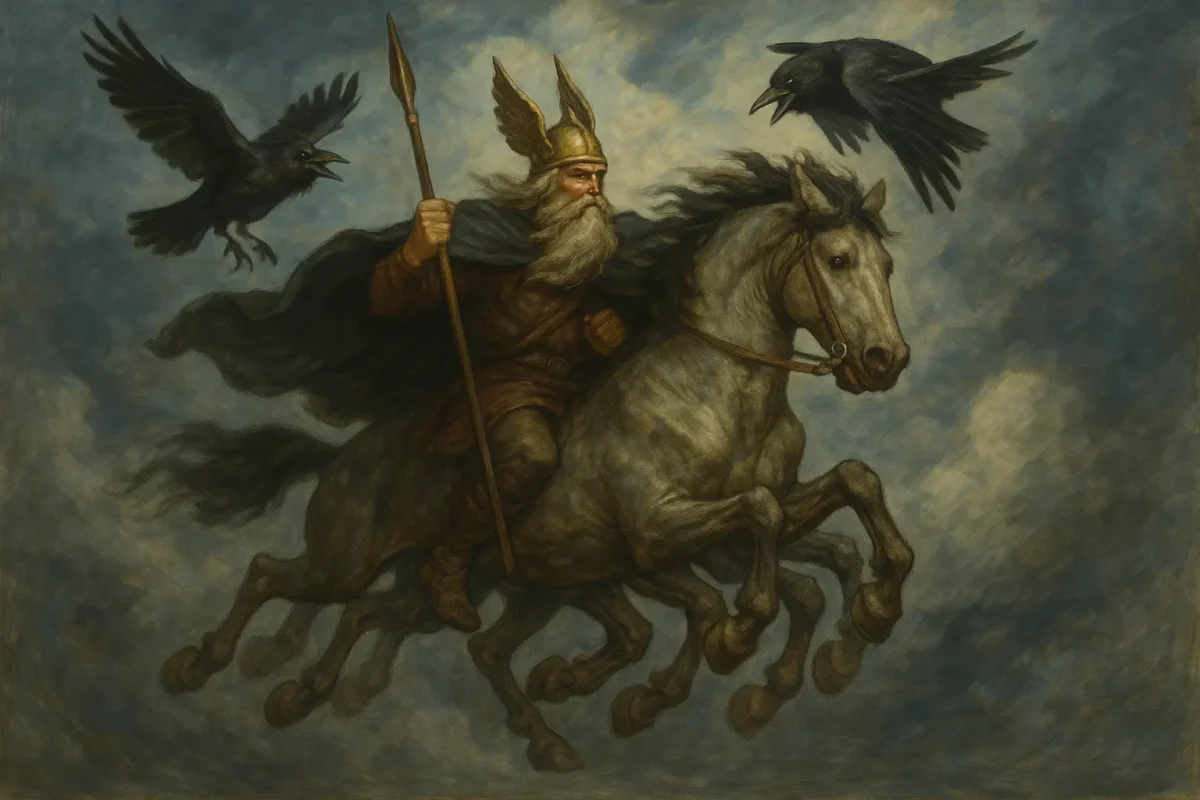
One of the more benevolent Viking mythical animals, Sleipnir is the magical horse ridden by Odin himself.
- Description: Sleipnir has eight legs, which give him unmatched speed and the ability to travel between worlds, from Asgard to the land of the dead.
- Origin: Sleipnir was born from Loki, who changed into a mare, and the stallion Svaðilfari. Sleipnir represents shamanic journeying and Odin’s control over realms.
- Symbolism: Sleipnir stands for strength, journey, and the link between spirit and body.
4. Huginn and Muninn – Odin’s Ravens
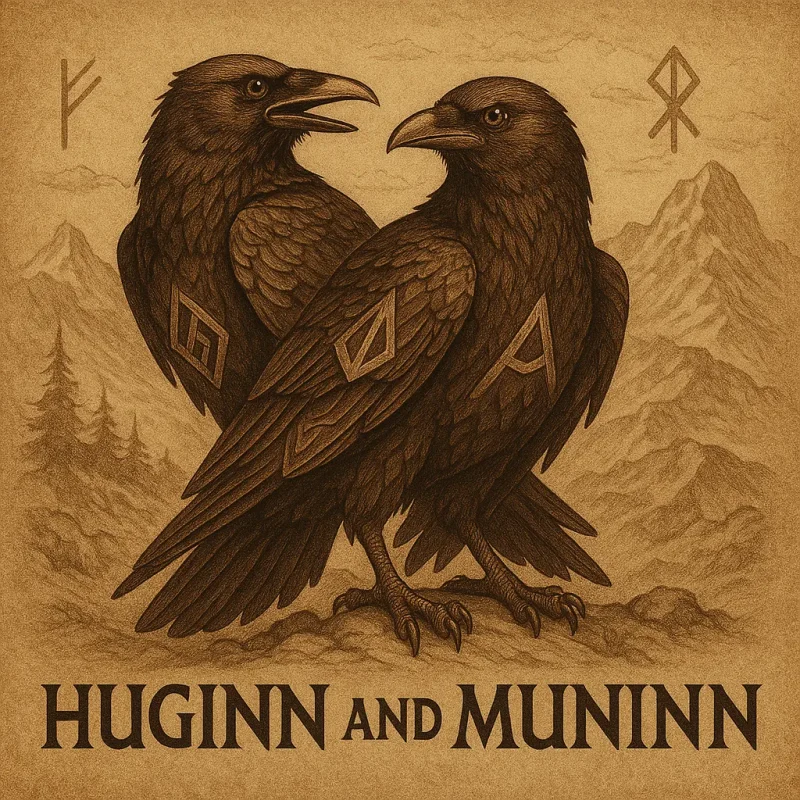
The Allfather Odin is rarely seen without his two ravens, Huginn (“Thought”) and Muninn (“Memory”).
- Role: Each day, these smart birds soar across the world. They collect information and share it with Odin, making him the wisest god.
- Huginn and Muninn: represent wisdom, watchfulness, and the quest for knowledge. The Vikings greatly valued these traits.
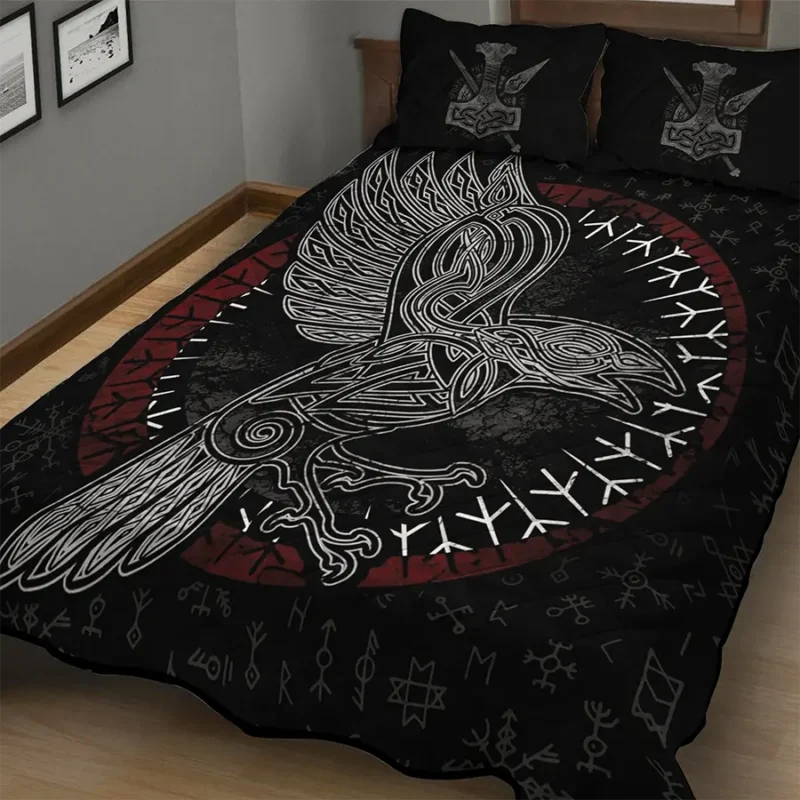
This artwork showcases a majestic raven rendered in intricate Celtic knotwork, blending two of the most recognizable elements of Norse tradition—ravens and runes. Often linked to Odin’s legendary messengers, the raven symbolizes wisdom, insight, and the ability to see beyond the ordinary. Encircled by ancient runic symbols, the design reflects the Viking belief that knowledge and guidance were among the greatest sources of strength. The bold black, white, and crimson palette creates a striking visual presence, while the flowing knot patterns evoke the timeless connection between fate, memory, and the enduring legacy of the Norse world.
5. Níðhöggr – The Corpse-Eating Dragon
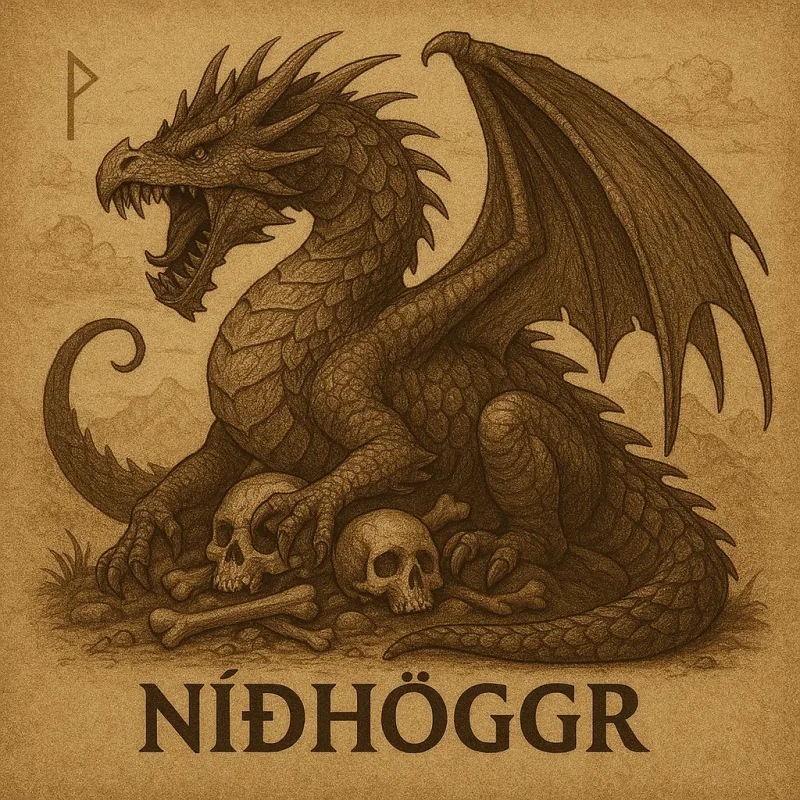
Deep beneath the roots of Yggdrasil, the World Tree, lives Níðhöggr, a terrifying dragon or serpent.
- Myth: Níðhöggr gnaws at the roots of the world tree, threatening its stability and feasting on the bodies of the dead.
- Role: In Norse cosmology, this dragon symbolizes decay and destruction. It embodies the dark forces that oppose order.
- Symbolism: Níðhöggr is a warning of the consequences of chaos and evil, yet it is also a necessary part of the cosmic cycle.
6. Ratatoskr – The Mischievous Squirrel
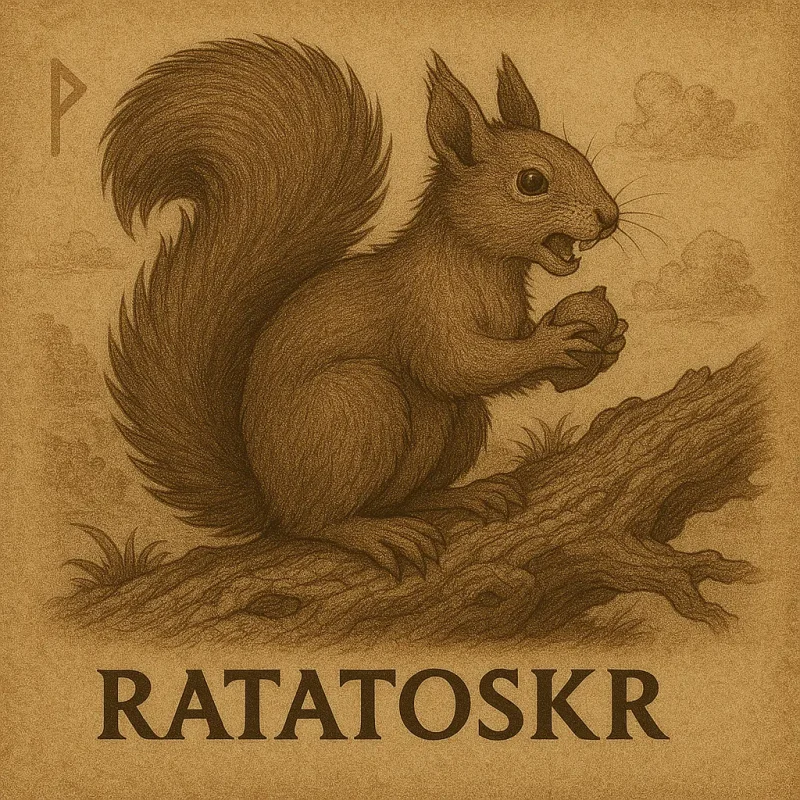
Though smaller than other Viking mythical animals, Ratatoskr is important in Norse mythology.
- Description: Ratatoskr is a squirrel. He runs up and down Yggdrasil. He carries messages and insults between Níðhöggr and the eagle at the top of the tree.
- Symbolism: Ratatoskr shows how gossip spreads, how we communicate, and how everything is connected.
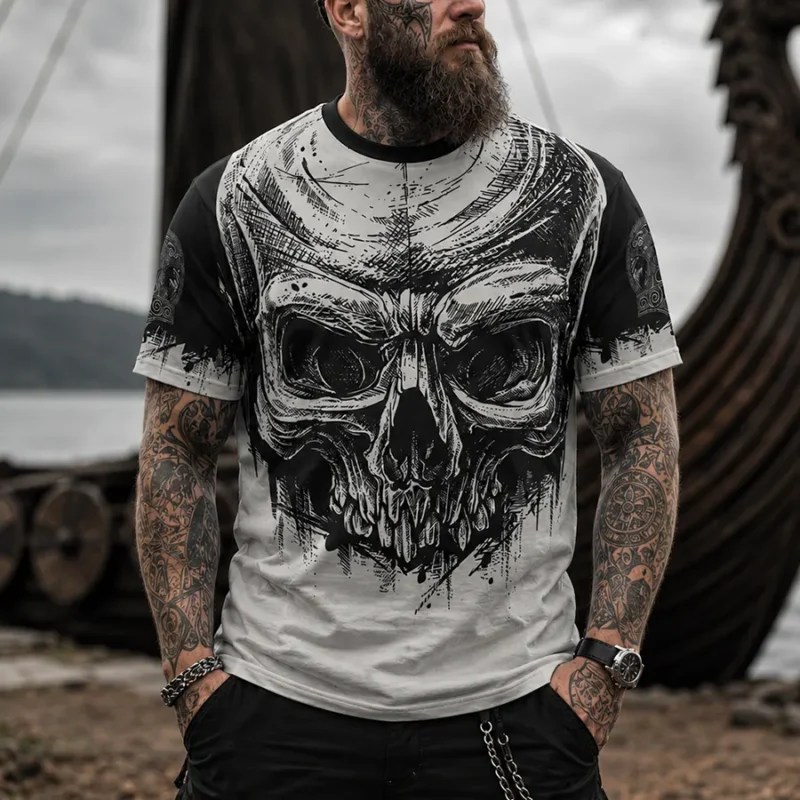
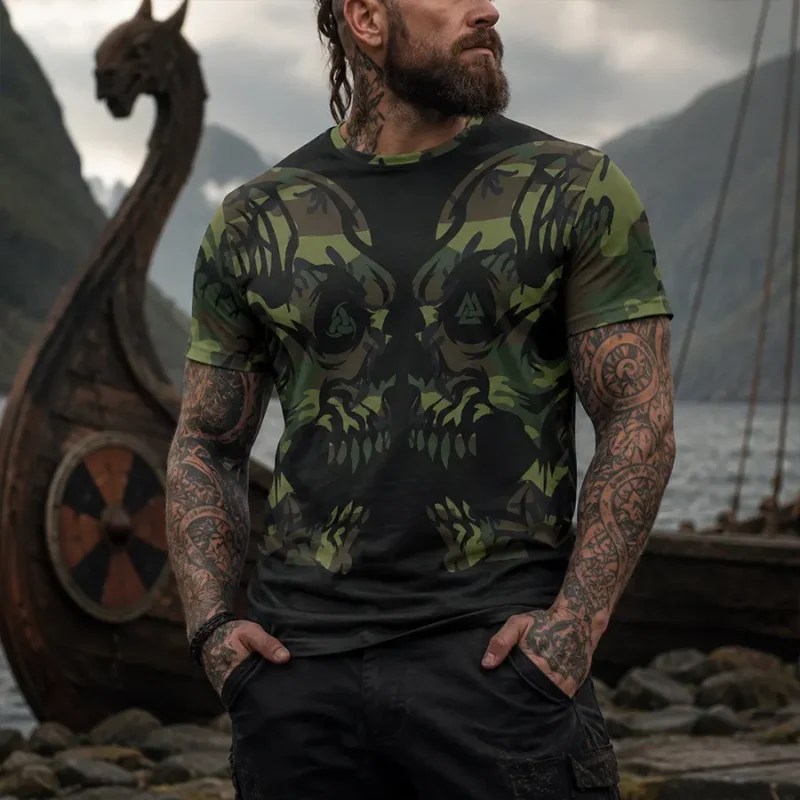

7. Garmr – The Hound of the Underworld
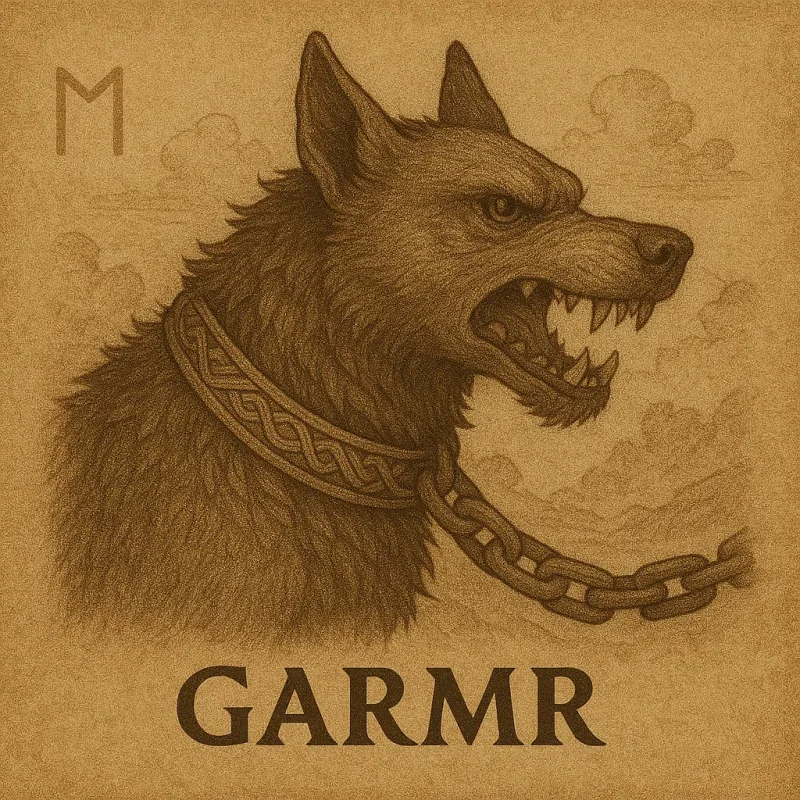
Garmr is a monstrous dog associated with Hel, the Norse realm of the dead.
- Role: Chained at the gates of Hel, Garmr will break free during Ragnarok to fight the gods.
- Mythological Parallel: He is often compared to Cerberus from Greek mythology.
- Symbolism: Garmr stands for death, guardianship, and the thin boundary between life and the afterlife.
The Influence of Viking Mythical Animals in Modern Culture
Viking mythical animals still inspire us today. Their stories influence fantasy novels, movies, tattoos, and video games. Fenrir, Jörmungandr, and Sleipnir often appear in popular culture as symbols of power and fate. Ravens and wolves often appear in Viking-inspired jewelry, art, and sports team mascots.
Many people find strength in these legendary creatures. Their stories show resilience, intelligence, and a link to Norse heritage.
Why Did Viking Mythical Animals Matter?
For the Vikings, these animals were not just stories. They were vital parts of how they saw the world. Each creature represented aspects of nature, the unknown, or inner human qualities. Mythical animals in sagas, poetry, and rune carvings helped the Vikings. They made sense of their world, dealt with hard times, and celebrated bravery.
Conclusion: The Enduring Power of Viking Mythical Animals
Viking mythical animals show the Norse people’s imagination and spirit. They include fierce wolves, giant serpents, wise ravens, and magical horses. Their legends still captivate us. They remind us of a time when animals and gods walked together. Back then, myths and reality blurred the lines between them. Learning about these creatures connects us to the ancient Norse spirit. This spirit embodies adventure, strength, and wonder. It still roams the world today.
Norse Mythology Creatures: 8 Legendary Beasts from Viking Lore
Viking sagas and legends are full of tales about gods, heroes, and epic battles. At the core of Norse belief are many amazing and fearsome Norse mythology creatures. These legendary beasts display nature’s strength. They reveal the cosmos’ secrets and the fight between order and chaos. Explore these eight incredible beings from Norse mythology that have captivated people for ages.