
Viking Blog
Viking Compass – 5 Powerful Meanings You Never Knew
Sep
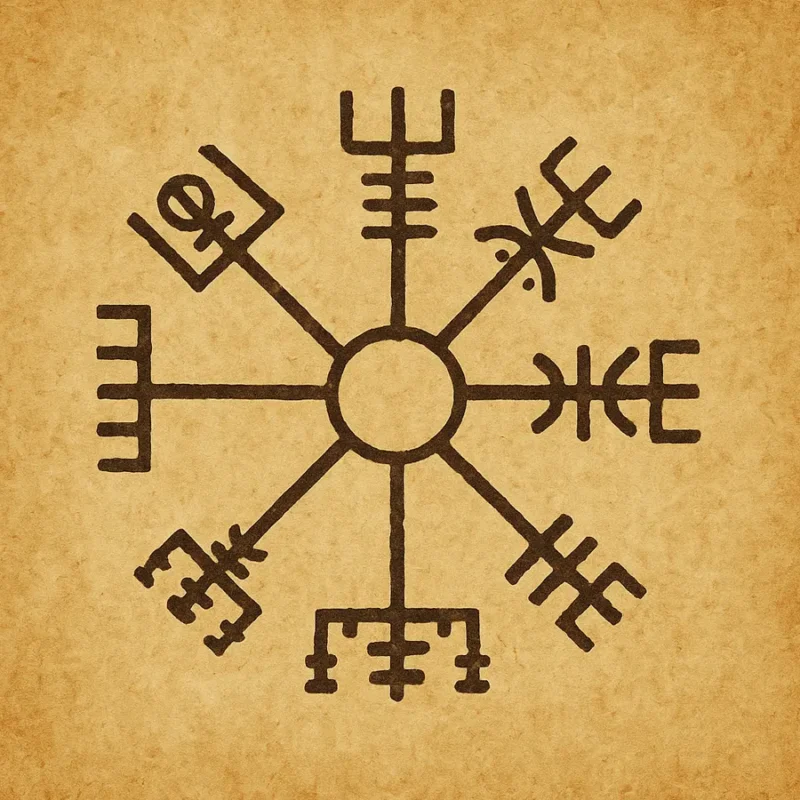
Few symbols from the Norse era spark the imagination like the Viking compass. The Vegvísir, known in Icelandic, is a mysterious symbol. Many believe it guides its bearer through storms, darkness, and uncertainty. While it’s now popular in tattoos, jewelry, and art, its roots go deep into Nordic tradition.
The Viking compass was not a design; it was a guide, a reminder of resilience, and a symbol of protection. Here are five powerful meanings you may not have known about this iconic emblem.
1. Guidance Through the Unknown
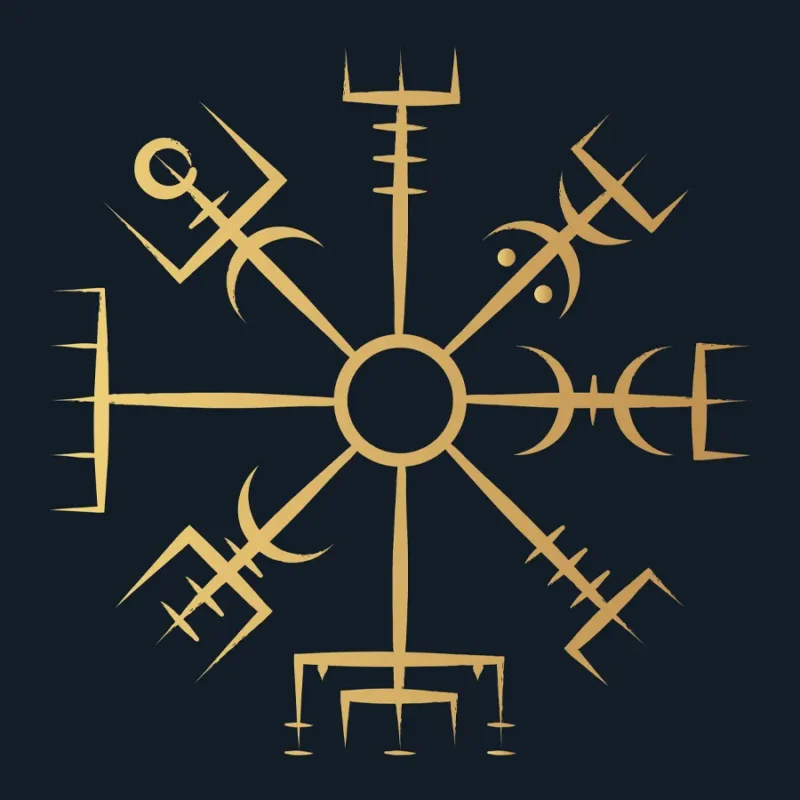
The most direct meaning of the Viking compass is guidance. In Old Norse, Vegvísir translates as “signpost” or “wayfinder.” Many believe it helps travelers and sailors navigate even when they hide the sun or stars.
For seafarers who braved the North Atlantic’s harsh weather, this was invaluable. The compass became a spiritual tool. It symbolized safe journeys and the courage to face the unknown.
2. Protection Against Getting Lost
Beyond literal navigation, the Viking compass carried a spiritual meaning: protection. To the Norse people, losing one’s way was not only a physical danger but also a metaphor for losing direction in life.
The artist drew the symbol to protect its bearer from confusion. It helped them find their way—whether at sea, in the woods, or through life’s challenges.
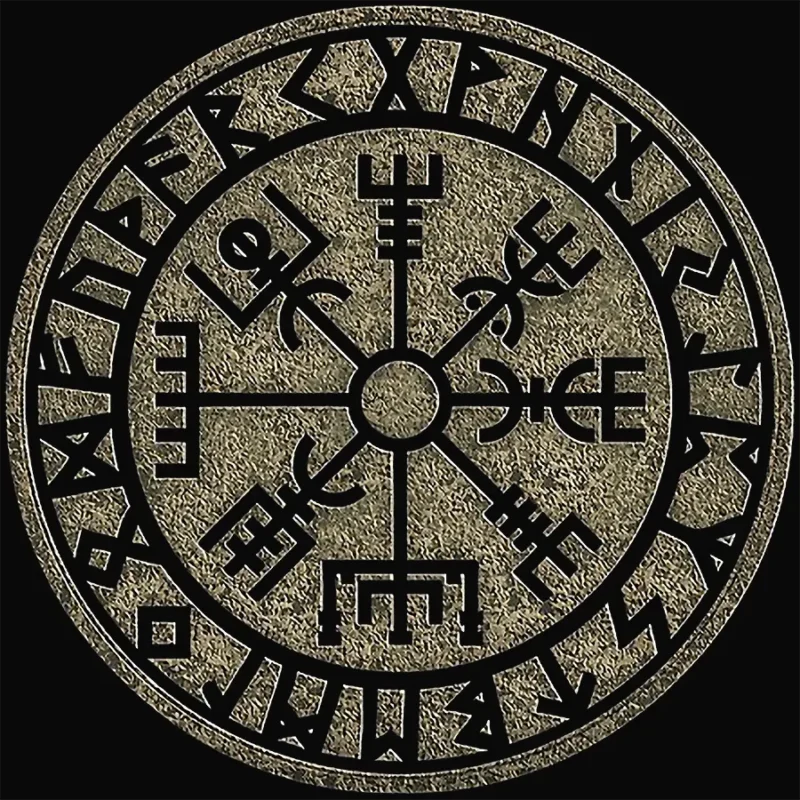
This design centers on the Vegvisir, the legendary Viking compass believed to guide travelers through storms, uncertainty, and unfamiliar paths. Encircled by ancient runes, the symbol reflects the Norse belief that wisdom and determination are essential companions on every journey. The golden artwork stands boldly against a dark, textured background, creating a timeless contrast that evokes both mystery and strength. Subtle Celtic-inspired patterns add depth to the composition, while wing-like details hint at spiritual guidance and protection. Rooted in the values of resilience, purpose, and self-discovery, the design serves as a reminder that even when the road ahead is unclear, those who remain true to their path can always find their way forward.

3. Strength in Adversity
The Vikings faced brutal winters, violent seas, and constant battles. The Viking compass came to represent inner strength and resilience. It reminded the bearer that even in the darkest times, one could find direction.
This meaning has carried forward into modern times. Many who wear or tattoo the Viking compass view it as a symbol of endurance. They believe it shows they can handle life’s storms.
4. Connection to Norse Magic and Runes
The Viking compass is often connected to seiðr, the magical ways of Norse shamans, and the runic alphabet. Its eight staves resemble runes, each pointing in a different direction.
This connection shows that the compass was more than just for travel. It also symbolized destiny and the unseen forces shaping our lives. For Vikings, symbols like these acted as bridges between the human and the divine.
5. A Modern Symbol of Identity
In today’s world, the Viking compass has taken on new life. Many view it as a symbol of cultural pride. This is especially true for those with Scandinavian roots. Others adopt it as a personal emblem of guidance, strength, and protection.
The compass is a well-known Norse symbol. You can find it in jewelry, on banners, or as tattoos. Viking culture still inspires many people looking for meaning and direction.





Why the Viking Compass Still Matters
Symbols survive because they carry timeless truths. The Viking compass shows us that life’s journey is unpredictable, yet we can find guidance. For the Norse, it was a mystical protection against losing their way. For us, it can be a reminder to stay true to our path in times of chaos.
Its presence in myths and history shows how strong imagery lasts. This endurance goes on long after the civilizations that made it have gone.
Conclusion – The Legacy of the Viking Compass
The Viking compass does more than guide sailors through storms. It offers spiritual protection, too. It stands as a symbol of resilience and clarity. Its meanings, rooted in Norse tradition, still inspire us today.
People view the Viking compass in different ways. Some see it as a mystical tool. Others see it as a cultural symbol. For many, it serves as a personal reminder of strength. It always shows the way forward. Like it once helped Norsemen tackle the unknown, it now guides us through today’s challenges.

Norse Compass: 7 Fascinating Facts About the Viking Vegvísir
People know the Vikings for their bold trips over rough seas and unknown lands. But how did these ancient mariners navigate such treacherous waters? The Norse Compass, or Vegvísir, is a key symbol of Norse heritage. It serves as a practical guide and a mystical emblem. Legends, mysteries, and cultural meanings fill the story of the Vegvísir. Here are seven intriguing facts about the Norse Compass. This symbol still captures our imagination today.