Viking Blog
Vikings Helmet: Mystery or Myth?
Jan
A fierce Viking warrior, axe in hand, wears a horned helmet. He is a lasting symbol of Norse culture. But how much of this picture do historical facts support? The tale of the Vikings Helmet is a fascinating journey. It goes through myth, misconception, and modern misrepresentation.



The Horned Vikings Helmet: A Creation of Fantasy
The horned Viking helmet is the most famous symbol of these warriors. Yet, this dramatic image owes more to creative storytelling than to archaeological evidence.
Horned helmets, from Wagnerian operas to Hollywood blockbusters, now represent Vikings. Yet, no credible evidence supports that Viking warriors wore such helmets in battle.
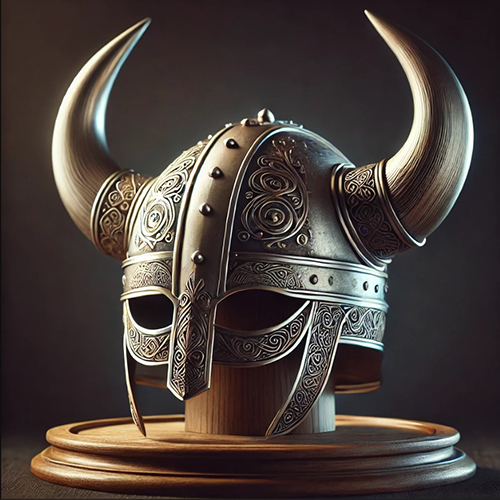
So, where did this image originate? Historians trace its roots to 19th-century Scandinavia. There, artists and costume designers used Viking imagery to enhance theatrical drama. Wagner’s Ring Cycle operas popularized the horned Vikings helmet. This fanciful image is now in the collective consciousness. Although it appears attractive, this invention has a significant distinction from historical reality.
What Did Vikings Helmets Really Look Like?
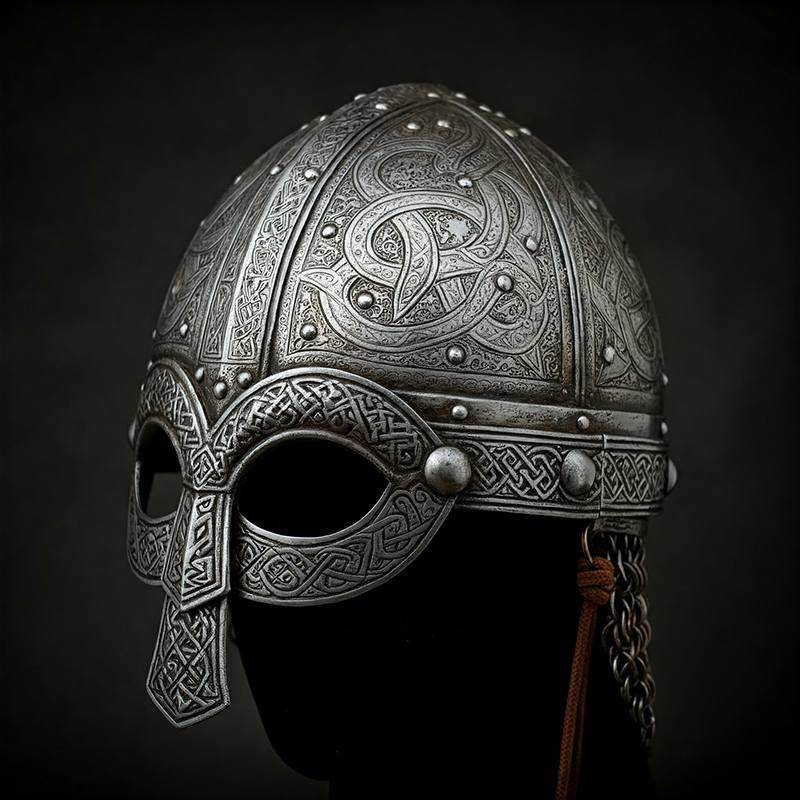
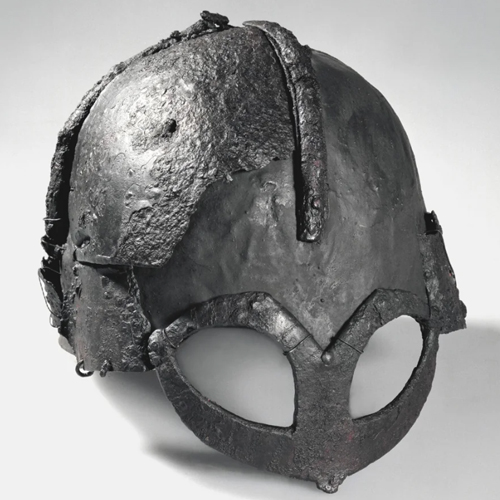
To uncover the truth, we turn to archaeological discoveries. The most notable example is the Gjermundbu helmet, unearthed in Norway in 1943. This 10th-century artifact proves the Vikings’ practicality. It’s a simple iron cap with a nose guard. They made it for protection, not style. No horns. No elaborate embellishments.
This emphasis on functionality was a hallmark of Viking warfare. From chainmail to iron-reinforced wooden shields, their equipment prioritized mobility and defense. Horns on a helmet would have been a hindrance. So, commanders were unlikely to use them in battle.
The Symbolic Power of Horns
Vikings didn’t wear horned helmets. But horns were important in their culture. They adorned ceremonial objects, drinking vessels, and religious icons. They often symbolized power, fertility, or a divine connection.
Horned helmets existed in Europe long before the Viking era, which is a surprising fact. Archaeologists have found Bronze Age ceremonial helmets, decorated with horns, across the continent. They were likely used in rituals, not combat. This supports the idea that horns were more symbolic than practical.
Some scholars speculate that the horned helmet imagery may stem from Norse mythology. Thor and Odin were often shown with horns or animal traits. This blended myth with reality in the public imagination over time.
The Persistence of the Myth
Why does the myth of the horned helmet endure? The answer lies in its visual appeal. It identifies the Vikings at once, imbuing them with a sense of mystique and drama.
In the 19th and early 20th centuries, Scandinavian nationalists liked Viking imagery. They especially liked the horned helmet. It symbolized strength and cultural pride. Artists and writers popularized a romanticized view. It then entered early Hollywood films, further entrenching it in popular culture.
The Real Viking Mystery
While the horned helmet is a myth, the true intrigue lies in the lives of the Vikings themselves. Who were they? How did they navigate, trade, and conquer?
Vikings were not raiders. They were also skilled sailors, traders, and settlers. Their voyages reached North America, the Middle East, and Central Asia. They left traces of their influence in those distant lands. They unmatched their shipbuilding and weaponry. Their laws and assemblies showed a complex, organized culture.
Recent DNA studies have further debunked stereotypes. They show that Viking society had greater ethnic diversity than previously thought. It had connections beyond Scandinavia.
Unraveling Fact from Fiction
Distinguishing truth from fiction about the Vikings is an ongoing endeavor. Archaeological finds, like burial sites and trading hubs, shed light on their lives. The Icelandic sagas, though embellished, show their values and beliefs.
Modern research challenges old stories. It brings us closer to the truth of Viking history.
The Power of Myth
The myth of the horned helmet shows how myths and history mix to create captivating stories. It’s important to correct misconceptions. But myths like this spark curiosity and imagination.
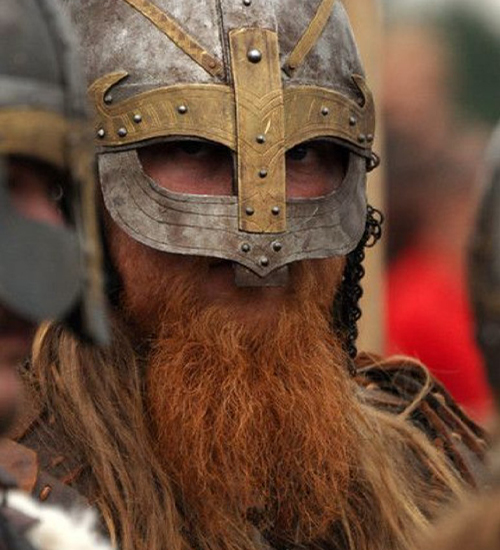
Next time you see a Viking helmet with horns, remember: it’s not a relic of the past. It’s a symbol of how storytelling shapes our view of history. And that’s the Vikings’ greatest legacy. They were not warriors or settlers. They are a source of endless fascination and mystery.